
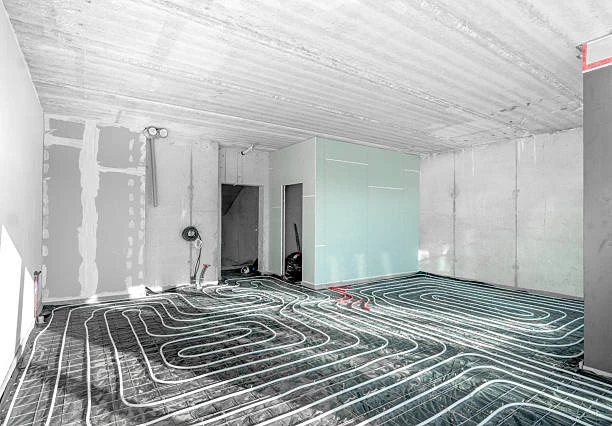
Introduction to Radiant Comfort
PEX floor heating systems represent a pinnacle of modern home comfort, providing a gentle, even warmth that rises from the floor. This technology transforms entire floors into efficient, silent radiators. The magic, however, lies not just in the concept but in the sophisticated manufacturing process of the PEX tubing itself. Understanding how manufacturers create these durable and flexible pipes gives us real insight into the system’s reliability and performance. This article takes a detailed journey through the entire production process, from raw material to the final coiled product.
The Raw Material: Understanding PEX
The story of PEX tubing begins with polyethylene, a common plastic. Manufacturers use a special grade, high-density polyethylene (HDPE), in the form of small pellets. The key differentiator for PEX is the cross-linking process. This process fundamentally alters the molecular structure of the polyethylene. It creates strong bonds between the individual polymer chains. This transformation turns a soft, thermoplastic material into a thermoset polymer with superior properties. The cross-linking gives PEX its exceptional strength, temperature resistance, and memory, which allows it to return to its original shape after being stretched.
The Cross-Linking Methods: PEX-a, PEX-b, and PEX-c
Manufacturers primarily use three different methods to achieve cross-linking, leading to the common classifications of PEX-a, PEX-b, and PEX-c. The PEX-a method, or the Engel method, involves peroxide cross-linking. This process happens during the extrusion phase. It results in the highest degree of cross-linking, around 85%, giving PEX-a superior flexibility and the strongest shape memory. The PEX-b method uses silane cross-linking. In this case, the cross-linking occurs after the tube is extruded, in a secondary curing process using hot water or steam. PEX-c is created through an electron beam cross-linking method. Here, the formed tube passes through a radiation chamber that initiates the molecular bonding. Each method has distinct advantages concerning flexibility, cost, and suitability for different applications.
The Extrusion Process: Shaping the Tube
The heart of the manufacturing line is the extrusion process. Operators feed the HDPE pellets from a hopper into the barrel of an extruder machine. A rotating screw transports the pellets forward through heated zones. This action gradually melts the plastic into a viscous, molten state. The molten plastic then forces its way through a die head. This die head is a critical tool that precisely shapes the plastic into a tube. The design of the die determines the tube’s outer diameter and wall thickness. As the continuous tube emerges from the die, it immediately begins to cool and solidify.
Precision Control of Dimensions
Maintaining exact dimensions is absolutely critical for the performance of the heating system. Even a slight variation in the outer diameter or wall thickness can cause problems during installation. It can affect the connection with fittings and potentially lead to leaks. To prevent this, manufacturers use laser gauges and ultrasonic sensors on the production line. These devices continuously monitor the tube’s diameter and wall thickness as it moves. The system provides real-time feedback to the extruder, making micro-adjustments to the screw speed or puller speed. This ensures every millimeter of the tube meets the strictest tolerances.
Cooling and Sizing the Tubing
After the tube exits the die, it is still very hot and pliable. It must be cooled down in a controlled manner to retain its perfect cylindrical shape. The tube enters a long cooling tank, or vacuum sizing tank, filled with water. Inside this tank, a gentle vacuum application ensures the tube maintains its perfect round shape while it cools. The water temperature and the length of the cooling tank are carefully calibrated. This controlled cooling prevents internal stresses from forming within the plastic, which could lead to warping or weakness later on.
The Importance of Oxygen Barrier Layers
Many modern PEX floor heating systems use a special type of tube with an oxygen diffusion barrier. Oxygen permeating through the tube walls can enter the water circuit. This oxygen then causes corrosion in the metallic components of the boiler, pumps, and other system parts. To prevent this, manufacturers co-extrude an extra layer of a polymer like EVOH (ethylene vinyl alcohol) between the inner and outer PEX layers. This EVOH layer acts as a highly effective barrier, protecting the entire heating system from oxidative damage and significantly extending its lifespan.
Continuous Testing for Quality Assurance
Quality assurance is an integral part of the manufacturing process, not just a final check. The production line includes several continuous testing stations. One common test is the spark tester, which applies a high voltage to the tube surface. If any pinholes or thin spots exist, the spark will jump, and the system will flag that section of the tube for rejection. Another critical test is the pressure test. The tube undergoes a constant internal pressure check to ensure it can hold the required pressure without any deformation or leakage.
Printing and Coiling the Final Product
Once the tube passes all quality checks, a printer applies permanent markings along its length. These markings typically include the manufacturer’s name, the tube standard (like PEX-a, PEX-b, or PEX-c), the size, and the pressure rating. This information is essential for installers. Finally, an automated coiling machine winds the continuous tube into large, neat coils. These coils are easy to handle, transport, and unroll on a job site. The coiling process is also gentle to avoid kinking or damaging the tube.
Conclusion: Engineering Comfort and Reliability
The manufacturing of PEX floor heating tubing is a remarkable blend of advanced polymer science and precision engineering. Every step, from selecting raw materials to the final coiling, focuses on creating a product that is durable, safe, and efficient. The rigorous cross-linking and continuous quality control ensure that when the tube gets installed under a floor, it will provide a lifetime of reliable comfort. This meticulous attention to detail in the factory is what allows homeowners to simply enjoy the warmth under their feet.
IFAN’s international standards
IFAN products comply with multiple international standards, including BS 3505, BS 4346, ASTM D1785 SCH40, ASTM D1785 SCH80, DIN, GB, DWV, ASTM D2665, ASTM D2241, ASTM D2729, ASTM F441/F441M, ISO 1452 Series standards, EN ISO 1452, DIN 8061/8062, GB/T 10002 Series standards, AS/NZS 1477, JIS K6741, CSA B137.3, NSF/ANSI 14, TIS 17-2532/1131-2535, among others. These certifications ensure that IFAN piping systems meet global requirements for safety, durability, and performance.
Contact
IFAN is a professional manufacturer with 30 years of experience, dedicated to producing high-quality plastic pipes, fittings, and valves. Our products include brass valves, PPR valves, as well as various pipes and fittings to meet different customer needs. Whether you need plumbing and drainage pipes or valve products. IFAN can provide a diverse range of high-quality, cost-effective products to support your projects. Below is our contact information.
We will reply your email or fax within 24 hours.
You can call us at any time if there is any question on our production.
Pls Mailto:[email protected]







Recent Comments