
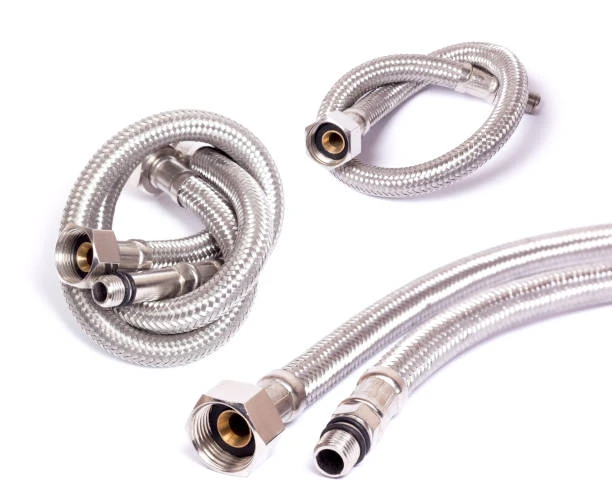
When selecting components for fluid transfer systems, environmental compatibility is a key consideration. Stainless steel braided hoses are not only known for their strength and flexibility but also for their exceptional performance across a wide range of environmental conditions. From high-humidity climates to chemically aggressive industrial zones, these hoses maintain functionality, safety, and durability. This article explores how stainless steel braided hoses adapt to environmental factors, helping users make informed decisions based on climate, application setting, and exposure conditions.
FAQ: Environmental Considerations for Stainless Steel Braided Hoses
1. Can stainless steel braided hoses be used outdoors?
Yes, their corrosion-resistant properties make them ideal for outdoor installations exposed to rain, UV light, and temperature fluctuations.
2. Do these hoses withstand high humidity or coastal environments?
Absolutely. High-grade stainless steel, such as 316, resists rust and corrosion, even in salty or humid coastal areas.
3. What temperatures can these hoses handle?
They can function in a wide temperature range, typically from -40°C to 120°C for standard hoses, and even higher for PTFE-core hoses.
4. Are stainless steel braided hoses safe for chemical environments?
Yes, especially when the inner tube is made of PTFE. The stainless steel braid provides external protection against abrasion and splashes.
5. Do extreme environments reduce their lifespan?
With proper installation and correct material selection, they maintain a long service life even in harsh environments, often lasting 8–15 years or more.
Basic Definition and Environmental Features
Stainless steel braided hoses are flexible connection lines designed to handle fluid or gas transfer under pressure. The hose consists of an inner tube—made of materials such as EPDM, NBR, or PTFE—surrounded by a tightly woven stainless steel wire braid. This design offers flexibility and strength while protecting the inner core from external damage.
Environmentally focused features include:
- Corrosion resistance: Resists rust in wet, humid, or salty environments.
- Temperature stability: Handles both extreme cold and heat without cracking or degrading.
- UV protection: Stainless steel braid shields the inner hose from sun damage.
- Chemical resistance: Especially with PTFE cores, suitable for harsh industrial zones.
- Mechanical durability: Withstands physical impacts, vibrations, and abrasion.
These characteristics make stainless steel braided hoses ideal for both controlled indoor and unpredictable outdoor environments.
Common Uses and Environmental Applications
Thanks to their adaptability, stainless steel braided hoses are used in settings where environmental resilience is crucial.
Residential and outdoor applications:
- Garden water systems exposed to UV and rain
- Water heaters and boilers in humid basements
- Solar hot water systems
Industrial and environmental zones:
- Chemical plants with vapor, oil, or acid exposure
- Mining sites with dust, debris, and temperature shifts
- Marine installations subject to salt spray and humidity
Agricultural and remote systems:
- Irrigation lines in fields and greenhouses
- Mobile water tanks exposed to weather
- Livestock water systems in cold or wet barns
Commercial infrastructure:
- HVAC systems exposed to rooftop conditions
- Outdoor air compressor lines
- Washing stations in open-air settings
In each case, the hose’s environmental resistance reduces failures and the need for frequent replacements.
Buying Guide: How to Choose Hoses for Environmental Conditions
To ensure durability and performance, select hoses specifically rated for the conditions of your installation site.
1. Inner Tube Material
- EPDM: Ideal for hot and cold water in general outdoor use
- PTFE: Excellent for chemical resistance and extreme heat or cold
- NBR: Suitable for oil or fuel environments, especially in garages or workshops
2. Braid Material
- 304 Stainless Steel: Great for general weather exposure
- 316 Stainless Steel: Best for marine, coastal, or chemically active areas due to higher molybdenum content for corrosion resistance
3. Hose Length and Flexibility
Always allow slack for temperature-driven expansion and avoid sharp bends that can be exaggerated in cold environments.
4. Fittings and Seals
Select fittings made from brass or stainless steel for outdoor or industrial use. Ensure the seals are resistant to temperature changes and moisture.
5. Certifications and Standards
Choose hoses that comply with:
- NSF/WRAS: For potable water use
- ISO 10380: For metal hose mechanical and environmental testing
- EN 13618: For sanitary use in exposed settings
- ISO 9001: Quality system certification
6. Visual Indicators and Protection
Some hoses come with color-coded sleeves or PVC coatings for added UV protection and easier identification.
Installation Tips in Challenging Environments
Proper installation is critical to environmental performance. Here are guidelines for maximizing service life:
- Avoid full sunlight exposure: If possible, shield hoses or use UV-resistant outer coatings.
- Don’t over-tighten fittings: Temperature shifts can cause material expansion—allow some tolerance.
- Use brackets or supports: In windy or vibrating outdoor setups, secure the hose to prevent fatigue.
- Install at the right time: In very cold climates, allow hoses to warm slightly to avoid cracking inner layers during bending.
- Inspect seasonally: Look for signs of rust, stiffening, or cracks in seals, especially after extreme weather.
With these steps, you maintain environmental protection and prevent early deterioration.
Comparison Table: Environmental Performance vs. Other Hose Types
| Feature | Stainless Steel Braided Hose | Rubber Hose | PVC Hose | Reinforced Vinyl Hose |
|---|---|---|---|---|
| UV Resistance | Excellent | Poor | Moderate | Moderate |
| Corrosion Resistance | High | Low | Low | Low |
| Temperature Range | Wide | Limited | Limited | Moderate |
| Moisture Resistance | Excellent | Moderate | Good | Moderate |
| Suitable for Coastal Areas | Yes | No | No | Limited |
| Withstands Chemical Exposure | Yes (with PTFE core) | Limited | Poor | Limited |
| Lifespan in Outdoor Settings | 8–15 years | 1–3 years | 1–2 years | 2–4 years |
The table clearly shows that stainless steel braided hoses outperform other hose types when environmental resilience is required.
Final Thoughts
Choosing the right hose for your environment is not just about performance—it’s about safety, durability, and reliability over time. Stainless steel braided hoses offer unmatched adaptability across climates, industries, and applications. Whether installed under a kitchen sink, along a rooftop chiller, or in a coastal chemical plant, these hoses resist corrosion, heat, cold, and sun while continuing to perform under pressure.
Investing in the right hose from the beginning means fewer replacements, less maintenance, and lower environmental impact from waste or leaks.
IFAN Standards: Quality Built for the Environment
IFAN stainless steel braided hoses are manufactured to meet international standards and perform reliably in harsh environments. We use advanced testing to ensure that our products are ready for real-world conditions.
IFAN stainless steel braided hoses are:
- ISO 10380 compliant, tested for environmental fatigue, vibration, and thermal cycling
- ISO 9001 certified, ensuring every production step meets strict quality control
- WRAS and NSF certified, safe for potable water in outdoor and coastal systems
- Built with 304 or 316 stainless steel, offering tailored corrosion resistance
- Tested for salt spray resistance, especially for marine and humid zones
With IFAN, environmental performance is not just a feature—it’s a promise. We help clients build safe, long-lasting systems that work in any condition.
Would you like this article prepared as a product sheet, landing page, or translated into another language for export use? Let me know how you’d like to proceed.
IFAN Quality Standards for Stainless Steel Braided Hoses
IFAN maintains a strong commitment to quality in every braided hose we manufacture. Our production processes meet international standards and follow strict quality control protocols.
Our quality promise includes:
- ISO 10380 compliance for corrugated metal hose testing
- ISO 9001 certification for quality management
- EN 13618 adherence for sanitary applications
- NSF and WRAS approvals for safe drinking water use
- In-house testing for pressure, leak resistance, and durability
At IFAN, we believe that hose quality is about trust—trust in performance, trust in safety, and trust in long-term satisfaction.
Contact
IFAN is a professional manufacturer with 30 years of experience, dedicated to producing high-quality plastic pipes, fittings, and valves. Our products include brass valves, PPR valves, as well as various pipes and fittings to meet different customer needs. Whether you need plumbing and drainage pipes or valve products. IFAN can provide a diverse range of high-quality, cost-effective products to support your projects. Below is our contact information.
We will reply your email or fax within 24 hours.
You can call us at any time if there is any question on our production.
Pls Mailto:[email protected]



Recent Comments