
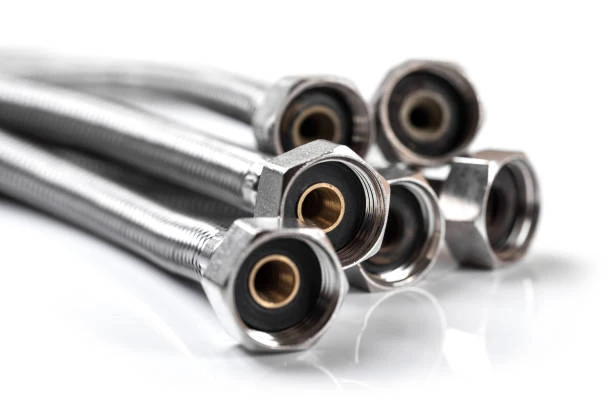
When it comes to fluid and gas transportation, product quality directly impacts safety, durability, and performance. Among the many types of hoses available, stainless steel braided hoses stand out for their exceptional build quality and reliability. Engineered for strength, flexibility, and resistance to external stress, these hoses are trusted by professionals and homeowners alike. In this article, we explore what makes stainless steel braided hoses a high-quality choice, covering their features, usage, installation, and how they compare with other hose types.
FAQ: Common Questions About Stainless Steel Braided Hose Quality
1. What makes stainless steel braided hoses high-quality?
Quality hoses use premium materials like 304 or 316 stainless steel and durable inner tubes such as EPDM or PTFE. They also meet international safety and performance certifications.
2. How can I recognize a poor-quality braided hose?
Signs include thin or uneven braiding, low-grade stainless steel, unmarked fittings, no certification labels, or a strong chemical smell from the inner tube.
3. Do quality hoses really last longer?
Yes. High-quality stainless steel braided hoses resist corrosion, pressure bursts, and wear, often lasting over 10 years with proper use.
4. Are expensive hoses always better?
Not necessarily. The key is not price but verified certifications, proper material choice, and a trustworthy manufacturer. Affordable, high-quality options do exist.
5. Can poor hose quality lead to damage or accidents?
Absolutely. A burst or leaky hose caused by substandard materials can lead to water damage, system failure, or even safety risks in industrial settings.
What Are Stainless Steel Braided Hoses?
Stainless steel braided hoses are flexible tubes reinforced with a braided sheath of stainless steel wire. The core tube, usually made from EPDM, PTFE, or synthetic rubber, handles the media flow. The braided exterior provides mechanical strength and protects against pressure spikes, physical abrasion, and chemical corrosion.
Key quality-focused features include:
- Durable materials: Stainless steel braid resists rust and wear
- Pressure resilience: Prevents bursting under heavy loads
- Thermal stability: Handles extreme heat and cold
- Flexibility: Easily bends around corners without kinking
- Reliable fittings: Leak-proof connectors made from brass or stainless steel
These qualities ensure the hose performs consistently, even in demanding environments.
Where Quality Hoses Are Most Needed
Stainless steel braided hoses are widely used in areas where performance and reliability are critical.
Residential installations:
- Hot and cold water supply to faucets and appliances
- Washing machine and dishwasher connections
- Toilet and water heater hookups
Industrial applications:
- Compressed air systems
- Hydraulic and chemical lines
- Steam transfer systems
Commercial environments:
- HVAC systems and refrigeration
- Food-grade applications (clean-in-place systems)
- Commercial kitchens and laundries
Automotive and transport:
- Brake and fuel lines
- Engine cooling systems
- Hydraulic clutches
In each case, quality hoses reduce the risk of leaks, equipment damage, and unscheduled maintenance.
Buying Guide: How to Identify and Choose a Quality Hose
Selecting a high-quality stainless steel braided hose requires more than picking the cheapest or most expensive option. Focus on these key factors:
1. Inner tube material
- EPDM: Excellent for water systems and steam
- PTFE: Best for chemicals and high-temperature fluids
- NBR: Ideal for fuel, oil, and gas lines
2. Braid grade and structure
- Choose 304 stainless steel for general applications
- Select 316 stainless steel for marine, food-grade, or corrosive settings
- Look for tight, even, multi-layer braiding, which indicates higher pressure tolerance
3. Hose size and length
- Use the correct internal diameter to match flow requirements
- Allow for gentle bends; don’t force the hose to stretch
4. End fittings
- High-quality hoses feature stainless steel or brass ends
- Thread types must match your system (BSP, NPT, compression, etc.)
- Look for fittings that include sealing washers or O-rings
5. Certifications
Trustworthy hoses will have:
- NSF or WRAS approval for potable water
- EN 13618 compliance for sanitary fittings
- ISO 10380 for performance-tested braided metal hoses
- ISO 9001 manufacturing processes
6. Branding and traceability
Well-made hoses often have batch codes or brand marks that indicate traceability and quality control.
Installation Tips to Maintain Quality Performance
Even the best stainless steel braided hose can fail if installed incorrectly. Follow these tips to preserve its quality and function:
- Avoid tight bends: Keep a bend radius of at least 4x the hose diameter
- Prevent twisting: Twisting weakens the braid and can reduce hose life
- Support where needed: Use brackets or clips if the hose hangs or vibrates
- Hand tighten first: Then use a wrench as needed—do not over-tighten
- Inspect before and after: Check for surface defects, cracks, or frays before installation and leaks after
Well-installed hoses maintain their quality and last significantly longer.
Comparison Table: Quality Evaluation Across Hose Types
| Feature | Stainless Steel Braided Hose | Rubber Hose | PVC Hose | Nylon Braided Hose |
|---|---|---|---|---|
| Material Quality | Excellent | Moderate | Low | Moderate |
| Pressure Resistance | High | Medium | Low | Medium |
| Temperature Tolerance | Wide Range | Limited | Narrow | Moderate |
| Corrosion Resistance | Excellent | Poor | Poor | Fair |
| Lifespan | 8–15 years | 2–5 years | 1–3 years | 3–6 years |
| Maintenance Frequency | Low | High | High | Moderate |
| Application Reliability | Consistent | Variable | Inconsistent | Moderate |
| Cost vs. Quality Ratio | High | Low | Low | Medium |
For buyers prioritizing quality and long-term performance, stainless steel braided hoses offer a superior return on investment.
Final Thoughts
Quality is not just a marketing term—it’s a functional difference that affects every part of a hose’s performance. Stainless steel braided hoses are built to withstand pressure, heat, and time, offering users peace of mind in both residential and industrial applications. By investing in a high-quality hose, you avoid the risks of burst lines, water damage, and unplanned maintenance.
Whether you’re installing a simple faucet or designing an industrial fluid system, stainless steel braided hoses bring lasting value when chosen with care and installed correctly.
Contact Us
Looking for dependable, high-quality stainless steel braided hoses? We’re here to help. Whether you’re sourcing for a construction project, upgrading plumbing systems, or managing OEM supply chains, our experts can recommend the right solution for your needs. Reach out to discuss product details, request samples, or explore custom options.
IFAN Quality Standards for Stainless Steel Braided Hoses
IFAN maintains a strong commitment to quality in every braided hose we manufacture. Our production processes meet international standards and follow strict quality control protocols.
Our quality promise includes:
- ISO 10380 compliance for corrugated metal hose testing
- ISO 9001 certification for quality management
- EN 13618 adherence for sanitary applications
- NSF and WRAS approvals for safe drinking water use
- In-house testing for pressure, leak resistance, and durability
At IFAN, we believe that hose quality is about trust—trust in performance, trust in safety, and trust in long-term satisfaction.
Contact
IFAN is a professional manufacturer with 30 years of experience, dedicated to producing high-quality plastic pipes, fittings, and valves. Our products include brass valves, PPR valves, as well as various pipes and fittings to meet different customer needs. Whether you need plumbing and drainage pipes or valve products. IFAN can provide a diverse range of high-quality, cost-effective products to support your projects. Below is our contact information.
We will reply your email or fax within 24 hours.
You can call us at any time if there is any question on our production.
Pls Mailto:[email protected]



Recent Comments