
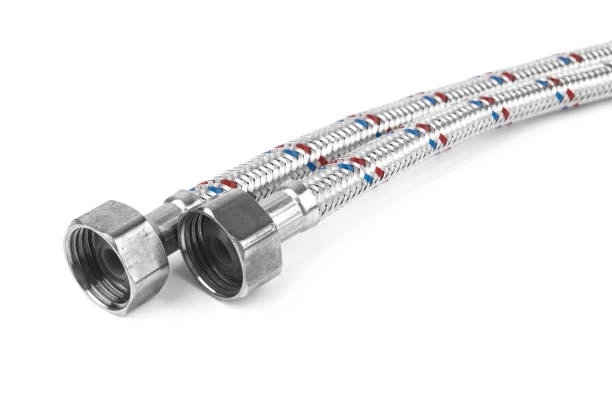
Stainless steel braided hoses are an essential part of modern plumbing and industrial systems. Known for their strength, flexibility, and corrosion resistance, these hoses are widely used to connect water, gas, and chemical lines safely and efficiently. Whether you’re a professional installer or a DIY homeowner, understanding how to choose and install these hoses correctly is key to preventing leaks and ensuring long-term reliability. This guide covers everything from basic definitions and installation tips to how stainless steel braided hoses compare with other types on the market.
FAQ: Frequently Asked Questions About Stainless Steel Braided Hoses
1. What is a stainless steel braided hose?
A stainless steel braided hose is a flexible tube encased in a layer of braided stainless steel wire. This design offers both durability and resistance to pressure, temperature, and corrosion.
2. Are stainless steel braided hoses safe for drinking water?
Yes, most stainless steel braided hoses are certified safe for potable water. However, always check for certifications like NSF or WRAS before use.
3. Can I use a stainless steel braided hose for hot water?
Absolutely. These hoses are commonly used for hot water connections due to their high-temperature resistance.
4. How long do stainless steel braided hoses last?
With proper installation and materials, they can last 5 to 10 years or more. Periodic inspection is recommended for signs of wear or corrosion.
5. Do stainless steel braided hoses require special tools for installation?
No special tools are required, but using a wrench and thread sealant (if needed) can ensure a tight, leak-free connection.
Basic Definition and Key Features
Stainless steel braided hoses consist of three main components: an inner tube (usually made of rubber, EPDM, or PTFE), a stainless steel wire braid layer, and outer fittings for connection. This layered structure combines flexibility with robustness.
Key features include:
- High-pressure resistance
- Excellent flexibility
- Resistance to corrosion and rust
- Suitable for a wide range of temperatures
- Long service life with minimal maintenance
These characteristics make stainless steel braided hoses a reliable choice for both household and industrial systems.
Common Uses and Applications Across Industries
Stainless steel braided hoses serve multiple roles in different sectors:
- Residential plumbing: Connection of faucets, toilets, washing machines, and water heaters.
- HVAC systems: Linking chillers, boilers, and cooling towers.
- Food and beverage industry: Transporting liquids in clean environments.
- Chemical plants: Safely conveying aggressive substances.
- Automotive sector: Used in fuel lines, brake systems, and hydraulic applications.
- Medical equipment: Assuring clean, sterile flow of gases or liquids.
Due to their adaptability, these hoses are indispensable in environments where safety and performance are non-negotiable.
Buying Guide: How to Choose the Right Hose
When purchasing stainless steel braided hoses, consider the following factors to ensure you make the right choice:
1. Material of Inner Tube
- EPDM: Great for water supply lines.
- PTFE: Suitable for chemical resistance and high temperatures.
- NBR: Common in oil or gas-related applications.
2. Braid Quality
Look for hoses with 304 or 316-grade stainless steel. 316 offers higher corrosion resistance, especially in marine or acidic environments.
3. Length and Diameter
Measure your connection points accurately. A longer hose may offer more flexibility during installation but must not be too long to cause loops or kinks.
4. Fittings
Choose between male/female thread types, compression, or push-fit connectors. Make sure they match your application and are made from brass or stainless steel.
5. Color Coding
Some hoses come with red or blue markings to differentiate hot and cold water lines, making installation clearer.
6. Certifications
Check for ISO, NSF, WRAS, or other relevant certifications. These ensure the product complies with international safety and quality standards.
Installation Tips: What You Should Know
Proper installation of a stainless steel braided hose can prevent leaks and extend its lifespan. Here are key tips to follow:
- Inspect before use: Always check the hose for damage, frays, or rust before installation.
- Use the correct length: Avoid stretching the hose. It should fit comfortably between connections with a gentle curve.
- Tighten carefully: Use a wrench to tighten connections, but do not over-tighten, which may damage the threads or cause leaks.
- Avoid twisting: Twisting the hose can weaken the braid and lead to failure over time.
- Install strain reliefs if needed: In high-vibration areas, strain reliefs or supports can reduce stress on the hose.
- Test after installation: Run water or gas through the line to check for leaks. Re-tighten if necessary.
Comparison: Stainless Steel Braided Hoses vs Other Hose Types
| Feature | Stainless Steel Braided Hose | Rubber Hose | PVC Hose | PEX Hose |
|---|---|---|---|---|
| Pressure Resistance | High | Medium | Low | Medium |
| Temperature Range | Wide | Moderate | Limited | Moderate |
| Flexibility | High | High | Medium | High |
| Corrosion Resistance | Excellent | Poor | Moderate | Good |
| Durability | Very Long | Shorter lifespan | Moderate | Long |
| Applications | Plumbing, industry, gas | Garden, general use | Temporary plumbing | Home plumbing systems |
| Cost | Higher initial cost | Low | Very low | Medium |
While stainless steel braided hoses cost more upfront, their durability, safety, and performance justify the investment, especially in high-pressure or high-temperature applications.
Final Thoughts
Stainless steel braided hoses are a top-tier solution for both domestic and industrial plumbing needs. With proper selection and installation, these hoses provide years of worry-free operation. Their ability to handle pressure, temperature changes, and corrosive environments makes them a go-to option in various industries. Whether you’re replacing an old connection or building a new system, always choose quality and certified hoses to guarantee safety and efficiency.
Contact Us
For more information about stainless steel braided hoses or to request a quote, feel free to reach out to our team. We’re here to help you find the right solution for your plumbing and industrial needs. Our support includes product recommendations, customization options, and installation guidance.
IFAN Stainless Steel Braided Hose Standards
IFAN ensures that every stainless steel braided hose meets strict international quality benchmarks. Our hoses conform to:
- ISO 10380: Corrugated metal hose standards
- WRAS and NSF: Certification for potable water use
- EN 13618: Requirements for flexible hoses for sanitary tapware
- ISO 9001: Quality management system compliance
In addition, IFAN stainless steel braided hoses undergo rigorous in-house testing for pressure endurance, thermal resistance, and corrosion behavior to ensure top performance across all use cases.
Contact
IFAN is a professional manufacturer with 30 years of experience, dedicated to producing high-quality plastic pipes, fittings, and valves. Our products include brass valves, PPR valves, as well as various pipes and fittings to meet different customer needs. Whether you need plumbing and drainage pipes or valve products. IFAN can provide a diverse range of high-quality, cost-effective products to support your projects. Below is our contact information.
We will reply your email or fax within 24 hours.
You can call us at any time if there is any question on our production.
Pls Mailto:[email protected]




Recent Comments