
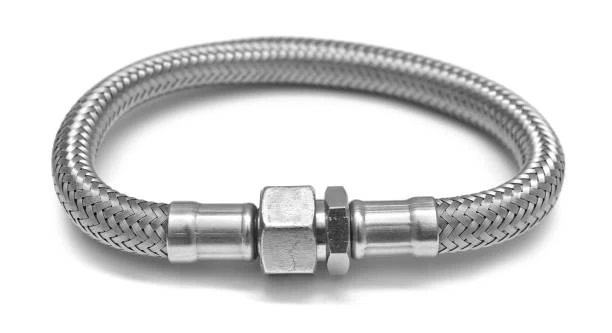
Whether you’re a homeowner, plumber, or industrial technician, choosing the right hose makes a significant difference in performance, safety, and durability. Stainless steel braided hoses have become a preferred choice for users across residential, commercial, and industrial environments. Thanks to their strength, flexibility, and resistance to wear, they simplify installations and reduce the risk of failures. In this article, we walk you through everything users need to know—from definitions and buying tips to usage scenarios and installation advice—so you can confidently choose the right solution for your application.
FAQ: Questions Users Often Ask About Stainless Steel Braided Hoses
1. Who should use stainless steel braided hoses?
These hoses are suitable for homeowners, contractors, and industrial users who require a safe and durable flexible connector for water, gas, or chemical transfer.
2. Are stainless steel braided hoses better than rubber hoses?
Yes, they last longer, resist corrosion, and handle higher pressures. They are especially useful in environments where heat, chemicals, or pressure would damage rubber.
3. Can I install a braided hose myself?
Yes, many residential users install these hoses themselves. They’re designed for easy connection, but always follow installation instructions and check for leaks.
4. How do I know what size braided hose I need?
Measure both ends of the connection carefully. Check diameter and thread type. Always leave a little slack in length to avoid stress on the fittings.
5. Do braided hoses need maintenance?
They require little maintenance, but users should inspect them regularly for signs of corrosion, rust, or wear—especially in high-humidity or chemical-rich environments.
What Are Stainless Steel Braided Hoses?
Stainless steel braided hoses are flexible tubes with an inner core and a braided stainless steel outer layer. This structure allows the hose to bend while withstanding high pressure and temperature. The inner core typically uses EPDM rubber, PTFE (Teflon), or synthetic rubber. The stainless steel braid adds strength, keeps the hose from kinking, and resists external wear.
User-focused benefits include:
- Simple to install, even in tight spaces
- Long-lasting in both indoor and outdoor environments
- Suitable for high-pressure and high-temperature use
- Resistant to corrosion, chemical exposure, and UV rays
- Reduces the risk of bursts and leaks, increasing safety
Users value these hoses for their low maintenance and the peace of mind they offer in critical applications.
Where Users Commonly Apply Stainless Steel Braided Hoses
These hoses are highly versatile and appear in everyday and professional use cases.
Residential users:
- Connecting washing machines, dishwashers, and water heaters
- Faucet and toilet supply lines
- Outdoor plumbing exposed to weather
Industrial users:
- Transferring fluids in chemical plants
- Connecting gas lines and high-pressure water systems
- HVAC equipment and compressors
- Food processing facilities where hygiene is crucial
Commercial settings:
- Restaurants and commercial kitchens
- Medical and dental equipment
- Laundromats and salons
No matter the user profile, the value lies in the combination of reliability, safety, and convenience.
Buying Guide: How Users Should Choose the Right Braided Hose
Selecting the correct stainless steel braided hose requires attention to your specific application and environment. Here are essential criteria that users should consider:
1. Inner Tube Material
- EPDM: Great for hot and cold water in residential applications.
- PTFE: Best for chemical and high-temperature environments.
- NBR: Suitable for oil and gas transmission.
2. Hose Length and Diameter
Users should always measure carefully. The hose should fit comfortably with a little flexibility. Avoid stretching or looping excessively, which can weaken performance over time.
3. Fittings and End Connections
Choose the right fitting type (male/female thread, compression, push-fit). Also, verify material compatibility—brass, stainless steel, or plastic ends depending on use.
4. Certification and Standards
Certified hoses provide peace of mind for users. Look for:
- NSF or WRAS for drinking water safety
- ISO 9001 for quality control
- EN 13618 for sanitary applications
5. Color Indicators
Some hoses have blue or red markings to indicate cold or hot water use. This helps users avoid installation mistakes.
6. Flexibility vs. Rigidity
Choose a more flexible hose for confined spaces, and a thicker braid for heavy-duty use.
Installation Tips: What Every User Should Remember
Proper installation is crucial for long-term hose performance. Here are practical tips from user experiences:
- Don’t overtighten: Hand-tighten first, then use a wrench to secure, but avoid over-torquing which can damage threads.
- Avoid sharp bends: Create a gentle curve between fittings to reduce stress on the hose.
- Check sealing surfaces: Ensure mating threads and sealing washers are clean and intact.
- Use thread tape where needed: For threaded metal connections, Teflon tape may improve sealing.
- Test after installation: Turn on the water or gas, and check for any sign of leakage immediately.
By following these tips, users ensure safety and long-term functionality without professional assistance in most cases.
Comparison Table: Braided Hoses vs. Other Hose Types
To help users choose the most suitable hose, here’s a simple comparison based on common concerns:
| Feature | Stainless Steel Braided Hose | Rubber Hose | PVC Hose | PEX Hose |
|---|---|---|---|---|
| Durability | Excellent | Moderate | Low to Moderate | Good |
| Pressure Tolerance | High | Low | Low | Moderate |
| Temperature Resistance | High | Low | Low | Moderate |
| Corrosion Resistance | High | Poor | Poor | Moderate |
| Flexibility | High | High | Moderate | High |
| Suitable for Hot Water | Yes | Limited | No | Yes |
| Common Residential Use | Yes | Yes (temporary) | Rare | Yes |
| Outdoor Longevity | Excellent | Poor | Poor | Good |
| Upfront Cost | Higher | Low | Very Low | Moderate |
Users looking for longevity and performance often find stainless steel braided hoses the most cost-effective over time, despite the higher initial cost.
Conclusion: Why Users Prefer Stainless Steel Braided Hoses
For users who value safety, performance, and convenience, stainless steel braided hoses are a smart investment. They deliver consistent results in a wide range of applications, resist environmental challenges, and provide peace of mind through durability and certifications.
From everyday plumbing to high-stakes industrial use, these hoses stand out for their reliability. Understanding how to choose and install them empowers users to complete their projects confidently and avoid costly issues down the line.
IFAN Stainless Steel Braided Hose Standards
IFAN is committed to quality and user satisfaction. Our stainless steel braided hoses are designed with international users in mind, following strict production and testing protocols.
Our standards include:
- ISO 10380 – Ensures safety for corrugated metal hose systems
- WRAS & NSF Certifications – Suitable for potable water use
- EN 13618 – Conforms to European sanitary hose guidelines
- ISO 9001 – Guarantees quality management throughout production
- Pressure and temperature testing – Conducted on each batch for consistent reliability
With IFAN, users receive not only a product but a dependable solution built to meet global expectations.
Contact
IFAN is a professional manufacturer with 30 years of experience, dedicated to producing high-quality plastic pipes, fittings, and valves. Our products include brass valves, PPR valves, as well as various pipes and fittings to meet different customer needs. Whether you need plumbing and drainage pipes or valve products. IFAN can provide a diverse range of high-quality, cost-effective products to support your projects. Below is our contact information.
We will reply your email or fax within 24 hours.
You can call us at any time if there is any question on our production.
Pls Mailto:[email protected]



Recent Comments