
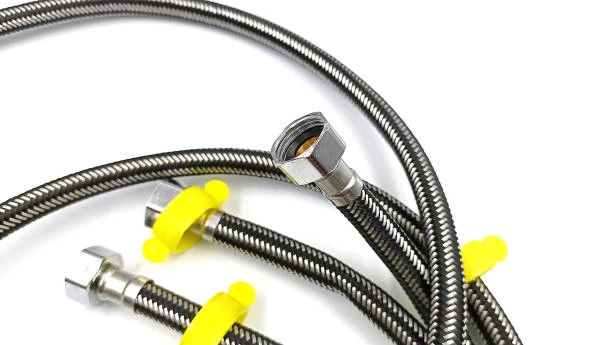
Silicone braided hoses have become essential in numerous industries, including pharmaceuticals, food and beverage, medical devices, and chemical processing. However, beyond their functionality, the logistics of moving these specialized hoses from manufacturers to global users is equally important. When it comes to freight, silicone braided hose offer clear advantages: they are lightweight, flexible, and durable, which makes shipping them more economical and less risky compared to heavier or bulkier materials. Understanding how silicone braided hoses impact freight costs, shipping conditions, packaging, and delivery timelines helps businesses make smarter logistics decisions.
This guide explores how silicone braided hose fit into freight strategies, explains their unique material properties, and answers common questions about shipping and transport. Whether you’re sourcing them for industrial use or acting as a distributor, understanding the freight implications of silicone braided hoses can boost your overall supply chain performance.
Frequently Asked Questions (FAQ)
1. Are silicone braided hoses expensive to ship?
Not usually. Silicone braided hoses are lightweight and compact, which reduces overall shipping weight and volume. This helps lower freight costs, especially for bulk orders.
2. Do silicone braided hoses require special packaging during shipment?
Yes. Though they are flexible and durable, proper coiling and protective packaging (like plastic wrap or boxed reels) help avoid surface damage or contamination during transit.
3. Can silicone braided hoses be shipped internationally without compliance issues?
Generally, yes. Most silicone braided hoses meet international standards (like FDA, RoHS, or ISO) and are accepted globally. Always check the documentation to ensure they meet destination country regulations.
4. What transportation methods are best for silicone braided hoses?
They can be shipped by air, sea, or land. Air freight is best for urgent orders, while sea freight is more economical for large shipments. Their lightweight structure makes them versatile across modes.
5. How should silicone braided hoses be stored during transit?
They should be kept dry, cool, and protected from direct sunlight. Storing them in temperature-controlled environments can help preserve material integrity, especially for long-distance freight.
What Is a Silicone Braided Hose?
A silicone braided hose is a flexible tubing made from silicone rubber and reinforced with a braid—typically made of polyester or fiberglass. This structure combines the chemical and thermal resistance of silicone with added mechanical strength from the braid.
Silicone is known for its stability in high and low temperatures, its resistance to chemical corrosion, and its non-reactive surface. These features make it ideal for transporting air, fluids, steam, or gases in critical applications. The braided reinforcement gives the hose added pressure resistance, helping it maintain its shape even under heavy use.
Because of their lightweight structure and flexibility, silicone braided hoses can be coiled tightly and packaged compactly, a feature that benefits logistics, warehousing, and shipping.
Key Characteristics of Silicone Braided Hoses
When it comes to freight, the following properties of silicone braided hoses make a difference:
1. Lightweight Design
Silicone is naturally lighter than rubber or metal alternatives. When reinforced with a braid, the hose still maintains a low weight without sacrificing performance. This lowers shipping costs, especially when freight is calculated by weight.
2. Flexible and Space-Saving
These hoses can be coiled or stacked easily, which optimizes space in shipping containers or pallets. Flexibility also allows for customized packaging shapes, maximizing container usage during freight.
3. Durability During Transit
Thanks to their reinforced construction, silicone braided hoses resist kinks, cracking, and impact. They can endure the vibrations and pressure changes common during long-distance shipping, which reduces the risk of returns or damaged goods.
4. Temperature Resistance
Whether exposed to cold cargo holds or hot transport containers, these hoses hold up well in a wide temperature range—typically from -60°C to +200°C. This reduces spoilage or material degradation during freight.
5. Chemical Stability
Silicone resists most acids, bases, and solvents, so the hoses won’t degrade if exposed to contamination or spills during transit. This is especially important in mixed-load freight where materials may interact.
Common Freight Uses and Industries
Silicone braided hoses are widely shipped to various industries, each with unique logistics needs. Let’s explore the typical freight applications by industry:
1. Food and Beverage Industry
These hoses are commonly shipped to beverage factories, breweries, and food processing plants. Because they comply with food-grade standards, they’re often used in dairy, soft drink, and water applications. Freight usually involves sanitary packaging and sometimes temperature-controlled containers.
2. Pharmaceutical and Medical Sector
Silicone braided hoses are essential in transporting fluids for medical devices and drug manufacturing. Freight often involves sterile environments or double-sealed packaging to prevent contamination.
3. Chemical Processing
In chemical freight, silicone braided hoses are used for transporting corrosive or high-temperature materials. The packaging must isolate the hoses from reactive substances, and the shipping paperwork usually includes MSDS or safety data.
4. Automotive and Aerospace
Silicone braided hoses are shipped as part of components for fuel lines, cooling systems, or vacuum systems. Freight is often scheduled with other parts and subject to just-in-time delivery models. Their compact size helps reduce warehousing needs.
5. Consumer and OEM Supply Chains
Retailers and original equipment manufacturers (OEMs) receive silicone braided hoses in bulk. Freight may be coordinated through e-commerce channels or distributors, often via international sea or rail freight.
Logistics Considerations When Shipping
To optimize freight strategies involving silicone braided hoses, companies need to consider the following:
1. Packaging and Palletization
It’s best to coil hoses on reels or bundle them in protective wraps. Bulk orders benefit from palletization, which reduces handling time and shipping damage.
2. Customs and Compliance
When shipping internationally, proper documentation like certificates of conformity, material declarations, and country-of-origin labels is crucial. Silicone braided hose made of food-grade or medical-grade materials often need extra certificates (e.g., FDA, REACH).
3. Transport Insurance
Silicone braided hoses are often part of mission-critical systems, and any shipping loss can delay production.
4. Freight Mode Selection
- Air Freight is ideal for urgent, lightweight orders.
- Sea Freight works best for high-volume international shipments. Use sealed cartons or crates to avoid moisture exposure.
- Rail or Truck Freight is common for regional distribution, where flexible delivery times and mid-sized loads are involved.
5. Warehousing and Distribution
Since silicone braided hose don’t degrade quickly, they are suitable for long-term storage. However, warehouses should maintain dry and clean conditions to prevent dust or microbial growth—especially for hoses used in sanitary applications.
Economic Benefits of Silicone Braided Hose in Freight
Choosing silicone braided hoses has a direct impact on freight economics. Here are the key reasons:
- Reduced Weight Means Lower Costs: Shipping lighter hoses cuts costs significantly, especially with weight-based pricing.
- Compact Packing Lowers Volume Charges: Volume or dimensional weight charges are common in air freight. Flexible hoses reduce packaging dimensions.
- Lower Damage Rates Mean Fewer Returns: Their durability leads to fewer damaged shipments, reducing reverse logistics expenses.
- Multi-Use Across Markets: A single shipment can serve diverse industries. This versatility streamlines warehousing and international distribution.
- Lower Environmental Impact: Efficient freight logistics involving lightweight and durable materials can reduce carbon emissions per unit shipped.
Conclusion
Silicone braided hoses are more than just high-performance components—they are also freight-friendly products that offer both shipping efficiency and economic value. Their lightweight, compact, and durable nature makes them ideal for global supply chains. Whether you’re shipping a few coils to a nearby customer or managing full-container loads for overseas markets, these hoses deliver logistical advantages at every stage.
Understanding the freight implications—from packaging and compliance to transport methods—helps businesses plan smarter and cut operational costs. With the continued demand for high-quality, flexible tubing across industries, the silicone braided hose remains a reliable and cost-effective option for modern freight systems.
If your business depends on efficient logistics and reliable performance, silicone braided hoses are worth the investment—not only for their function but for their freight-friendly advantages.
Let me know if you’d like this version tailored to a specific industry like pharmaceutical or OEM distribution, or need a version adapted for product catalogs or e-commerce listings.
Contact
IFAN is a professional manufacturer with 30 years of experience, dedicated to producing high-quality plastic pipes, fittings, and valves. Our products include brass valves, PPR valves, as well as various pipes and fittings to meet different customer needs. Whether you need plumbing and drainage pipes or valve products. IFAN can provide a diverse range of high-quality, cost-effective products to support your projects. Below is our contact information.
We will reply your email or fax within 24 hours.
You can call us at any time if there is any question on our production.
Pls Mailto:[email protected]










Recent Comments