
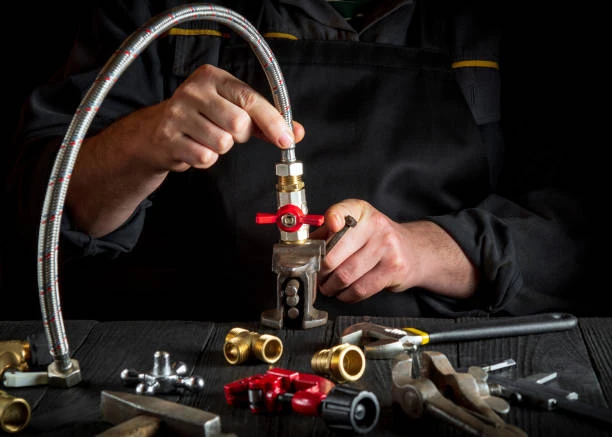
Silicone braided hoses play a crucial role across multiple sectors, from pharmaceuticals to food processing, thanks to their flexibility, durability, and temperature resistance. However, beyond their technical performance, these hoses also hold considerable economic significance. As industries seek cost-effective, long-lasting, and regulatory-compliant materials, silicone braided hoses have become a preferred option. This article explores the economic aspects of silicone braided hoses, including cost-efficiency, return on investment, and their broader impact on supply chains.
Whether you’re a manufacturer, distributor, or procurement specialist, understanding the economic value of silicone braided hoses can help guide purchasing decisions, optimize operational costs, and enhance product reliability over time.
Frequently Asked Questions (FAQ)
1. Are silicone braided hoses cost-effective compared to rubber or PVC hoses?
Yes. While the upfront cost of silicone braided hoses may be higher, their extended service life, chemical resistance, and low maintenance needs reduce long-term replacement and repair costs, making them economically superior in many applications.
2. What factors affect the pricing of silicone braided hoses?
Several elements influence the price, including the grade of silicone, reinforcement material (typically polyester or stainless steel braiding), inner diameter, operating temperature range, and certifications (such as FDA or USP Class VI compliance).
3. How do silicone braided hoses impact industrial productivity?
These hoses can withstand extreme conditions, minimizing downtime due to failures or leaks. This improved reliability enhances productivity and contributes to consistent manufacturing outputs.
4. Do silicone braided hoses offer a good return on investment (ROI)?
Yes. Due to their longevity and multi-industry applications, companies benefit from fewer replacements, less maintenance labor, and reduced production disruptions, all of which improve ROI over time.
5. How does global supply and demand affect silicone hose economics?
The market for silicone hoses is influenced by raw material availability, global silicone prices, manufacturing trends, and growing demand in sectors like biopharma, automotive, and food-grade systems. These factors can drive prices up or down depending on the global economic climate.
What Is a Silicone Braided Hose? Basic Definition and Key Features
A silicone braided hose is a type of flexible tubing made from high-quality silicone rubber and reinforced with braided fibers, typically polyester or stainless steel wire. This construction strengthens the hose while maintaining its flexibility and resistance to heat, chemicals, and pressure.
Key Characteristics Include:
- High Temperature Resistance: Most silicone braided hoses can handle temperatures from -60°C to over 200°C, making them suitable for extreme environments.
- Chemical Stability: These hoses resist degradation from most chemicals, oils, and solvents, especially in sterile environments.
- Transparency: Many versions are translucent or clear, allowing visual flow inspection in pharmaceutical or food processes.
- Non-toxicity and Compliance: Silicone braided hoses often meet global safety standards, including FDA, REACH, and RoHS requirements, making them suitable for direct contact with consumables or sensitive medical devices.
- Long Lifespan: Their structure allows for continuous usage under challenging conditions without hardening, cracking, or losing elasticity.
From a purely technical view, these features support reliability and performance. Economically, each of these traits contributes to lowering operating costs, avoiding downtime, and enhancing efficiency.
Common Applications and Industry Use
The versatility of silicone braided hoses supports their use in a wide range of sectors. Each industry values the hose for specific features that also translate into economic benefits, especially in terms of durability, sanitation, and low maintenance.
1. Pharmaceutical and Biotechnology
Pharmaceutical companies rely on silicone braided hoses for their biocompatibility and ability to maintain sterility. The economic advantage here is crucial: contamination can halt production lines or result in lost batches, costing millions. Using high-quality hoses minimizes these risks.
2. Food and Beverage Industry
Silicone braided hoses are widely used in beverage dispensing machines, milk processing, and food production lines. Since they do not alter the taste or smell of the transferred product and withstand cleaning chemicals, companies can reduce waste and improve product integrity—both of which enhance profit margins.
3. Medical and Healthcare
Medical device manufacturers use silicone hoses for fluid transfer systems in respiratory machines, dialysis units, and surgical equipment. Their non-toxic, latex-free structure and sterilizability reduce liability and recall risks, resulting in major economic savings in high-stakes healthcare settings.
4. Automotive Industry
In turbochargers, coolant lines, and vacuum systems, silicone braided hoses are favored for their pressure and temperature tolerance. Fewer replacements mean lower repair costs and better customer satisfaction, supporting the vehicle manufacturer’s brand and reducing warranty claims.
5. Industrial and Chemical Processing
Factories that deal with harsh solvents and temperature extremes value silicone hoses for reducing equipment failure and protecting critical infrastructure. Over time, this reliability supports lean manufacturing strategies and continuous production cycles.
Economic Advantages of Silicone Braided Hoses
Let’s now focus on the economic benefits that make silicone braided hoses a smart investment in the long term.
1. Longer Service Life Means Lower Replacement Costs
Standard rubber or plastic hoses may last a few months in high-demand environments, while silicone braided hoses can last years. Though initial investments may be 30–50% higher, replacement frequency can be reduced by 2–3 times, lowering total cost of ownership.
2. Reduced Downtime Improves Productivity
Replacing a failed hose can halt an entire line. In pharmaceutical production, even a one-hour stoppage can cost thousands in lost revenue. Silicone braided hoses reduce the likelihood of such breakdowns, which directly protects profit margins.
3. Lower Maintenance Costs
Because of their chemical and temperature resistance, silicone braided hoses don’t require regular adjustments or inspections. Fewer maintenance hours mean less labor cost and more uptime for machines and staff.
4. Standard Compliance Minimizes Regulatory Risk
Silicone hoses often meet FDA, ISO, and USP Class VI certifications. Using pre-approved materials saves money on third-party validation processes and prevents the risk of non-compliance penalties.
5. Bulk Purchasing and Manufacturing Efficiency
Suppliers that produce silicone braided hoses at scale can often offer competitive pricing. When combined with the product’s longevity and reliability, manufacturers enjoy better budgeting predictability and procurement planning.
Market Trends and Economic Outlook
The global silicone hose market has shown consistent growth, with an expected CAGR (Compound Annual Growth Rate) of 6–7% over the next decade. Several economic forces are driving this growth:
1. Increased Demand in Health and Hygiene
Post-pandemic healthcare systems are investing more in durable, hygienic fluid transfer systems. Silicone braided hose fit the bill and are being integrated into more devices and systems.
2. Growth in Automation and Processing
As factories automate, the demand for reliable, low-maintenance components rises. Silicone hoses’ ability to function with minimal oversight aligns perfectly with Industry 4.0 trends.
3. Rising Material Costs Balanced by Performance
Although the price of raw silicone can fluctuate due to global supply chain disruptions, the performance of silicone braided hose justifies the cost. End users see a reduction in long-term spending despite slightly higher upfront costs.
4. Sustainability and Waste Reduction
Due to their long life and chemical resistance, silicone hoses contribute less to landfill waste than lower-grade materials. Companies focused on sustainable manufacturing can calculate economic gains from reduced waste disposal fees and environmental impact.
Conclusion
The economic story behind silicone braided hoses is compelling. While they may carry a premium price compared to traditional hose materials, their long-term value lies in reduced downtime, fewer replacements, lower maintenance, and enhanced safety compliance. For industries where quality, hygiene, and durability are paramount, silicone braided hoses are not just a technical asset—they’re a strategic economic investment.
Whether you’re outfitting a new production facility or upgrading an existing system, it’s worth considering the total lifecycle cost and return on investment silicone braided hose can offer. Their performance, reliability, and regulatory advantage make them a smart choice in today’s cost-conscious and quality-driven industrial landscape.
Let me know if you’d like a version adapted for a product page, social media, or e-commerce listing.
Contact
IFAN is a professional manufacturer with 30 years of experience, dedicated to producing high-quality plastic pipes, fittings, and valves. Our products include brass valves, PPR valves, as well as various pipes and fittings to meet different customer needs. Whether you need plumbing and drainage pipes or valve products. IFAN can provide a diverse range of high-quality, cost-effective products to support your projects. Below is our contact information.
We will reply your email or fax within 24 hours.
You can call us at any time if there is any question on our production.
Pls Mailto:[email protected]







Recent Comments