
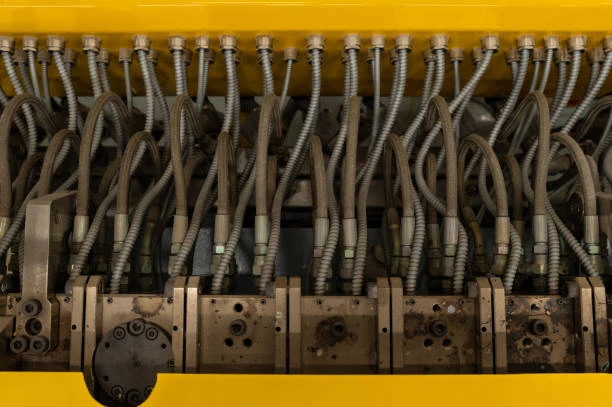
Reinforced braid hoses hold a unique place in the fluid transfer market. By aligning technical capabilities with targeted industry demands, these hoses can capture both niche and mainstream markets. This guide focuses on the positioning of reinforced braid hoses—examining their defining features, answering common questions, and highlighting the industries where they thrive.
Frequently Asked Questions (FAQ)
1. What does “positioning” mean for a reinforced braid hose?
In this context, positioning refers to how a reinforced braid hose is presented and recognized in the market. This involves highlighting its strengths, matching them to customer requirements, and differentiating it from competing products.
2. How does a reinforced braid hose differ from other reinforced hoses?
While many hoses have reinforcement, the braided design offers a balance between flexibility and strength. The interwoven fibers or metal strands create a structure that handles pressure while maintaining ease of handling.
3. Why is positioning important for this product?
Strong positioning ensures that customers understand the hose’s value for their specific needs. Without clear positioning, even a high-quality hose might be overlooked in favor of more familiar or aggressively marketed options.
4. Which factors influence positioning in the hose market?
Key factors include material choice, industry certifications, pressure and temperature ratings, customization options, and after-sales support. Price competitiveness also plays a role but should not overshadow performance benefits.
Basic Definition and Features
A reinforced braid hose is a flexible tube designed for transporting fluids or gases under pressure. Its structure consists of:
- Inner Tube – The core passageway, made from materials such as PVC, rubber, or PTFE, chosen for compatibility with the intended fluid.
- Braid Reinforcement Layer – A tightly woven mesh of synthetic fibers like nylon or polyester, or metals such as stainless steel, providing added strength without excessive stiffness.
- Outer Cover – A protective layer that shields against UV rays, abrasion, chemicals, and weather exposure.
From a positioning standpoint, its standout features include:
- Strength-to-Weight Ratio – It offers durability comparable to heavier hoses, but with easier handling.
- High Pressure Capability – Suitable for both low and high-pressure applications.
- Flexibility – Installs easily in tight or complex layouts without kinking.
- Versatile Material Options – Available in variations suited for water, air, chemicals, or food products.
- Visual Appeal – The visible braided layer can serve as a marketing advantage, suggesting technical sophistication and durability.
Common Uses and Application Industries
Positioning a reinforced braid hose effectively requires understanding its broad range of uses. Each application can form the basis of a distinct market position.
- Automotive Industry
In automotive markets, reinforced braid hoses are positioned as high-performance solutions for brake lines, fuel delivery, and cooling systems. Mechanics value their resistance to vibration, heat, and pressure spikes. - Construction and Agriculture
Here, they are positioned as rugged, field-ready tools. They handle water, air, and chemicals in outdoor environments, making them reliable for irrigation, spraying, and heavy-duty machinery connections. - Industrial Manufacturing
In manufacturing plants, the positioning focuses on efficiency and reliability. The hoses support pneumatic tools, hydraulic systems, and process lines, reducing downtime through long service life. - Food and Beverage Processing
When equipped with food-grade linings, reinforced braid hoses are positioned as sanitary and safe. They are promoted for transferring beverages, cleaning solutions, and liquid ingredients under strict hygiene standards. - Marine Sector
For marine use, they are positioned as corrosion-resistant solutions for onboard water systems and engines. Their ability to handle constant movement and exposure to saltwater is a key selling point. - Residential and Consumer Use
In retail markets, reinforced braid hoses are positioned as premium household products for garden irrigation, pressure washing, and home plumbing. Ease of handling and kink resistance are central to this positioning.
Positioning Strategies for Different Markets
To make the most of reinforced braid hoses’ potential, suppliers and manufacturers can adopt targeted positioning strategies:
- Performance-First Positioning – Emphasize burst pressure ratings, abrasion resistance, and temperature performance to appeal to technical buyers.
- Industry-Specific Positioning – Tailor materials, certifications, and marketing language to match each industry’s requirements.
- Value-Driven Positioning – Highlight the cost savings from reduced maintenance and replacements.
- Sustainability Positioning – Promote environmentally friendly manufacturing processes or recyclable materials when available.
- Design-Led Positioning – Use the visual appeal of the braid pattern to market the product as both functional and professional-looking.
Summary
Reinforced braid hoses occupy a valuable position in the market because they combine strength, flexibility, and adaptability. Proper positioning ensures that customers see not just a hose, but a tailored solution to their specific challenges. Whether in a factory, a farm, a workshop, or a home, these hoses deliver consistent performance when matched to the right application. With clear positioning strategies, suppliers can highlight the unique benefits of reinforced braid hoses and secure their place in competitive industries.
Contact
IFAN is a professional manufacturer with 30 years of experience, dedicated to producing high-quality plastic pipes, fittings, and valves. Our products include brass valves, PPR valves, as well as various pipes and fittings to meet different customer needs. Whether you need plumbing and drainage pipes or valve products. IFAN can provide a diverse range of high-quality, cost-effective products to support your projects. Below is our contact information.
We will reply your email or fax within 24 hours.
You can call us at any time if there is any question on our production.
Pls Mailto:[email protected]





Recent Comments