
Introduction – Summary of the Article
When it comes to plumbing systems, choosing the right valve is just as important as selecting the right pipes. A valve controls water flow, prevents leaks, and ensures that the entire system functions smoothly. Among all available options, the PVC water valve has earned a strong reputation. It is lightweight, highly resistant to corrosion, easy to install, and affordable. These qualities make it a preferred solution for homeowners, contractors, and industries alike. This article explains what a PVC water valve is, its main features, the most common applications, and practical advice for selecting and installing the right model. It also compares PVC valves with other materials, giving readers the knowledge they need to make the best decision for their plumbing projects.
FAQ – Frequently Asked Questions
1. What is a PVC water valve used for?
A PVC water valve is used to regulate, start, or stop the flow of water in plumbing, irrigation, or industrial systems.
2. Can a PVC water valve handle hot water?
PVC water valves are best suited for cold or moderate-temperature water. For hot water, CPVC or metal valves are usually recommended.
3. Are PVC water valves safe for drinking water?
Yes, many PVC valves are certified for potable water systems, provided they meet NSF or similar standards.
4. How long does a PVC water valve last?
On average, a PVC water valve can last 15 to 25 years, depending on usage conditions, water quality, and maintenance.
5. Is it difficult to install a PVC water valve?
No, installation is simple. With the right tools and proper adhesive, even DIY users can install PVC water valves without difficulty.
Definition and Key Features of a PVC Water Valve
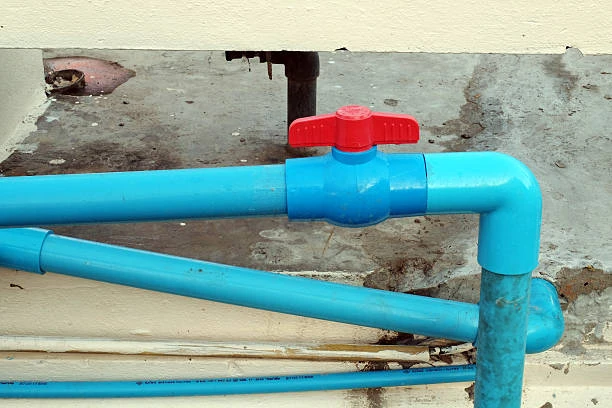
A PVC water valve is a plumbing component made from polyvinyl chloride, a durable plastic widely used in construction and industrial applications. The valve works by opening or closing to regulate the passage of water or other fluids through a pipe.
The key features of a PVC water valve include:
- High resistance to corrosion and chemical exposure, making it suitable for both indoor and outdoor use.
- Lightweight structure that reduces handling and installation effort.
- Cost-effectiveness compared to brass or stainless steel valves.
- Long service life when used under recommended conditions.
- Wide availability in different valve types, such as ball valves, gate valves, and check valves.
These qualities make PVC water valves a practical option for modern plumbing needs, balancing affordability and reliability.
Common Applications and Industries
PVC water valves are widely used across many different environments due to their durability and versatility.
- Residential plumbing: Ideal for home water supply systems, garden irrigation, and swimming pool circulation.
- Agriculture: Extensively used in irrigation systems to manage water distribution efficiently.
- Commercial buildings: Suitable for office complexes, hotels, and schools where safe and reliable water flow is essential.
- Aquaculture and fisheries: Used in systems that manage water circulation for ponds, tanks, and treatment facilities.
- Industrial processes: Effective in systems that handle non-corrosive fluids, including cooling, washing, and certain chemical applications.
The broad scope of use demonstrates how PVC water valves serve both simple residential setups and complex industrial networks.
Buying Guide – How to Select the Right PVC Water Valve
Choosing the correct PVC water valve depends on understanding a few essential factors:
- Material quality
High-grade PVC ensures strength, durability, and better resistance to external conditions such as UV radiation if used outdoors. - Valve size
It is important to match the valve size with the pipe diameter for a proper fit and efficient flow control. - Valve type
Ball valves, gate valves, and check valves each serve different purposes. Selecting the correct type ensures functionality for the intended application. - Color and design
Some PVC valves come in different colors, which helps in identifying and organizing complex plumbing systems. - Certifications
Look for valves with NSF, ANSI, or ISO certifications to ensure they are safe for drinking water and meet international quality standards.
By following these considerations, buyers can select a valve that not only fits their system but also provides long-term reliability.
Installation Guidelines and Considerations
Installing a PVC water valve is a straightforward process, but attention to detail is important for a secure and long-lasting result.
- Preparation: Ensure that the pipe ends and valve connections are clean and free from dust or moisture.
- Cutting: Use a proper pipe cutter to create smooth, straight cuts, which allow for a tight and secure fit.
- Dry fitting: Test the connection before applying adhesive to confirm correct placement.
- Adhesive application: Apply PVC solvent cement or primer as recommended by the manufacturer to create a strong bond.
- Curing: Allow the adhesive to set fully before introducing water into the system.
- Leak testing: Once cured, gradually open the water flow and check for leaks around the connection points.
Following these steps helps prevent leaks, extends the valve’s service life, and ensures safe operation.
PVC Water Valve vs. Other Materials – Comparison Table
Different valve materials offer distinct advantages. Here is a comparison of PVC water valves with brass and stainless steel alternatives:
| Criteria | PVC Water Valve | Brass Water Valve | Stainless Steel Water Valve |
|---|---|---|---|
| Durability | High, but limited under high heat | Very high | Extremely high |
| Corrosion resistance | Excellent | Good | Excellent |
| Weight | Lightweight | Heavy | Heavy |
| Cost | Low | Medium | High |
| Installation | Easy, DIY-friendly | Moderate | More complex |
| Temperature resistance | Moderate | High | Very high |
| Potable water use | Certified options available | Common | Common |
This comparison shows that PVC water valves are ideal for systems where cost, corrosion resistance, and easy installation are priorities. Brass and stainless steel, however, may be more suitable in environments with extreme heat or pressure.
Conclusion
A PVC water valve is one of the most practical solutions in modern plumbing. It offers a unique combination of strength, corrosion resistance, and cost efficiency. From residential gardens to large-scale industrial processes, these valves deliver reliable performance across a variety of applications. While brass and stainless steel valves may outperform PVC in high-temperature or heavy-duty environments, PVC remains the go-to choice for everyday systems where affordability and ease of use are key.
By understanding its definition, uses, buying considerations, and installation practices, anyone can confidently select and use a PVC water valve. With the right choice, plumbing systems remain efficient, durable, and worry-free for many years.
IFAN’s international standards
IFAN products comply with multiple international standards, including BS 3505, BS 4346, ASTM D1785 SCH40, ASTM D1785 SCH80, DIN, GB, DWV, ASTM D2665, ASTM D2241, ASTM D2729, ASTM F441/F441M, ISO 1452 Series standards, EN ISO 1452, DIN 8061/8062, GB/T 10002 Series standards, AS/NZS 1477, JIS K6741, CSA B137.3, NSF/ANSI 14, TIS 17-2532/1131-2535, among others. These certifications ensure that IFAN piping systems meet global requirements for safety, durability, and performance.
Contact
IFAN is a professional manufacturer with 30 years of experience, dedicated to producing high-quality plastic pipes, fittings, and valves. Our products include brass valves, PPR valves, as well as various pipes and fittings to meet different customer needs. Whether you need plumbing and drainage pipes or valve products. IFAN can provide a diverse range of high-quality, cost-effective products to support your projects. Below is our contact information.
We will reply your email or fax within 24 hours.
You can call us at any time if there is any question on our production.
Pls Mailto:[email protected]








Recent Comments