
Introduction – Summary of the Article
Efficient plumbing systems rely heavily on the quality of valves. A well-chosen valve ensures smooth water flow, prevents leaks, and enhances the longevity of the entire system. The PVC water valve has emerged as a popular choice across residential, irrigation, and industrial applications. Its lightweight construction, resistance to corrosion, cost-effectiveness, and ease of installation make it a versatile solution. From managing garden irrigation to industrial water distribution, PVC water valves provide reliable performance in diverse environments. This article explores what a PVC water valve is, its key features, applications, selection criteria, installation guidelines, and a comparison with other materials, helping readers make informed decisions.
FAQ – Frequently Asked Questions
1. What is a PVC water valve?
A PVC water valve is a valve made from polyvinyl chloride that regulates, opens, or closes the flow of water in piping systems.
2. Can PVC water valves handle hot water?
PVC water valves are ideal for cold and moderate-temperature water. For hot water applications, CPVC or metal valves are recommended.
3. Are PVC water valves safe for drinking water?
Yes, many PVC water valves meet NSF, ANSI, or ISO standards and are certified safe for potable water systems.
4. How long does a PVC water valve last?
With proper installation and maintenance, a PVC water valve can last 15 to 25 years, depending on water quality and pressure.
5. Is installing a PVC water valve complicated?
No, PVC water valves are straightforward to install. Standard tools and adhesives are sufficient for both professionals and DIY users.
Definition and Key Features of a PVC Water Valve
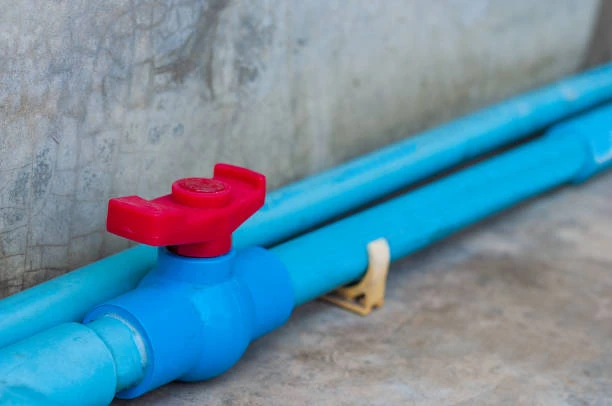
A PVC water valve is a mechanical component made from polyvinyl chloride, a highly durable and lightweight plastic. It controls water flow in pipes by opening, closing, or partially obstructing the passage.
Key features include:
- Corrosion resistance: PVC does not rust and withstands chemical exposure, making it ideal for indoor and outdoor use.
- Lightweight construction: Easier to handle and reduces installation time.
- Affordability: Less expensive than brass or stainless steel valves while providing reliable performance.
- Long lifespan: Properly installed valves can function for decades.
- Versatility: Available in multiple types such as ball valves, gate valves, and check valves.
These features make PVC water valves a practical and reliable solution for a variety of plumbing and irrigation systems.
Common Applications and Industries
PVC water valves are widely applied across different sectors due to their versatility and durability:
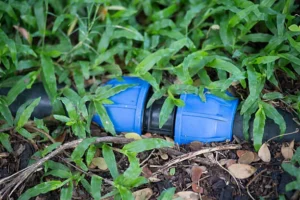
- Irrigation systems: Used in residential gardens, commercial farms, and large-scale agricultural setups to control water distribution efficiently.
- Home plumbing: Essential in water supply lines, pools, and rainwater systems for reliable flow control.
- Commercial buildings: Useful in hotels, schools, and office complexes for maintaining consistent water pressure and flow.
- Industrial applications: Suitable for non-corrosive liquid handling in manufacturing plants, cooling systems, and chemical processes.
- Aquaculture: Helps maintain water circulation and quality in fish farms and hatcheries.
This wide range of applications demonstrates the flexibility and importance of PVC water valves in both everyday and specialized environments.
Buying Guide – How to Choose the Right PVC Water Valve
Selecting the right PVC water valve involves examining several key factors:
- Material quality
High-grade PVC ensures durability, UV resistance, and longevity even in harsh environments. - Size and compatibility
The valve diameter must match the pipe size for optimal flow and secure connections. - Valve type
Ball valves provide quick on/off control, gate valves allow gradual flow adjustments, and check valves prevent backflow. Choose the type based on your system requirements. - Color and markings
Colored valves can help identify different lines in complex systems, improving organization and safety. - Certifications and standards
Ensure valves comply with NSF, ANSI, ISO, or local plumbing codes to guarantee safety and quality. - Application-specific features
Some valves offer pressure ratings or chemical resistance tailored for industrial, agricultural, or potable water systems.
Careful consideration of these factors ensures reliable performance and extended service life.
Installation Guidelines and Considerations
Installing a PVC water valve is simple when proper steps are followed:
- Preparation: Clean the pipe ends and valve connection points to remove dirt, grease, or moisture.
- Cutting pipes: Use a PVC pipe cutter for smooth, straight edges that allow secure attachment.
- Dry fitting: Test the valve alignment before applying adhesive to ensure proper placement.
- Adhesive application: Apply PVC primer and solvent cement evenly according to manufacturer instructions.
- Curing: Let the adhesive cure fully before turning on the water supply.
- Leak testing: Gradually introduce water and check for leaks at all joints.
Proper installation ensures durability, prevents leaks, and maximizes the valve’s lifespan.
PVC Water Valve vs. Other Materials – Comparison Table
PVC water valves offer distinct advantages over traditional materials. The table below compares PVC, brass, and stainless steel valves:
| Criteria | PVC Water Valve | Brass Water Valve | Stainless Steel Water Valve |
|---|---|---|---|
| Durability | High for cold/moderate water | Very high | Extremely high |
| Corrosion resistance | Excellent | Good | Excellent |
| Weight | Lightweight | Heavy | Heavy |
| Cost | Low | Medium | High |
| Installation | Easy, DIY-friendly | Moderate | More complex |
| Temperature resistance | Moderate | High | Very high |
| Potable water use | Certified options available | Common | Common |
This comparison highlights the balance PVC valves provide between affordability, durability, and ease of installation, especially in irrigation and home plumbing systems.
Conclusion
PVC water valves are a reliable, cost-effective, and versatile solution for modern plumbing, irrigation, and industrial applications. They combine durability, corrosion resistance, and ease of installation, making them suitable for both simple residential systems and complex industrial networks. While brass and stainless steel valves are preferable in high-temperature or extreme pressure situations, PVC remains the optimal choice for most everyday water systems.
Understanding the valve’s features, applications, selection criteria, and installation guidelines allows users to make informed decisions. With proper installation and maintenance, a PVC water valve can provide decades of efficient and safe performance, ensuring smooth water flow across any system.
IFAN’s international standards
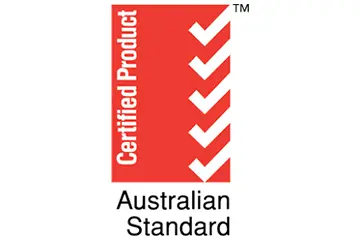
IFAN products comply with multiple international standards, including BS 3505, BS 4346, ASTM D1785 SCH40, ASTM D1785 SCH80, DIN, GB, DWV, ASTM D2665, ASTM D2241, ASTM D2729, ASTM F441/F441M, ISO 1452 Series standards, EN ISO 1452, DIN 8061/8062, GB/T 10002 Series standards, AS/NZS 1477, JIS K6741, CSA B137.3, NSF/ANSI 14, TIS 17-2532/1131-2535, among others. These certifications ensure that IFAN piping systems meet global requirements for safety, durability, and performance.
Contact
IFAN is a professional manufacturer with 30 years of experience, dedicated to producing high-quality plastic pipes, fittings, and valves. Our products include brass valves, PPR valves, as well as various pipes and fittings to meet different customer needs. Whether you need plumbing and drainage pipes or valve products. IFAN can provide a diverse range of high-quality, cost-effective products to support your projects. Below is our contact information.
We will reply your email or fax within 24 hours.
You can call us at any time if there is any question on our production.
Pls Mailto:[email protected]







Recent Comments