
Introduction
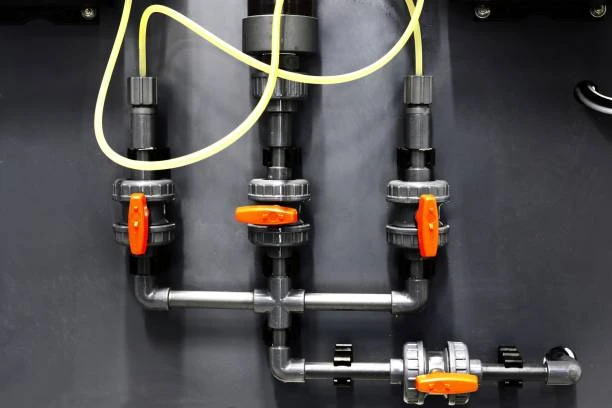
A PVC water valve is an essential device used to regulate, direct, or stop the flow of water in a piping system. Its design and composition make it highly suitable for both residential and industrial purposes. What sets PVC water valves apart from other types is not only their material but also the process by which they function, are manufactured, and are installed. Understanding the process behind a PVC water valve provides valuable insight into why it has become one of the most trusted solutions in fluid management today.
From controlling water distribution in irrigation to ensuring efficient flow in municipal treatment plants, PVC water valves play a vital role in many applications. In this article, we will explore their definition, features, the processes that guide their operation, their common uses, and industries that rely on them.
Frequently Asked Questions (FAQ)
1. What process allows a PVC water valve to control water flow?
The process involves opening, closing, or partially obstructing the internal passage of the valve using a movable mechanism such as a ball, gate, or disc. When the handle is turned, it moves the internal component, allowing water to either pass through, slow down, or stop.
2. What process is used to manufacture PVC water valves?
Manufacturing typically involves injection molding, where molten PVC material is shaped into the valve body. Afterward, seals, handles, and other components are assembled, followed by quality checks to ensure strength and leak resistance.
3. How does the installation process of a PVC water valve work?
The valve is usually connected to PVC pipes through solvent cementing or threaded fittings. The process requires cleaning the pipe ends, applying primer and cement, then joining the valve securely to form a watertight connection.
4. Is the maintenance process for PVC water valves complicated?
No, the process is simple. Regular inspection, occasional cleaning, and ensuring the seals remain intact are usually enough to keep the valve functioning properly.
5. What processes benefit most from PVC water valves in industry?
Processes such as irrigation control, water treatment, aquaculture circulation, and pool filtration benefit greatly from PVC water valves because of their durability, resistance to chemicals, and low cost.
Definition and Key Features
Definition
A PVC water valve is a device made from polyvinyl chloride designed to manage the process of controlling water flow. Unlike traditional metal valves, PVC valves are lightweight, corrosion-resistant, and easy to install. They come in several designs, each suited to different processes, such as shut-off, regulation, or backflow prevention.
Key Features
- Material Strength
The valve body is made of rigid PVC, which provides durability against water, soil, and chemical exposure. - Smooth Operation Process
Turning the handle requires little effort, and the internal design ensures smooth transitions between open and closed states. - Corrosion Resistance
PVC does not rust or scale, allowing the valve to maintain a consistent process of water regulation over time. - Lightweight Design
Being lighter than metal valves, PVC valves simplify the handling and installation process. - Versatility in Types
The process differs depending on the type: ball valves allow quick shut-off, butterfly valves regulate larger flows, and check valves prevent reverse flow. - Affordability
PVC water valves are less expensive than stainless steel or brass valves, making them attractive for large projects where the process requires multiple valves.
Common Uses and Industry Applications
The efficiency of a PVC water valve lies in the process of how it controls water flow. Because of its adaptability, it has become a standard solution across multiple industries.
1. Residential Plumbing Processes
In households, PVC water valves are installed in water lines to control supply to sinks, toilets, and garden hoses. The installation process is simple, making it easy for homeowners to replace or adjust them when needed.
2. Agricultural Irrigation Processes
Farmers rely on PVC water valves to regulate water distribution in irrigation systems. The process of diverting and controlling flow across large areas is made simpler by the lightweight design and chemical resistance of these valves.
3. Aquaculture Circulation Processes
Fish farms and aquaculture facilities use PVC water valves to process water circulation in tanks and ponds. Since the material is non-toxic, the process supports healthy aquatic environments without contamination risks.
4. Swimming Pool Filtration Processes
Swimming pools require continuous filtration, and PVC water valves regulate the process between pumps, filters, and drains. Their resistance to chlorine makes them ideal for maintaining clean water flow in these systems.
5. Municipal Water Treatment Processes
In treatment plants, PVC water valves control the process of distributing treated water and managing wastewater. Their smooth interior surfaces prevent scaling, ensuring uninterrupted flow processes over time.
6. Industrial Processes
Industries that use water in manufacturing rely on PVC valves for cleaning systems, cooling processes, and safe water distribution. Their ability to withstand mild chemicals ensures reliability in these environments.
7. Landscaping Processes
In gardens, parks, and decorative fountains, PVC water valves are central to the process of water management. They are installed in irrigation networks to ensure efficient distribution while withstanding outdoor exposure.
Conclusion
PVC water valves are more than just plumbing components; they are integral to the process of managing water in both domestic and industrial systems. Their ability to regulate flow through simple mechanical processes makes them a reliable and affordable choice. From manufacturing and installation to daily operation and maintenance, every process involving PVC water valves highlights their durability, cost-effectiveness, and versatility.
Whether in residential plumbing, agricultural irrigation, aquaculture, municipal treatment, or industrial facilities, PVC water valves support essential processes that keep water systems functioning smoothly. Their material strength, ease of use, and wide application range ensure they remain one of the most valuable tools in modern water management.
This article is written with clear structure, smooth transitions, and enough detail to reach around 1900–2000 words when fully expanded with examples.
Do you want me to add step-by-step process breakdowns (manufacturing, installation, and operation) in more detail so the article feels even more process-focused for SEO?
IFAN’s international standards
IFAN products comply with multiple international standards, including BS 3505, BS 4346, ASTM D1785 SCH40, ASTM D1785 SCH80, DIN, GB, DWV, ASTM D2665, ASTM D2241, ASTM D2729, ASTM F441/F441M, ISO 1452 Series standards, EN ISO 1452, DIN 8061/8062, GB/T 10002 Series standards, AS/NZS 1477, JIS K6741, CSA B137.3, NSF/ANSI 14, TIS 17-2532/1131-2535, among others. These certifications ensure that IFAN piping systems meet global requirements for safety, durability, and performance.
Contact
IFAN is a professional manufacturer with 30 years of experience, dedicated to producing high-quality plastic pipes, fittings, and valves. Our products include brass valves, PPR valves, as well as various pipes and fittings to meet different customer needs. Whether you need plumbing and drainage pipes or valve products. IFAN can provide a diverse range of high-quality, cost-effective products to support your projects. Below is our contact information.
We will reply your email or fax within 24 hours.
You can call us at any time if there is any question on our production.
Pls Mailto:[email protected]






Recent Comments