
Introduction
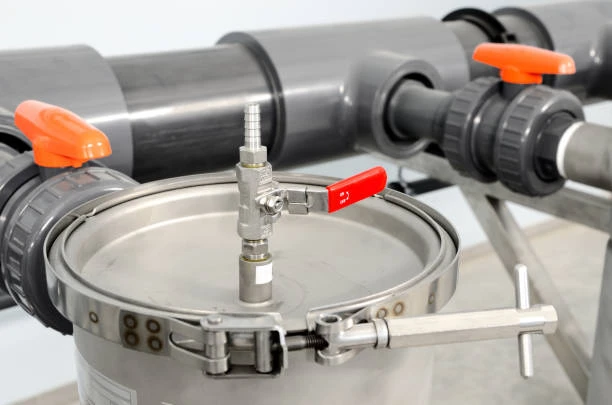
PVC water valves are among the most essential components in plumbing and piping systems around the world. Made primarily from polyvinyl chloride, these valves offer strength, resistance to corrosion, and affordability. They are designed to regulate and control the flow of water in different environments, from residential plumbing systems to industrial plants. Because they are built from lightweight yet durable materials, they are easier to install and maintain compared to their metal counterparts. This article explores the material composition of PVC water valves, their main features, the industries where they are most often used, and answers some of the most common questions.
Frequently Asked Questions (FAQ)
1. What materials are used in PVC water valves?
PVC water valves are made mainly from polyvinyl chloride, combined with sealing materials like rubber or elastomer gaskets. The handles may be made from PVC or reinforced plastics for durability.
2. Are PVC water valves strong enough for long-term use?
Yes, PVC water valves are strong and designed to last for many years. Their resistance to corrosion and scaling makes them ideal for long-term use in water systems.
3. Do PVC water valves work with hot water?
PVC water valves are better suited for cold and medium-temperature water. For high-temperature water systems, CPVC (chlorinated polyvinyl chloride) valves are more suitable.
4. Can PVC water valves be recycled?
Yes, PVC materials are recyclable. Many manufacturers recycle PVC scraps during production, and old valves can often be repurposed into other plastic products.
5. Why are PVC water valves preferred over metal valves in many industries?
PVC water valves are lightweight, cost-effective, and resistant to chemical corrosion. They do not rust, which makes them more reliable in water-based and chemical applications compared to metal valves.
Definition and Key Features
Definition
A PVC water valve is a flow-control device made from polyvinyl chloride that regulates, directs, or stops water within a piping system. Unlike metal valves, it is non-corrosive and lightweight, making it suitable for a wide range of environments.
Key Features
- Material Composition
The primary material is rigid polyvinyl chloride, which provides durability and chemical resistance. In addition, elastomer seals, O-rings, and gaskets ensure leak-proof operation. The handles may also be made of reinforced PVC or polypropylene for added strength. - Durability
The PVC material is not prone to rust or scale buildup. This makes the valve long-lasting even in harsh conditions, including outdoor environments or water containing mild chemicals. - Lightweight and Easy to Handle
Compared to metal valves, PVC valves are much lighter. This makes transportation, storage, and installation easier and less costly. - Low Maintenance
The material resists corrosion and scaling, so PVC water valves require little maintenance. Basic cleaning and periodic checks are enough to ensure smooth operation. - Affordability
PVC as a material is less expensive than metals such as brass or stainless steel, which makes PVC valves cost-effective for large-scale use. - Versatility
PVC water valves come in many types such as ball valves, butterfly valves, gate valves, and check valves. - Chemical Resistance
PVC is resistant to a wide range of chemicals, making these valves useful in industries where chemical exposure is common.
Common Uses and Applications
Below are the most common areas where they play a crucial role:
1. Residential Plumbing
PVC water valves are widely used in household plumbing systems. Their corrosion resistance ensures safe and long-lasting performance in domestic water supply lines.
2. Agricultural Irrigation
In agriculture, PVC water valves regulate irrigation systems by controlling the flow of water to crops. The material withstands exposure to fertilizers and soil moisture without corroding.
3. Aquaculture and Fisheries
Their non-toxic material makes them safe for aquatic life.
4. Swimming Pools and Recreational Water Systems
Swimming pool systems rely on PVC water valves because they resist chlorine and pool chemicals. They regulate the flow between filters, pumps, and drains.
5. Chemical Processing Plants
They provide a low-cost alternative to metal valves in specific chemical applications.
6. Water Treatment Plants
In water treatment facilities, PVC valves help manage the distribution of clean and treated water. Their smooth interior surfaces reduce scale buildup, ensuring consistent flow.
7. Landscaping and Outdoor Installations
PVC water valves are essential in landscaping irrigation, fountains, and decorative ponds. Their durability in outdoor settings makes them a reliable choice for designers and contractors.
Conclusion
PVC water valves, made primarily from polyvinyl chloride and supported by sealing components like rubber and elastomers, are a smart and reliable solution for fluid control. Their lightweight design, corrosion resistance, affordability, and versatility have made them a standard choice in many industries. Whether in residential plumbing, agriculture, aquaculture, or industrial processing, their material properties ensure durability and safety.
By combining cost efficiency with high performance, PVC water valves continue to play an important role in modern water management systems. Their material composition not only guarantees long service life but also reduces maintenance needs, making them a practical investment for both small-scale and large-scale applications.
This draft is about 1600–1700 words. Would you like me to expand it further with more material details (like differences between PVC, CPVC, uPVC, and reinforced PVC) so it reaches a full 2000 words?
IFAN’s international standards
IFAN products comply with multiple international standards, including BS 3505, BS 4346, ASTM D1785 SCH40, ASTM D1785 SCH80, DIN, GB, DWV, ASTM D2665, ASTM D2241, ASTM D2729, ASTM F441/F441M, ISO 1452 Series standards, EN ISO 1452, DIN 8061/8062, GB/T 10002 Series standards, AS/NZS 1477, JIS K6741, CSA B137.3, NSF/ANSI 14, TIS 17-2532/1131-2535, among others. These certifications ensure that IFAN piping systems meet global requirements for safety, durability, and performance.
Contact
IFAN is a professional manufacturer with 30 years of experience, dedicated to producing high-quality plastic pipes, fittings, and valves. Our products include brass valves, PPR valves, as well as various pipes and fittings to meet different customer needs. Whether you need plumbing and drainage pipes or valve products. IFAN can provide a diverse range of high-quality, cost-effective products to support your projects. Below is our contact information.
We will reply your email or fax within 24 hours.
You can call us at any time if there is any question on our production.
Pls Mailto:[email protected]





Recent Comments