
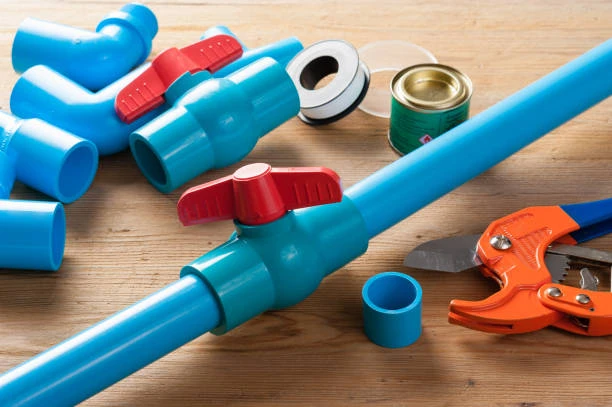
PVC water valves have become an essential component in modern plumbing systems. Known for their durability, lightweight design, and cost-effectiveness, they offer a practical solution for both residential and industrial water management. By combining long service life with easy installation, a PVC water valve ensures efficient water control in many environments. This article will explore the features, benefits, applications, and selection guidelines for PVC water valves, helping readers make informed decisions when choosing the right valve for their needs.
Frequently Asked Questions (FAQ)
1. What is a PVC water valve?
A PVC water valve is a control device made from polyvinyl chloride. It regulates water flow in pipelines by opening, closing, or partially restricting passage.
2. Why choose a PVC water valve over a metal valve?
PVC water valves are resistant to corrosion, lightweight, easier to install, and more affordable compared to traditional metal valves.
3. Are PVC water valves safe for drinking water systems?
Yes. Many PVC water valves meet strict certifications, such as NSF/ANSI standards, making them safe for potable water applications.
4. How long does a PVC water valve last?
With proper installation and maintenance, a PVC water valve can last over 20 years, even in demanding conditions.
5. Can PVC water valves handle high temperatures?
PVC water valves perform best in moderate temperature ranges. They are not suitable for extremely high-temperature applications, but CPVC valves are available for higher heat resistance.
Definition and Key Features of PVC Water Valves
A PVC water valve is a device designed to control, regulate, or stop the flow of water in piping systems. The material used is polyvinyl chloride, a thermoplastic polymer known for its strength and chemical resistance. Because of its composition, a PVC water valve provides unique benefits that traditional metal valves cannot always match.
Key features of PVC water valves include:
- Durability and long service life even under continuous use.
- Resistance to corrosion, rust, and chemical reactions.
- Lightweight structure that makes installation simple and fast.
- Smooth internal surface that reduces friction and maintains steady water pressure.
- Affordable cost compared to brass, steel, or copper valves.
- Availability in different sizes, shapes, and connection types.
- Compatibility with various plumbing standards and certifications.
Common Applications and Industries
PVC water valves are widely used in different fields because of their adaptability. In residential systems, they manage water supply for bathrooms, kitchens, irrigation systems, and garden setups. Their corrosion resistance ensures long-term performance in areas with varying water quality.
In agriculture, PVC water valves help regulate irrigation systems, control water flow to fields, and provide reliable operation even when exposed to fertilizers or chemicals. Industrial sectors use PVC water valves in water treatment plants, chemical handling facilities, and cooling systems where durability and chemical resistance are vital.
In municipal infrastructure, PVC water valves are essential for water distribution, sewage management, and stormwater control. They offer a lightweight yet strong solution that reduces maintenance costs for large-scale projects. Additionally, aquaculture and swimming pool industries also rely on PVC water valves because of their resistance to chlorine and other water treatment agents.
Buying Guide for PVC Water Valves
When selecting a PVC water valve, several factors must be considered to ensure reliable performance and safety.
- Material Quality
Choose valves made from high-grade PVC that comply with recognized standards. High-quality material ensures long life and prevents leaks or cracks. - Valve Type
Decide between ball valves, gate valves, butterfly valves, or check valves depending on your application. Ball valves are best for quick shutoff, while butterfly valves work well for larger pipelines. - Size and Connection
Select the right diameter to match your piping system. Pay attention to connection types, such as threaded, socket, or flanged, to ensure compatibility. - Color Coding
Some PVC valves come in color-coded designs to indicate pressure ratings or chemical resistance. Understanding these codes helps avoid mismatched usage. - Certifications
Look for products certified under standards such as ASTM, DIN, or NSF/ANSI. Certification guarantees safety for potable water and confirms durability. - Operating Conditions
Consider the temperature and pressure conditions of your system. If higher temperatures are expected, CPVC valves might be a better choice.
Related Content Based on the Article
- How to Install a PVC Water Valve in a Household System
- Differences Between PVC and CPVC Valves
- Maintenance Tips for Extending the Lifespan of PVC Water Valves
- Applications of PVC Water Valves in Irrigation and Agriculture
- Guide to Choosing Between Ball Valves and Butterfly Valves
PVC Water Valve vs Other Valve Materials
| Feature | PVC Water Valve | Metal Valves (Brass/Steel) | CPVC Valves |
|---|---|---|---|
| Corrosion Resistance | Excellent | Moderate to Low | Excellent |
| Weight | Very Light | Heavy | Light |
| Installation | Quick and Easy | Requires Tools and Effort | Quick and Easy |
| Cost | Affordable | More Expensive | Moderate |
| Temperature Range | Up to 60°C | Up to 200°C | Up to 90°C |
| Lifespan | 20+ Years | 15–20 Years | 20+ Years |
| Maintenance | Low | Higher | Low |
| Applications | Residential, Agriculture, Pools | Industrial, High-Temperature Use | Hot Water, Industrial Systems |
Conclusion
A PVC water valve provides a reliable, affordable, and versatile solution for water management across multiple industries. Its lightweight design, resistance to corrosion, and ease of installation make it one of the most practical choices for modern plumbing systems. Whether used in homes, farms, or industrial plants, PVC water valves consistently deliver dependable performance. When selecting a valve, consider material quality, certifications, and operating conditions to ensure the best results. By choosing the right PVC water valve, users can achieve efficient water control and long-term system reliability.
IFAN’s international standards
IFAN products comply with multiple international standards, including BS 3505, BS 4346, ASTM D1785 SCH40, ASTM D1785 SCH80, DIN, GB, DWV, ASTM D2665, ASTM D2241, ASTM D2729, ASTM F441/F441M, ISO 1452 Series standards, EN ISO 1452, DIN 8061/8062, GB/T 10002 Series standards, AS/NZS 1477, JIS K6741, CSA B137.3, NSF/ANSI 14, TIS 17-2532/1131-2535, among others. These certifications ensure that IFAN piping systems meet global requirements for safety, durability, and performance.
Contact
IFAN is a professional manufacturer with 30 years of experience, dedicated to producing high-quality plastic pipes, fittings, and valves. Our products include brass valves, PPR valves, as well as various pipes and fittings to meet different customer needs. Whether you need plumbing and drainage pipes or valve products. IFAN can provide a diverse range of high-quality, cost-effective products to support your projects. Below is our contact information.
We will reply your email or fax within 24 hours.
You can call us at any time if there is any question on our production.
Pls Mailto:[email protected]





Recent Comments