
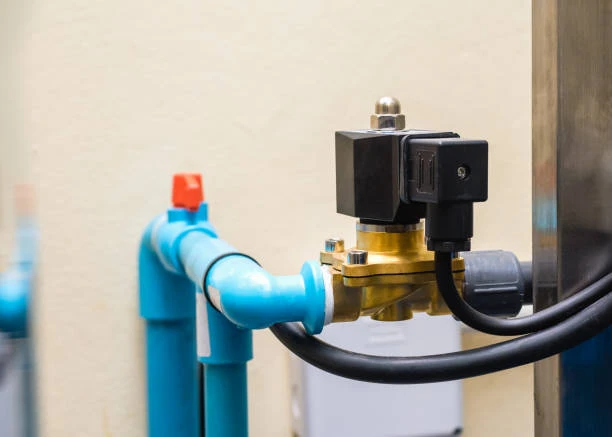
A PVC water valve plays a vital role in ensuring smooth and reliable water flow in modern plumbing systems. Because it combines durability, cost-effectiveness, and easy installation, it has become the preferred choice in many residential, agricultural, and industrial projects. Unlike heavy metal valves, a PVC water valve offers a lightweight yet sturdy solution that resists corrosion and chemical damage. As a result, people in different industries rely on PVC valves to maintain efficient water systems. In this article, you will learn about their definition, main features, common applications, buying tips, and comparisons with other materials so that you can select the right product with confidence.
Frequently Asked Questions (FAQ)
1. What is a PVC water valve?
A PVC water valve is a control device made of polyvinyl chloride that regulates water flow in pipelines.
2. Why should I choose a PVC water valve instead of a metal valve?
You should choose it because it resists corrosion, weighs less, installs faster, and costs less than most metal options.
3. Can I use a PVC water valve for drinking water?
Yes, you can safely use it for potable water systems if it carries NSF/ANSI or similar certifications.
4. How long will a PVC water valve last?
With proper installation and regular maintenance, it can serve you for more than twenty years.
5. Does a PVC water valve handle hot water?
It works best in cold or moderate conditions. For hotter applications, you should select a CPVC valve instead.
Definition and Key Features of PVC Water Valves
A PVC water valve controls, regulates, or stops the movement of water inside a piping system. Because it uses polyvinyl chloride as the base material, it combines strength with chemical resistance. Furthermore, it provides many practical benefits compared with traditional valves made from brass, copper, or steel.
The main features include the following:
- It lasts for decades under normal operating conditions.
- It resists corrosion, rust, and chemical attack.
- It feels light in weight, which makes installation quicker.
- It allows smooth water passage because of a low-friction inner surface.
- It comes in several types such as ball valves, gate valves, butterfly valves, and check valves.
- It costs less than metal alternatives but still performs reliably.
- It offers multiple connection options like threaded, socket, and flanged joints.
Together, these features explain why PVC water valves enjoy such wide use across different industries.
Common Applications and Industries
People use PVC water valves in many areas because they adapt easily to different environments. In households, they control water supply for bathrooms, kitchens, gardens, and irrigation systems. They also protect outdoor pipelines from corrosion, which often damages metal valves.
In agriculture, farmers rely on PVC water valves to manage irrigation networks. They regulate water delivery to fields and greenhouses, ensuring crops receive the right amount of water. Because the valves resist fertilizers and mild chemicals, they stay functional for long periods without frequent replacement.
In industrial facilities, engineers install PVC water valves in cooling systems, water treatment plants, and chemical processing lines. These valves keep systems efficient while reducing maintenance costs. Municipal projects also benefit from PVC valves because they combine low cost with high performance in water distribution and sewage management.
Another important field is aquaculture and swimming pools. Operators choose PVC valves because they tolerate chlorine and other water treatment agents. This property ensures consistent water quality for fish farms and pools while reducing the risk of damage to equipment.
Buying Guide for PVC Water Valves
When you select a PVC water valve, you should pay attention to several important factors. By following these guidelines, you can make a smarter decision.
- Material quality
Choose valves made with high-grade PVC that meets international standards. Good material prevents cracks and leaks under pressure. - Valve type
Pick the right design for your system. Ball valves work best for quick shutoff, butterfly valves suit larger pipes, gate valves control gradual flow, and check valves stop backflow. - Size and connection style
Always match the valve diameter with your pipeline. Also, check if you need threaded, socket, or flanged ends. - Color coding
Some manufacturers use colors to indicate pressure rating or chemical resistance. Learn these codes to avoid mistakes during selection. - Certifications
Look for certifications like ASTM, DIN, or NSF/ANSI. These approvals confirm safe use for potable water and guarantee reliable quality. - Pressure and temperature ratings
Check the maximum pressure and temperature for your application. If your system involves hot water, consider CPVC valves. - Cost and availability
PVC water valves usually cost less than metal valves, but prices vary. Choose a model that balances affordability with proven reliability.
Related Topics for Further Reading
- Installation steps for PVC water valves in residential plumbing
- Differences between PVC valves, CPVC valves, and metal valves
- Maintenance tips to extend the lifespan of PVC valves
- How PVC valves improve irrigation efficiency in agriculture
- Choosing between ball valves and butterfly valves for different systems
PVC Water Valve vs Other Valve Materials
| Feature | PVC Water Valve | Metal Valves (Brass/Steel) | CPVC Valves |
|---|---|---|---|
| Corrosion Resistance | Excellent | Moderate to Low | Excellent |
| Weight | Very Light | Heavy | Light |
| Installation | Easy and Fast | Slower and Labor-Intensive | Easy and Fast |
| Cost | Affordable | Expensive | Moderate |
| Temperature Range | Up to 60°C | Up to 200°C | Up to 90°C |
| Lifespan | 20+ Years | 15–20 Years | 20+ Years |
| Maintenance | Low | Higher | Low |
| Applications | Homes, Agriculture, Pools | Industry, High-Temperature Use | Hot Water, Industrial Use |
Conclusion
A high-quality PVC water valve ensures smooth water flow and dependable operation in any plumbing system. Because it resists corrosion, weighs less, and costs less than metal valves, it offers a smart and practical solution for both residential and industrial projects. You can rely on it for gardens, farms, pools, and even municipal water systems. When you choose a valve, always consider material quality, valve type, size, certification, and working conditions. By following these steps, you will enjoy efficient water control, lower maintenance costs, and long-lasting performance. Therefore, a PVC water valve stands as one of the most reliable choices for modern water management.
IFAN’s international standards
IFAN products comply with multiple international standards, including BS 3505, BS 4346, ASTM D1785 SCH40, ASTM D1785 SCH80, DIN, GB, DWV, ASTM D2665, ASTM D2241, ASTM D2729, ASTM F441/F441M, ISO 1452 Series standards, EN ISO 1452, DIN 8061/8062, GB/T 10002 Series standards, AS/NZS 1477, JIS K6741, CSA B137.3, NSF/ANSI 14, TIS 17-2532/1131-2535, among others. These certifications ensure that IFAN piping systems meet global requirements for safety, durability, and performance.
Contact
IFAN is a professional manufacturer with 30 years of experience, dedicated to producing high-quality plastic pipes, fittings, and valves. Our products include brass valves, PPR valves, as well as various pipes and fittings to meet different customer needs. Whether you need plumbing and drainage pipes or valve products. IFAN can provide a diverse range of high-quality, cost-effective products to support your projects. Below is our contact information.
We will reply your email or fax within 24 hours.
You can call us at any time if there is any question on our production.
Pls Mailto:[email protected]





Recent Comments