
Introduction: The Value of Testing a Braided Dishwasher Hose
A dishwasher is a vital appliance in many households, helping save time and water. But like any plumbing system, its safe and efficient operation depends on a small but critical component: the braided dishwasher hose. This hose connects your dishwasher to the water supply and must handle constant water pressure, heat, and movement. Over time, wear and tear may affect its performance. Regularly testing your braided dishwasher hose ensures that you catch any issues before they turn into costly leaks or failures. In this article, we’ll walk you through the importance of hose testing, common questions, how the hose works, where it’s used, and a step-by-step testing method.
Frequently Asked Questions (FAQ)
1. Why should I test a braided dishwasher hose?
Testing helps detect early signs of wear, blockage, or leaks that could lead to water damage, flooding, or dishwasher malfunction if left unaddressed.
2. How often should the hose be tested?
It’s ideal to test it every 6–12 months, especially in high-usage households. Frequent inspections are also recommended for older appliances or after moving the dishwasher.
3. What tools do I need to test the hose?
Basic tools like a flashlight, wrench, dry cloth, and a water pressure gauge can help. You won’t need any specialized equipment for a standard home inspection.
4. Can I test the hose myself?
Yes. With proper guidance, most homeowners can perform a safe and accurate hose test without needing professional help.
5. What are the signs that the hose has failed the test?
Signs include visible leaks, bulges, unusual sounds during operation, restricted water flow, or wetness around the fittings.
Definition and Key Features of a Braided Dishwasher Hose
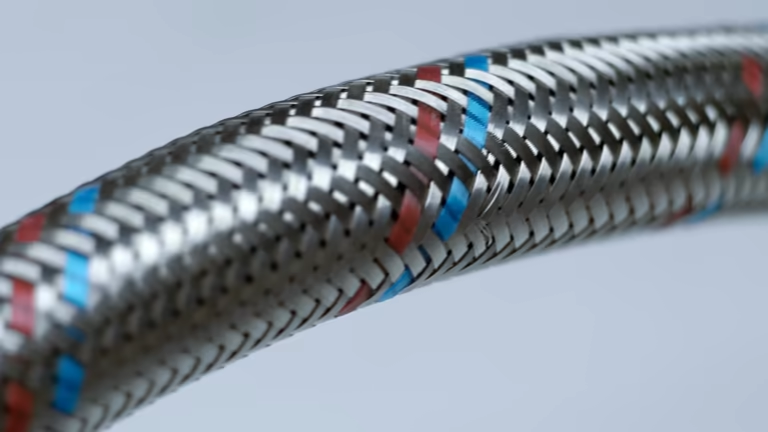
A braided dishwasher hose is a flexible water line designed to connect your dishwasher to the main water supply. It consists of an inner tube—typically made of rubber or reinforced polymer—surrounded by a tightly woven layer of stainless steel or synthetic braid. This construction provides superior strength, heat resistance, and flexibility.
Key features include:
- High-Pressure Resistance: The braided design distributes pressure evenly, minimizing the risk of bursting.
- Flexibility in Tight Spaces: The hose bends easily without kinking, making installation and adjustment simple.
- Corrosion Resistance: Stainless steel outer layers resist rust and corrosion, ensuring long service life.
- Leak Prevention: Tight-sealing fittings and rugged construction reduce the chances of water leakage.
- Compatibility: Most hoses are available in standard lengths and diameters, making them suitable for a wide variety of dishwashers.
Knowing how the hose is constructed helps you understand why proper testing is so important.
Common Uses and Industry Applications
The braided dishwasher hose is not limited to residential dishwashers. It serves a variety of roles in different industries due to its reliable and durable nature.
1. Residential Dishwashers
The primary use is in homes, where they connect the dishwasher to the under-sink water supply. Homeowners value their long-lasting performance and low maintenance.
2. Commercial Kitchens
In restaurants and food service operations, dishwashers run frequently and under high pressure. Braided hoses can withstand this heavy use and reduce the risk of plumbing failures.
3. Hospitality Industry
Hotels, resorts, and cafeterias use industrial dishwashers. Braided hoses are preferred because they perform reliably in demanding environments with constant water exposure.
4. Multi-Unit Housing
Landlords and maintenance professionals use braided hoses for apartment dishwashers because they are easy to install and durable, requiring less frequent replacement.
5. Portable or Mobile Installations
In food trucks, RVs, or temporary kitchens, braided hoses provide a secure, flexible water line that adapts to tight, movable spaces.
In each of these settings, regularly testing the hose ensures safety, reduces unexpected repairs, and extends the life of the equipment.
How to Test a Braided Dishwasher Hose: Step-by-Step Instructions
Testing a braided dishwasher hose doesn’t require complex tools or plumbing knowledge. Follow these clear steps to ensure your hose is in good working condition.
Step 1: Turn Off the Dishwasher and Water Supply
Start by switching off power to the dishwasher and turning off the water supply valve, usually located under the sink. This ensures a safe testing environment.
Step 2: Locate the Hose
Find the braided hose connecting the dishwasher to the water line. It typically runs from the back or side of the appliance to the water shut-off valve under the sink.
Step 3: Perform a Visual Check
Look for signs of visible damage:
- Frayed or broken braiding
- Rust on the connectors
- Bulging spots in the hose
- Moisture or water droplets around the fittings
If you see any of these, replacement may be necessary.
Step 4: Check for Leaks
Place a dry cloth or paper towel under the hose connections. Turn the water supply back on and run the dishwasher through a short cycle. After a few minutes, check the cloth. If it’s damp, you may have a small leak.
Step 5: Check Water Flow
Start a rinse cycle and observe the water entering the dishwasher. Low pressure or restricted flow may signal a blockage or kink in the hose.
Step 6: Test Water Pressure (Optional)
Use a water pressure gauge on the water line before it enters the hose. Standard pressure should be between 40–60 PSI. If the pressure drops significantly when the dishwasher runs, the hose may be clogged or restricted.
Step 7: Feel for Soft Spots
While the dishwasher is off and the hose is dry, gently press along the length of the hose. Soft or uneven spots may indicate internal damage or weak points that could burst later.
By performing this test every few months, you can stay ahead of potential problems and maintain your dishwasher’s efficiency.
Preventive Tips for Braided Hose Maintenance
In addition to testing, here are some helpful tips for keeping your braided dishwasher hose in top shape:
- Avoid Overbending: Keep the hose in a natural curve to avoid internal stress.
- Use Proper Length: Don’t stretch the hose too tightly. Choose a hose long enough to allow easy positioning.
- Secure the Hose: Use brackets or clips to prevent the hose from rubbing against sharp edges.
- Replace Aged Hoses: Even without visible damage, replace hoses every 5 to 7 years as part of routine maintenance.
- Inspect After Moving the Appliance: If the dishwasher is moved for cleaning or renovation, test the hose again afterward.
These habits minimize risk and keep your plumbing system safe.
Conclusion: Make Hose Testing Part of Regular Maintenance
The braided dishwasher hose is a small yet essential part of your kitchen plumbing. It ensures smooth water flow, protects against leaks, and supports the overall performance of your dishwasher. Regular testing is the best way to ensure this component functions reliably for years.
By following the testing steps outlined in this guide, you can identify issues early, avoid costly repairs, and maintain peace of mind. Whether you’re a homeowner, property manager, or technician, routine hose tests are a simple but powerful habit.
In the long run, spending a few minutes checking your braided dishwasher hose can save you hours of cleanup, damage repair, or appliance downtime. Stay ahead of problems—test regularly and replace as needed. Your dishwasher, and your kitchen, will thank you.
Contact
IFAN is a professional manufacturer with 30 years of experience, dedicated to producing high-quality plastic pipes, fittings, and valves. Our products include brass valves, PPR valves, as well as various pipes and fittings to meet different customer needs. Whether you need plumbing and drainage pipes or valve products. IFAN can provide a diverse range of high-quality, cost-effective products to support your projects. Below is our contact information.
We will reply your email or fax within 24 hours.
You can call us at any time if there is any question on our production.
Pls Mailto:[email protected]










Recent Comments