
Introduction: The Importance of Inspecting Your Braided Dishwasher Hose
A dishwasher is one of the most convenient appliances in a modern kitchen, but behind its smooth operation lies a key component—the braided dishwasher hose. This flexible hose connects your dishwasher to the water supply and plays a critical role in ensuring safe and leak-free operation. However, over time, even the most durable hoses can show signs of wear. Regular inspection of your braided dishwasher hose can prevent costly water damage, increase the appliance’s lifespan, and ensure optimal performance. This article will guide you through why inspection matters, how to check the hose properly, what signs to look for, and when to replace it.
Frequently Asked Questions (FAQ)
1. How often should I inspect my braided dishwasher hose?
It’s best to inspect the hose at least once a year, although checking every six months is ideal—especially if your dishwasher runs frequently.
2. What are the warning signs of a faulty braided dishwasher hose?
Common signs include bulges, rust spots, frayed braiding, moisture around the fittings, and unusual noises during operation.
3. Can I check the hose without disconnecting the dishwasher?
Yes. Most dishwashers allow access to the rear panel or the area under the sink, where you can visually inspect the hose without removing the appliance.
4. Is it dangerous to keep using a worn hose?
Absolutely. A damaged hose can leak or burst, leading to water damage, mold growth, and even electrical risks if the water reaches wiring or the dishwasher motor.
5. Should I hire a plumber for inspections?
While many inspections can be done by the homeowner, hiring a professional is a good option if you’re unsure about any signs or don’t feel comfortable handling plumbing components.
Definition and Key Features of a Braided Dishwasher Hose
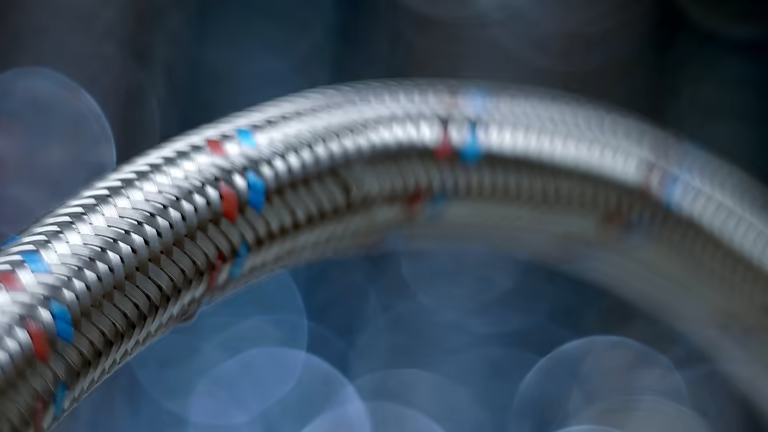
A braided dishwasher hose is a reinforced flexible tube designed to carry pressurized water from the household supply line to the dishwasher. Unlike standard plastic or rubber hoses, a braided hose contains an inner tubing—typically made of rubber or polymer—wrapped in a durable outer layer of stainless steel or synthetic fiber.
Here are the key features that make braided hoses popular:
- Pressure Resistance: The braided exterior helps distribute water pressure evenly, reducing the risk of bursts.
- Flexibility: Despite their strength, braided hoses are flexible enough to fit in tight spaces without kinking.
- Leak Reduction: High-quality fittings and reinforced construction help prevent leaks over time.
- Corrosion Resistance: Stainless steel braiding resists rust, which is critical in damp environments like under kitchen sinks.
- Long Lifespan: With proper care, these hoses can last significantly longer than rubber ones—often five to ten years.
Understanding how a braided hose is built helps you know where and what to inspect during routine checks.
Common Applications and Industries That Use Braided Dishwasher Hoses
Braided dishwasher hoses are widely used across different settings, thanks to their strength, reliability, and compatibility with various appliances.
1. Home Kitchens
The most common setting is the residential kitchen. Homeowners rely on braided hoses to connect dishwashers to water supply lines, thanks to their reliability and leak resistance.
2. Restaurants and Commercial Kitchens
In high-usage environments like restaurants, braided hoses provide a safe and durable solution to keep dishwashers running efficiently throughout long hours of operation.
3. Hotels and Hospitality
Hotels use commercial-grade dishwashers that require dependable connections. Braided hoses are ideal due to their durability under high pressure and constant usage.
4. Apartment Complexes
Property managers prefer braided hoses for their low maintenance needs and long-term reliability, reducing the frequency of emergency plumbing calls.
5. Mobile Installations
In RVs or food trucks, braided hoses offer both flexibility and strength to handle movement and vibration without failing.
In all these applications, regular inspection ensures the hose continues to perform as intended, avoiding potential breakdowns and water damage.
How to Inspect a Braided Dishwasher Hose Step-by-Step
Inspecting your dishwasher hose may sound technical, but it’s relatively easy if you follow a structured process. Here’s a simple step-by-step guide to make sure nothing gets overlooked:
Step 1: Turn Off Power and Water Supply
Before doing any inspection, ensure the dishwasher is powered off and the water supply valve is closed to avoid any accidents.
Step 2: Access the Hose
Most dishwasher hoses are located behind or beneath the unit. You can usually find it under the sink or by removing the dishwasher’s lower access panel.
Step 3: Visual Inspection
Look for the following signs:
- Corrosion on the metal braid or fittings.
- Bulging areas on the hose, which may indicate internal weakening.
- Kinks or bends that restrict water flow.
- Fraying of the stainless-steel mesh.
- Moisture or water puddles near the connections.
Step 4: Check the Fittings
Inspect both ends of the hose—at the dishwasher and the water supply. Ensure the fittings are tightly secured and there are no signs of rust, mineral buildup, or leaks.
Step 5: Flex the Hose Gently
While avoiding sharp bends, gently flex the hose to feel for soft spots, stiffness, or any cracking noises, which can suggest internal deterioration.
Step 6: Replace if Necessary
If you notice any warning signs, do not wait. A damaged hose should be replaced immediately with a new braided dishwasher hose of the correct length and connection size.
Regular inspection not only protects your appliance but also avoids potential structural damage from leaks.
Tips for Preventing Hose Failure
In addition to regular inspection, there are several practices that can extend the life of your braided dishwasher hose:
- Avoid Over-Tightening: When installing the hose, hand-tighten the connections before using a wrench. Over-tightening can damage the fittings or deform the hose.
- Maintain Clearance: Ensure the hose doesn’t rub against sharp surfaces or gets pinched behind cabinetry.
- Replace Every 5–7 Years: Even if no damage is visible, replacing the hose within its expected lifespan prevents surprise failures.
- Use Quality Products: Always choose hoses from reputable brands that offer warranties and meet plumbing standards.
- Inspect After Appliance Moves: If the dishwasher has been moved or serviced, recheck the hose alignment and fittings.
These habits ensure consistent performance and reduce the likelihood of plumbing emergencies.
Conclusion: Make Inspection a Routine
The braided dishwasher hose may not be the most glamorous part of your kitchen, but it is undoubtedly one of the most important. Ignoring this small but vital component can lead to unexpected leaks, water damage, and costly repairs. By performing regular inspections, you ensure not only the safety of your home but also the longevity of your appliance.
This guide has walked you through everything you need to know about inspecting your braided hose—from recognizing warning signs to proper inspection steps and maintenance tips. Whether you’re a homeowner trying to avoid a mess or a property manager maintaining multiple units, taking a few minutes to check your dishwasher hose can save you hours of headache in the future.
Stay proactive, inspect regularly, and keep your kitchen running smoothly with confidence.
Contact
IFAN is a professional manufacturer with 30 years of experience, dedicated to producing high-quality plastic pipes, fittings, and valves. Our products include brass valves, PPR valves, as well as various pipes and fittings to meet different customer needs. Whether you need plumbing and drainage pipes or valve products. IFAN can provide a diverse range of high-quality, cost-effective products to support your projects. Below is our contact information.
We will reply your email or fax within 24 hours.
You can call us at any time if there is any question on our production.
Pls Mailto:[email protected]








Recent Comments