
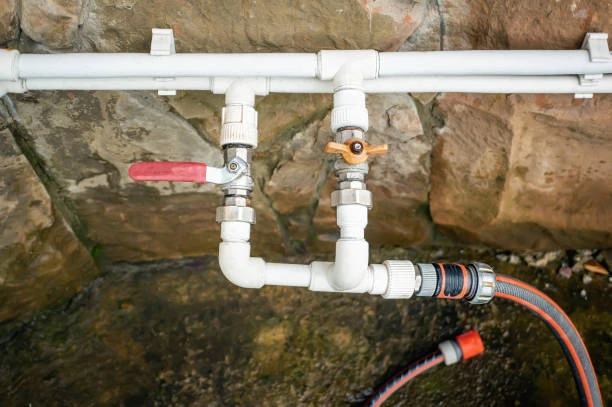
Threaded ball valves are critical components in piping systems, offering reliable flow control in industrial, commercial, and residential applications. Proper maintenance ensures longevity, optimal performance, and prevents costly downtime. This guide outlines actionable steps to maintain threaded ball valves effectively.
1. Perform Regular Visual Inspections
Routinely inspect threaded ball valves for signs of wear, corrosion, or physical damage. Check the valve body, threaded connections, and handle for cracks, leaks, or discoloration. Ensure the handle operates smoothly without excessive force. Address minor issues like surface rust immediately using appropriate cleaning agents or protective coatings. Early detection of problems prevents catastrophic failures.
2. Lubricate Moving Components
Apply a manufacturer-recommended lubricant to the valve stem and ball mechanism periodically. Lubrication reduces friction, prevents seizing, and maintains smooth operation. Focus on the stem seal area to preserve its integrity. Avoid over-lubrication, as excess grease can attract debris. For valves in high-temperature environments, use high-temperature-resistant lubricants.
3. Clean Valve Internals
Flush the valve body and internal components to remove sediment, scale, or debris buildup. Isolate the valve from the system, disassemble it carefully, and use a non-abrasive cleaner. Inspect the ball and seats for scratches or pitting. Reassemble only after ensuring all parts are dry and free of contaminants. Clean valves maintain consistent sealing and flow efficiency.
4. Test Seal Integrity
Verify the valve’s sealing performance by conducting a pressure test. Close the valve and pressurize the system to its operating limit. Observe for leaks around the stem, body, or threaded connections. If leaks persist, replace worn seals or gaskets. Use compatible sealing materials, such as PTFE or elastomers, based on the fluid type and temperature.
5. Check Threaded Connections
Inspect threads on the valve and adjoining pipes for cross-threading, stripping, or corrosion. Tighten loose connections using a torque wrench to avoid over-tightening, which can damage threads. Apply thread sealant or tape during reinstallation to ensure leak-free joints. Replace severely damaged threads promptly to maintain system integrity.
6. Monitor Operational Performance
Operate the valve regularly, even in systems with infrequent flow adjustments. Frequent use prevents the ball and stem from sticking due to prolonged inactivity. Note any unusual resistance, noise, or vibration during operation, as these may indicate internal damage or misalignment. Adjust or repair components as needed.
7. Store Spare Parts Strategically
Keep critical spare parts—such as seals, stems, and O-rings—readily available. Store them in a clean, dry environment to prevent degradation. Label parts by valve model and size for quick identification during emergencies. Proactive inventory management minimizes downtime during repairs.
8. Document Maintenance Activities
Maintain a log of inspections, repairs, and replacements. Record dates, observed issues, and corrective actions taken. Share this documentation with operators and technicians to track valve history and predict future maintenance needs. Consistent record-keeping supports informed decision-making and extends valve lifespan.
Conclusion
Proactive maintenance of threaded ball valves safeguards system reliability and reduces operational risks. By integrating regular inspections, lubrication, cleaning, and performance testing into your maintenance routine, you ensure these valves function efficiently for years. Prioritize quality parts, proper tools, and thorough documentation to maximize their service life.
Product Standards
PPR ball valves comply with several international standards to ensure quality and performance. ISO 15874 and EN 15874 establish the requirements for PPR piping systems, including mechanical properties and durability. ASTM F2389 defines the specifications for polypropylene pipes and fittings used in pressurized applications. DIN 8077/8078 sets the dimensional and material requirements for PPR pipes, ensuring compatibility with various valve types. GB/T 18742 outlines the technical parameters for PPR piping systems in China, covering aspects such as pressure resistance and thermal stability. NBR 15884 serves as the Brazilian standard for PPR pipes, guaranteeing compliance with local plumbing regulations. These standards ensure that PPR ball valves deliver reliable performance in residential, commercial, and industrial applications.
Contact
IFAN is a professional manufacturer with 30 years of experience, dedicated to producing high-quality plastic pipes, fittings, and valves. Our products include brass valves, PPR valves, as well as various pipes and fittings to meet different customer needs. Whether you need plumbing and drainage pipes or valve products. IFAN can provide a diverse range of high-quality, cost-effective products to support your projects. Below is our contact information.
We will reply your email or fax within 24 hours.
You can call us at any time if there is any question on our production.
Pls Mailto:[email protected]








Recent Comments