
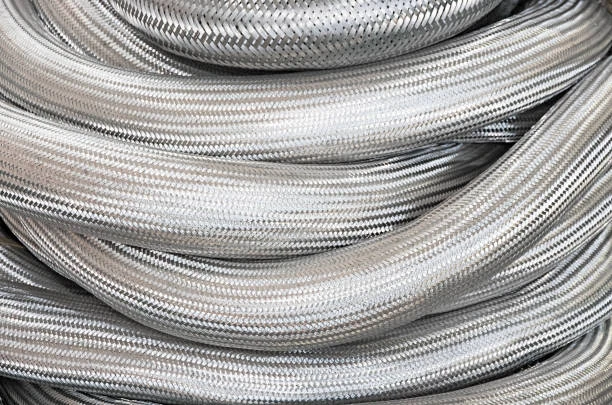
Stainless steel braided hoses are essential components across industries—used for plumbing, automotive, HVAC, chemical, and food-grade applications. Their key benefits include pressure resistance, corrosion protection, and high flexibility. However, no matter how advanced or durable the hose may be, its performance depends heavily on compatibility with systems, fittings, fluids, and environments.
Incorrect or mismatched components can lead to leaks, pressure failures, reduced efficiency, and costly maintenance. This article explores the critical aspects of compatibility when selecting and installing stainless steel braided hoses to ensure safe and efficient operation.
1. Compatibility with System Fittings and Connectors
a. Thread Type and Size
One of the most important compatibility concerns is the thread type on the hose ends. Stainless steel braided hoses come with various connectors such as:
- NPT (National Pipe Thread – U.S.)
- BSP (British Standard Pipe – UK/Europe)
- Metric threads (common in Asia and automotive)
- JIC or AN fittings (used in hydraulic applications)
Using mismatched thread types leads to poor sealing or cross-threading. Always match the hose fitting to the system’s existing thread standard.
✅ Tip: Use thread gauges or consult manufacturer documentation to verify compatibility.
b. Connector Types
Common stainless steel braided hose ends include:
- Male or Female Threaded Ends
- Flanged Ends (DIN, ANSI)
- Quick-Connect Couplings
- Compression Fittings
- Swivel Nuts
Choose the right end connection type based on how the hose will interface with the equipment. For instance, plumbing installations often require female-to-male connections, while industrial machines may demand flanged or compression-type ends.
2. Compatibility with Media (Fluids or Gases)
Stainless steel braided hoses are used to convey a wide variety of media. Ensuring chemical and material compatibility is crucial to prevent corrosion, contamination, or hose degradation.
a. Water
- Safe for potable water if certified
- Use hoses with EPDM or non-toxic inner linings for drinking water systems
b. Fuel and Oil
- PTFE-lined stainless steel braided hoses offer excellent resistance to hydrocarbons
- Avoid using EPDM-lined hoses with fuel—they degrade quickly
c. Chemical Fluids
- Match hose material (PTFE, FKM, etc.) with the chemical compatibility chart
- Verify pressure and temperature ratings for aggressive chemicals
d. Steam and High-Temperature Gases
- Use high-temperature-rated hoses with appropriate braiding (double-braided if necessary)
- Confirm compatibility of gaskets and seals with hot steam or vapor
3. Compatibility with Pressure and Temperature Ranges
Every stainless steel braided hose is rated for a specific working pressure and temperature range. Exceeding these limits can lead to rupture or hose failure.
| Hose Type | Max Working Pressure | Temperature Range |
|---|---|---|
| EPDM-lined | Up to 150 psi | -40°C to 120°C |
| PTFE-lined | Up to 3,000 psi | -70°C to 260°C |
| Silicone-lined | Up to 200 psi | -60°C to 180°C |
⚠️ Always check the manufacturer’s datasheet and match it with the application’s pressure and temperature requirements.
4. Compatibility with Hose Length and Bend Radius
a. Hose Length
Choose a hose length that avoids tension. Hoses that are too short may become strained during operation or vibration, leading to leaks or failures.
- Add slack of 10–15% in static installations
- For moving parts, calculate the length based on the full range of motion
b. Bend Radius
Every braided hose has a minimum bend radius, beyond which the inner tube may collapse or the braid may break.
- Respect the bend radius to avoid internal damage
- Use 90-degree elbow fittings if space is restricted
5. Compatibility with Environmental Conditions
Where and how the braided hose is used affects its long-term performance.
a. Corrosive Environments
In coastal, marine, or industrial environments with chemical exposure, standard stainless steel may corrode over time.
- Use 316 stainless steel for higher corrosion resistance compared to 304
- Consider PVC-coated braided hoses for extra external protection
b. Outdoor Installations
- Protect hoses from UV exposure using sleeves or shaded installation
- Ensure fittings are resistant to oxidation from rain and moisture
c. Vibration and Movement
In applications involving pumps, engines, or machinery, vibration resistance is crucial.
- Use swivel fittings to prevent torsional stress
- Add clamps or supports to stabilize the hose and prevent chafing
6. Compatibility with Standards and Certifications
To ensure system-wide compatibility, many industries require braided hoses to comply with certain regional or global standards, including:
- NSF/ANSI 61 for drinking water
- ISO 10380 for flexible metallic hose assemblies
- UL/cUL for fire-rated and safety applications
- FDA compliance for food and beverage use
✅ Always verify product certifications before installation in regulated environments.
7. Compatibility with Maintenance and Replacement Cycles
Even the best stainless steel braided hoses have a service life. Over time, exposure to high pressure, chemicals, or temperature cycling can cause wear.
- Choose hoses that are easy to remove and replace
- Label hose installation dates for tracking
- Maintain standardized fittings across systems for replacement compatibility
Conclusion: Choose the Right Hose, the Right Way
Stainless steel braided hoses are only as good as their compatibility with the systems they serve. Whether it’s about thread type, media resistance, pressure limits, or environmental conditions, ensuring proper compatibility is key to operational safety, efficiency, and durability.
Taking the time to match your braided hose with the correct specifications prevents:
- Leaks and failures
- Costly downtime
- Safety hazards
- Unnecessary maintenance
Contact
IFAN is a professional manufacturer with 30 years of experience, dedicated to producing high-quality plastic pipes, fittings, and valves. Our products include brass valves, PPR valves, as well as various pipes and fittings to meet different customer needs. Whether you need plumbing and drainage pipes or valve products. IFAN can provide a diverse range of high-quality, cost-effective products to support your projects. Below is our contact information.
We will reply your email or fax within 24 hours.
You can call us at any time if there is any question on our production.
Pls Mailto:[email protected]



Recent Comments