
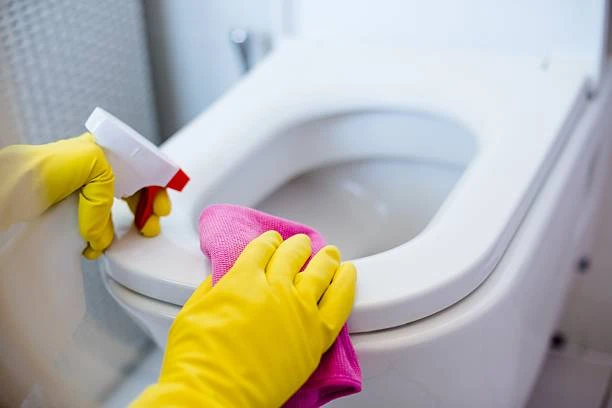
1. Introduction: The Importance of Cleaning Your Wall Mounted Tap
A wall mounted tap is more than just a stylish fixture—it’s a vital part of your kitchen or bathroom plumbing. However, like all hardware, it requires regular cleaning and maintenance to preserve both function and appearance. Over time, taps can accumulate limescale, soap residue, and grime, especially in areas with hard water. This buildup not only affects the aesthetic appeal of the tap but can also lead to poor water flow and even internal damage. Fortunately, with the right techniques and products, you can keep your wall mounted tap looking and performing like new.
2. Understanding the Tap’s Material and Finish
Before beginning any cleaning process, it’s essential to identify the material and finish of your wall mounted tap. Taps come in various finishes such as chrome, matte black, brushed nickel, brass, and stainless steel. Each of these materials reacts differently to cleaning agents. For instance, acidic cleaners can tarnish or corrode brass and matte finishes, while abrasive scrubbers may scratch polished chrome. Always refer to the manufacturer’s care instructions to avoid causing irreversible damage. Choosing the right method starts with understanding the surface you’re working with.
3. Daily Maintenance: A Quick Wipe Goes a Long Way
To prevent buildup and water stains, develop a habit of daily maintenance. After each use or at the end of the day, wipe the tap gently with a soft microfiber cloth or sponge. This removes any water droplets, soap splashes, or fingerprints that may have accumulated. For stainless steel and chrome finishes, a simple mixture of warm water and mild dish soap is sufficient. This quick task takes less than a minute but significantly extends the life and beauty of your wall mounted tap.
4. Deep Cleaning: Removing Limescale and Stains
Even with daily care, periodic deep cleaning is necessary—especially in regions with hard water. Limescale can form around the base of the tap and aerator, causing visible white spots and reducing water pressure. To remove it, soak a soft cloth in a 1:1 mixture of white vinegar and water, then wrap it around the affected areas for 10–15 minutes. Afterwards, gently scrub with a toothbrush or non-abrasive sponge. Rinse thoroughly and dry. For stubborn mineral deposits, repeat the process or use a tap-safe descaler.
5. Cleaning the Aerator: Restoring Water Flow
The aerator—the small mesh at the tip of the spout—can become clogged with debris, affecting water flow. To clean it, unscrew the aerator using your fingers or a cloth-covered wrench to avoid scratching the surface. Soak the aerator parts in vinegar for 30 minutes to dissolve buildup. Then, use a soft brush to remove any remaining particles. Rinse all components thoroughly and reassemble. Regular cleaning of the aerator (every few months) ensures steady water pressure and prevents internal corrosion.
6. Avoiding Common Mistakes
When cleaning a wall mounted tap, many users unknowingly make mistakes that lead to wear or damage. Avoid harsh chemicals, such as bleach or abrasive bathroom cleaners, unless specified as safe for your specific tap material. Similarly, never use steel wool, scouring pads, or rough brushes. These can scratch or dull the finish. Always test any cleaning product on a small, inconspicuous area before applying it to the entire tap. Furthermore, be cautious around joints and seals to avoid loosening or damaging internal components.
7. Preventive Maintenance Tips
Besides cleaning, preventive maintenance helps keep your wall mounted tap in optimal condition. Check periodically for leaks at the joints or around the spout, as small drips can lead to bigger plumbing problems over time. Also, monitor water flow for signs of blockage. Lubricate moving parts with plumber-recommended silicone grease if they become stiff. In areas with extremely hard water, consider installing a water softener system to reduce mineral buildup inside the tap. Regular inspections ensure minor issues are addressed before they become costly repairs.
8. Conclusion: Keep Your Wall Mounted Tap Looking and Working Like New
Proper care and cleaning of your wall mounted tap not only enhances its appearance but also ensures long-term performance. From understanding the right materials and cleaners to practicing daily upkeep and regular deep cleans, every step contributes to maintaining your tap’s value. Remember, a clean tap is also a hygienic one—particularly in spaces like kitchens and bathrooms where sanitation matters. By following these expert tips, you can enjoy the durability, functionality, and elegance of your wall mounted tap for many years to come.
IFAN CPVC fittings adhere to ASTM2846, DIN 8079/8080,ASTM F441/F441M SCH80,DINGB/T 18993, AS/NZS 1477, CSA B137.6, NSF/ANSI 14, and TIS standards, ensuring top quality!
Contact
IFAN is a professional manufacturer with 30 years of experience, dedicated to producing high-quality plastic pipes, fittings, and valves. Our products include brass valves, PPR valves, as well as various pipes and fittings to meet different customer needs. Whether you need plumbing and drainage pipes or valve products. IFAN can provide a diverse range of high-quality, cost-effective products to support your projects. Below is our contact information.
We will reply your email or fax within 24 hours.
You can call us at any time if there is any question on our production.
Pls Mailto:[email protected]







Recent Comments