
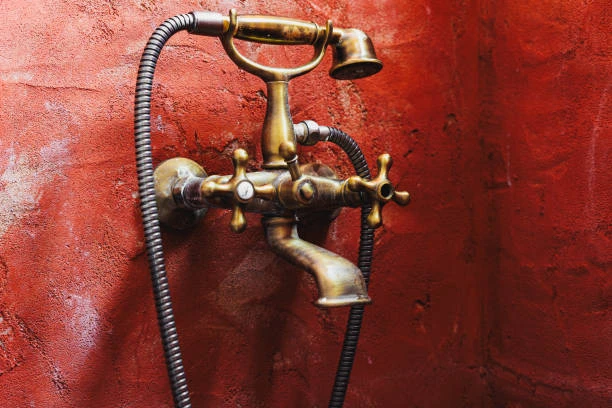
1. Introduction: Why Choose a Wall Mounted Tap?
In modern plumbing and interior design, the wall mounted tap has become a popular choice for homeowners, architects, and designers. Unlike traditional deck-mounted faucets, wall mounted taps offer a sleek appearance, maximize counter space, and deliver a minimalist aesthetic. However, beyond visual appeal, selecting the right model requires attention to technical details, compatibility, and functional needs. In this guide, we explore all the essential factors that go into choosing the perfect wall mounted tap for your bathroom, kitchen, or commercial project.
2. Consider the Application Area
Before anything else, it’s important to determine where the wall mounted tap will be installed—bathroom, kitchen, utility room, or even outdoors. Each area has different usage patterns and functional requirements. For instance, a bathroom tap may focus more on aesthetics and comfortable flow, while a kitchen tap needs to handle larger volumes of water and may require a longer reach. In commercial environments, such as public restrooms or restaurants, durability and hygiene often take priority. Identifying the intended application helps narrow down the most suitable features and styles.
3. Match with Basin or Sink Type
One of the most crucial aspects of selecting a wall mounted tap is ensuring it works seamlessly with the basin or sink. Because the tap is mounted above the sink, you need to measure the spout length and height carefully. The water should fall directly into the center of the basin without splashing. Vessel sinks, for example, typically sit on top of the counter, requiring a longer spout reach. Undermount sinks may need a lower spout height. Additionally, verify that the wall structure allows for the necessary pipe spacing behind the basin.
4. Choose Between Single or Dual Handle Designs
Wall mounted taps are available in two main handle configurations: single-handle and dual-handle. A single-handle tap integrates hot and cold water controls into one lever, offering simplicity and a modern appearance. It’s ideal for contemporary bathrooms or kitchens where minimalism is preferred. On the other hand, dual-handle taps separate hot and cold controls, often used in more traditional or classic interiors. The choice depends on both style preference and how precisely you want to control the water temperature and flow rate.
5. Select the Right Material and Finish
Material choice affects not only the durability of a wall mounted tap but also its maintenance and appearance. High-quality taps are usually made of solid brass, stainless steel, or a durable zinc alloy. These materials resist corrosion and ensure long-lasting performance. The finish—such as chrome, matte black, brushed nickel, or antique brass—should complement other fixtures and decor in the space. Matte finishes tend to hide fingerprints and water spots better, while polished finishes offer a clean, reflective look but may require more frequent cleaning.
6. Check Valve Type and Mechanism
The internal valve is a key component that controls how smoothly your wall mounted tap functions. Most premium models use ceramic disc valves, which provide excellent control, long service life, and reliable sealing to prevent drips. Inferior valve mechanisms like compression washers wear out quickly and are more prone to leaks. Additionally, if water temperature stability is a concern, consider taps with built-in thermostatic valves or pressure balance features. These ensure a consistent mix of hot and cold water, especially in homes with fluctuating water pressure.
7. Plan for Installation and Plumbing Compatibility
Installing a wall mounted tap requires more planning than a standard faucet, particularly because the plumbing must be hidden inside the wall. Ensure that your wall cavity allows enough space for the tap’s valve body and connections. The installation also involves rough-in plumbing before the wall surface is finished. Therefore, it’s best suited for new builds or major renovations. Always verify that the tap’s inlet spacing matches your plumbing layout. Hiring a licensed plumber is highly recommended to avoid mistakes and ensure leak-free operation.
8. Budget and Brand Reliability
While wall mounted taps range in price, investing in a high-quality model from a trusted brand is often the best long-term choice. Cheaper options may lack durability, use lower-quality materials, or have poorly designed mechanisms that fail over time. Reputable brands often offer extended warranties and consistent quality control. Additionally, consider ongoing availability of replacement parts or accessories. Spending a bit more upfront can save you money on repairs and replacements in the future.
Conclusion: Balance Style, Performance, and Practicality
Choosing the right wall mounted tap involves a combination of style preference, technical understanding, and forward planning. From matching the spout to your sink to ensuring proper plumbing integration, every step matters in achieving a seamless and satisfying result. With careful selection based on the guidance above, you can enjoy a tap that not only enhances your space visually but also performs reliably for years to come.
IFAN CPVC fittings adhere to ASTM2846, DIN 8079/8080,ASTM F441/F441M SCH80,DINGB/T 18993, AS/NZS 1477, CSA B137.6, NSF/ANSI 14, and TIS standards, ensuring top quality!
Contact
IFAN is a professional manufacturer with 30 years of experience, dedicated to producing high-quality plastic pipes, fittings, and valves. Our products include brass valves, PPR valves, as well as various pipes and fittings to meet different customer needs. Whether you need plumbing and drainage pipes or valve products. IFAN can provide a diverse range of high-quality, cost-effective products to support your projects. Below is our contact information.
We will reply your email or fax within 24 hours.
You can call us at any time if there is any question on our production.
Pls Mailto:[email protected]










Recent Comments