
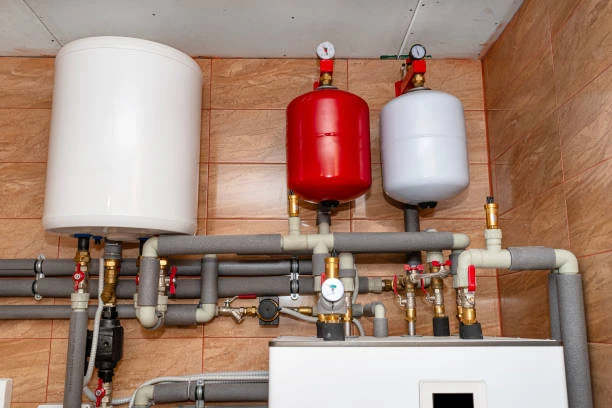
Radiant heat tubing is the essential component that makes modern hydronic heating systems possible, circulating warm water to provide consistent and efficient comfort. This comprehensive guide delves into the intricate world of how manufacturers produce and process this specialized tubing, exploring the transformation from raw materials to finished product. We will examine the key manufacturing methods, answer common questions about production quality. Review the material’s fundamental characteristics, and highlight its diverse applications across industries. Understanding these manufacturing processes helps everyone from contractors to homeowners appreciate the engineering excellence behind reliable radiant heating systems.
Frequently Asked Questions (FAQ)
1. What is the most common method for manufacturing PEX radiant heat tubing?
Manufacturers primarily use three methods to create cross-linked polyethylene (PEX) tubing: PEX-A, PEX-B, and PEX-C. The PEX-A method, which uses the Engel process with peroxide during extrusion, often produces the most flexible tubing with the highest cross-linking density. The PEX-B method utilizes a moisture-cure silane process, while PEX-C employs an electron beam irradiation process to form the molecular bonds.
2. How does the oxygen barrier get applied to the tubing?
Most high-quality radiant heat tubing features an oxygen diffusion barrier.This process happens simultaneously during the main extrusion process, creating a permanent, bonded layer that prevents oxygen from permeating the tube wall and corroding system components. Some manufacturers may use a later coating process, but co-extrusion generally provides a more durable and reliable barrier.
3. What quality control measures ensure tubing reliability during production?
Reputable manufacturers implement rigorous quality control protocols throughout production. These measures include continuous monitoring of extrusion temperatures and pressures, regular sampling for hydrostatic pressure testing to verify burst strength, and checks for consistent dimensions and cross-linking density.
4. Can manufacturers produce custom tubing lengths and colors?
Yes, many tubing producers offer customization options for specific project requirements. While standard coils typically come in 300-foot or 500-foot lengths, manufacturers can accommodate requests for much longer continuous lengths for large commercial projects.
5. How does the manufacturing process affect the tubing’s flexibility and memory?
The manufacturing method significantly influences the tubing’s physical properties. PEX-A tubing, known for its superior flexibility, has a greater molecular cross-linking density that allows it to be more pliable at lower temperatures and to have less memory, meaning it uncoils more easily. These characteristics directly affect installation ease and are important considerations for manufacturers when selecting their production process.
Basic Definition and Key Characteristics
Radiant heat tubing represents a specialized category of flexible polymer piping specifically engineered for hydronic heating applications. At its core, this tubing functions as a conduit for heated water, transferring thermal energy through floors, walls, or ceilings to provide comfortable, even warmth. The manufacturing process transforms raw polyethylene material into a durable, cross-linked structure with enhanced thermal and pressure capabilities.
The production of radiant heat tubing creates several defining characteristics that distinguish it from conventional plumbing pipes. First, the cross-linking process fundamentally alters the molecular structure of polyethylene, creating a three-dimensional network of bonds that dramatically improves the material’s performance at elevated temperatures and under continuous pressure. This cross-linking gives the tubing its remarkable durability and resistance to creep deformation, ensuring it maintains its integrity over decades of use.
Additionally, the manufacturing process imparts exceptional chlorine resistance to the tubing. A critical feature since many water sources contain chlorine compounds that can degrade conventional plastics over time. The co-extrusion process for adding oxygen barrier protection represents another key characteristic, as it creates a permanent bonded layer that prevents oxygen permeation without compromising the flexibility or durability of the tubing.
The manufacturing also ensures consistent internal smoothness, which minimizes flow resistance and reduces pumping energy requirements.
Common Uses and Application Industries
The manufacturing processes for radiant heat tubing enable its use across a diverse spectrum of applications and industries, each with specific performance requirements that influence production specifications.
Residential Construction: This represents the largest market for radiant heat tubing manufacturers. Manufacturers must ensure their products can withstand the alkalinity of concrete and the mechanical stresses of installation in these varied environments.
Commercial and Institutional Buildings: For large-scale projects like office complexes, schools, and healthcare facilities, manufacturers often produce tubing in extra-long continuous lengths to minimize connections in large-area pours. They also develop tubing with enhanced durability characteristics to withstand the more demanding conditions of commercial construction. The manufacturing process for these applications emphasizes consistency in diameter and wall thickness to ensure uniform flow distribution across extensive systems.
Industrial Applications: Manufacturing plants and warehouses frequently use radiant heat tubing in floor heating systems. For these environments, manufacturers might produce tubing with increased chemical resistance for areas where potential spills could occur. The processing parameters are carefully controlled to create tubing that maintains its properties in environments with heavier loads and more extreme temperature variations.
Snow and Ice Melting Systems: This specialized application requires manufacturers to create tubing with particularly robust construction characteristics.
Conclusion
In summary, the manufacturing and processing of radiant heat tubing represents a sophisticated blend of materials science, precision engineering, and quality management. The production journey from raw polyethylene pellets to finished, coiled tubing involves multiple critical processes that ultimately determine the performance, reliability, and longevity of the installed heating systems. Understanding these manufacturing aspects helps specifiers, contractors, and building owners appreciate the value engineering embedded in quality radiant heat tubing.
IFAN’s international standards
IFAN products comply with multiple international standards, including BS 3505, BS 4346, ASTM D1785 SCH40, ASTM D1785 SCH80, DIN, GB, DWV, ASTM D2665, ASTM D2241, ASTM D2729, ASTM F441/F441M, ISO 1452 Series standards, EN ISO 1452, DIN 8061/8062, GB/T 10002 Series standards, AS/NZS 1477, JIS K6741, CSA B137.3, NSF/ANSI 14, TIS 17-2532/1131-2535, among others. These certifications ensure that IFAN piping systems meet global requirements for safety, durability, and performance.
Contact
IFAN is a professional manufacturer with 30 years of experience, dedicated to producing high-quality plastic pipes, fittings, and valves. Our products include brass valves, PPR valves, as well as various pipes and fittings to meet different customer needs. Whether you need plumbing and drainage pipes or valve products. IFAN can provide a diverse range of high-quality, cost-effective products to support your projects. Below is our contact information.
We will reply your email or fax within 24 hours.
You can call us at any time if there is any question on our production.
Pls Mailto:[email protected]





Recent Comments