
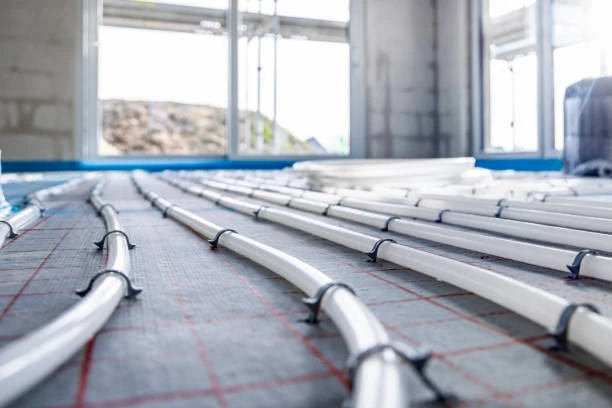
Radiant heat tubing serves as the critical component in modern hydronic heating systems, providing efficient and comfortable warmth by circulating heated water through floors, walls, or ceilings. This comprehensive guide focuses specifically on the essential aspects of storing this specialized tubing, highlighting how proper仓储 practices directly impact its performance, durability, and installation success.
Frequently Asked Questions (FAQ)
1. Why does proper storage matter for radiant heat tubing?
Correct storage is crucial for preserving the tubing’s material integrity. Exposure to ultraviolet (UV) light, extreme temperatures, physical pressure, or ozone can cause premature aging, reduce flexibility, and potentially lead to failure after installation. Proper storage ensures the product remains in perfect condition until it is ready to be used.
2. What are the ideal conditions for storing PEX-based radiant tubing?
The ideal storage environment is a cool, dry, and indoor space such as a warehouse or garage. It should be away from direct sunlight, high temperatures, and any chemicals or solvents that might produce ozone. Furthermore, you should keep the tubing in its original protective packaging until the moment of installation.
3. How should we store coiled tubing to prevent damage?
You should always store coils either lying flat on a level surface or on a dedicated shelving system designed for cylindrical objects. Never stand coils on their edge, as this can cause deformation and lead to kinks. Also, avoid stacking heavy objects on top of the coils to prevent crushing or compression.
4. Can we store radiant heat tubing outdoors?
We strongly advise against outdoor storage. Even if the tubing is under a tarp, it remains vulnerable to temperature fluctuations, UV exposure, condensation, and potential damage from pests or other environmental hazards. Always prioritize indoor storage for optimal protection.
5. What is the maximum recommended stacking height for coiled tubing?
While this can vary by manufacturer and coil size, a general best practice is to stack coils no more than three high. You should also place larger, heavier coils at the bottom of the stack and smaller, lighter ones on top. Always follow the specific stacking guidelines provided by the tubing manufacturer.
Basic Definition and Key Characteristics
Radiant heat tubing is a flexible, synthetic pipe, primarily made from cross-linked polyethylene (PEX), that professionals use to build hydronic radiant heating systems. These systems function by pumping controlled-temperature water through the continuous loops of tubing, transferring heat directly to the floor mass, which then radiates warmth evenly into the living space.
This tubing possesses several key characteristics that directly influence its storage requirements. First, the PEX material, while highly durable, is susceptible to degradation from prolonged exposure to ultraviolet light. This sensitivity makes protective storage away from sunlight absolutely essential. Second, the tubing’s flexibility, one of its greatest assets, also makes it prone to developing kinks or permanent bends if stored under pressure or in an improper position. You must handle and store the tubing carefully to avoid compromising this delicate barrier through scraping or abrasion.
Understanding these inherent traits helps us appreciate why storage is not merely a logistical concern but a fundamental aspect of preserving the product’s quality and functionality.
Common Uses and Application Industries
The applications for radiant heat tubing are vast and span numerous industries, which means storage considerations are relevant for a wide audience, from homeowners to large-scale commercial contractors.
Residential Construction: This is the most common application. Contractors install the tubing in new homes, renovations, and custom projects. In these settings, proper storage often occurs on-site in a garage or basement before the installation phase. Ensuring the tubing remains clean, undamaged, and at a stable temperature is key to a smooth installation process.
Commercial and Institutional Buildings: Large-scale projects like office buildings, schools, hospitals, and airports frequently use radiant heating for its efficiency and comfort. Here, storage becomes a larger logistical operation. Construction firms typically receive bulk shipments of tubing on pallets and must store them in a secure, organized, and protected laydown area to manage inventory and prevent loss or damage before distribution to different building zones.
Industrial and Agricultural Settings: Factories use in-floor radiant heat to keep large spaces comfortable, while agricultural businesses use it for soil warming in greenhouses and for keeping livestock areas warm. In these environments, storage spaces might be less controlled, making it even more critical to keep the tubing in its original packaging until needed to shield it from dust, moisture, and chemical exposure.
Specialized Snow Melt Systems: Engineers often embed heavy-duty tubing beneath driveways, sidewalks, and tarmacs to melt snow automatically. These projects involve large quantities of tubing that may be delivered well before the installation date, requiring secure, long-term outdoor storage solutions. In these rare cases, using a fully sealed and weatherproof storage container becomes necessary, though indoor storage remains the strongly preferred option.
Hospitality and Recreation: Spas, luxury hotels, and sports facilities use radiant heat in bathrooms, pool decks, and locker rooms. For these high-end projects, maintaining the pristine condition of the materials is paramount. Storage often happens in a clean, dedicated room to prevent any scratches, dirt, or damage that could affect the system’s performance or the installer’s ability to work efficiently.
Conclusion
In conclusion, radiant heat tubing is a sophisticated and highly effective technology that demands careful handling from the moment it leaves the manufacturer until its final installation. Its performance and longevity are intrinsically linked to how we store it. By prioritizing ideal storage conditions—a cool, dark, indoor environment with the tubing kept in its original packaging and stacked responsibly—we protect the significant investment these systems represent.
IFAN’s international standards
IFAN products comply with multiple international standards, including BS 3505, BS 4346, ASTM D1785 SCH40, ASTM D1785 SCH80, DIN, GB, DWV, ASTM D2665, ASTM D2241, ASTM D2729, ASTM F441/F441M, ISO 1452 Series standards, EN ISO 1452, DIN 8061/8062, GB/T 10002 Series standards, AS/NZS 1477, JIS K6741, CSA B137.3, NSF/ANSI 14, TIS 17-2532/1131-2535, among others. These certifications ensure that IFAN piping systems meet global requirements for safety, durability, and performance.
Contact
IFAN is a professional manufacturer with 30 years of experience, dedicated to producing high-quality plastic pipes, fittings, and valves. Our products include brass valves, PPR valves, as well as various pipes and fittings to meet different customer needs. Whether you need plumbing and drainage pipes or valve products. IFAN can provide a diverse range of high-quality, cost-effective products to support your projects. Below is our contact information.
We will reply your email or fax within 24 hours.
You can call us at any time if there is any question on our production.
Pls Mailto:[email protected]









Recent Comments