
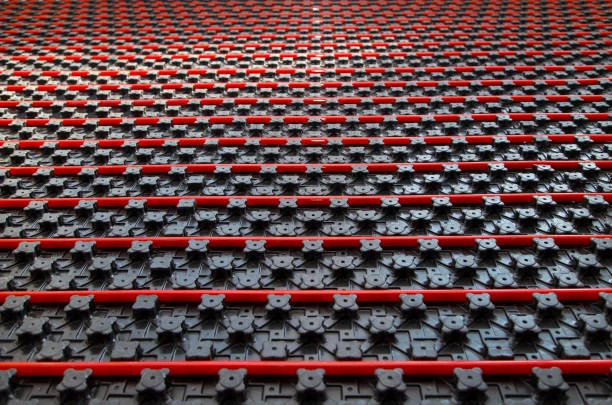
Choosing the right material for your floor heating pipes is one of the most critical decisions you will make for your radiant heating system. The material directly impacts the system’s efficiency, longevity, and overall performance. Modern advancements have provided us with several robust options, each with unique benefits. This comprehensive guide will explore the essential materials used in hydronic floor heating systems. We will answer common questions, define key characteristics, and examine their widespread applications. Understanding these materials will empower you to make an informed choice, ensuring decades of reliable and efficient warmth for your home or building.
Basic Definition and Key Characteristics
Floor heating pipes are flexible tubes that carry warm water. They form a circuit under the floor to provide radiant heat. The material of these pipes determines their functionality and lifespan.
The most common material today is PEX-a (Cross-linked Polyethylene). Manufacturers create it using a special process. This process gives the pipe exceptional flexibility and durability. It has a long molecular memory. This means it can withstand kinks and often return to its original shape. It also resists scale buildup and corrosion extremely well.
Another popular type is PEX-al-PEX, or multilayer composite pipe. This pipe has a thin aluminum layer sandwiched between two layers of PEX. The aluminum layer acts as an oxygen barrier. This protection prevents oxygen from permeating the pipe wall and corroding other metal components in the system. It also makes the pipe more rigid, which helps it hold its shape during installation.
PERT (Polyethylene of Raised Temperature Resistance) is also a frequent choice. It is very flexible and easy to install. While it generally has a slightly lower temperature resistance than PEX, it is a cost-effective and reliable option for many residential applications.
All these polymer pipes share key advantages. They are highly flexible for easy installation. They offer excellent resistance to chemical and scale buildup. Their smooth interior minimizes flow resistance, enhancing system efficiency.
Frequently Asked Questions (FAQ)
1. What is the best material for floor heating pipes?
PEX-a is often considered the premium choice. It offers superior flexibility, durability, and temperature resistance. Its strong molecular memory makes it very resistant to damage during installation. For most residential applications, PEX-a provides an excellent balance of performance and value.
2. Why is an oxygen barrier important?
Oxygen diffusion into the system can cause rust in boilers, pumps, and other metal parts. This corrosion can lead to reduced efficiency and component failure. PEX-al-PEX pipes have a built-in aluminum layer that acts as a superb oxygen barrier, protecting the entire system.
3. How long do these pipes typically last?
High-quality PEX and PERT pipes have an exceptionally long service life. Manufacturers often offer 25-year or even 50-year warranties. When installed correctly within a closed system, these pipes can easily last for decades without any issues.
4. Can these pipes handle high water temperatures?
Yes, modern polymer pipes are rated for high temperatures. PEX-a can typically handle continuous operating temperatures up to 200°F (93°C). This rating is more than sufficient for hydronic floor heating, which operates at much lower temperatures for efficiency.
5. Are there any environmental concerns with these materials?
Modern PEX and PERT pipes are very safe and stable. They meet strict international drinking water safety standards, even though they are used in closed loops. These materials are also lead-free and corrosion-resistant, ensuring a clean system for years.
Common Uses and Application Industries
The application of these pipe materials is vast and varied. Their primary use is in residential radiant floor heating. Homeowners choose them for bathrooms, kitchens, and entire homes. The material’s flexibility allows installation in various floor constructions, including concrete slabs and wooden subfloors.
The commercial construction industry relies heavily on these materials. Office buildings, hotels, and hospitals use them for comfortable, silent heating. The durability of PEX and PERT ensures a long service life with minimal maintenance, which is crucial for large facilities.
Industrial applications are also common. Factories and warehouses use these pipes for space heating. The corrosion resistance is a key benefit here, as it ensures reliability even in demanding environments. Snow melt systems for driveways, ramps, and airport tarmacs also depend on the robustness of these pipes.
Beyond heating, these materials find use in specialized sectors. Agriculture utilizes them for soil warming in greenhouses. They promote root growth and can extend growing seasons. The turf industry uses them under football fields and golf courses to prevent frost.
Even the energy sector employs similar pipe materials for low-temperature district heating networks. Their flexibility and joint-free long-length coils make installation efficient and reduce the risk of leaks in large-scale projects.
Conclusion
In summary, the material choice for your floor heating pipes is a fundamental decision. PEX-a, PEX-al-PEX, and PERT each offer distinct advantages in flexibility, oxygen barrier properties, and cost-effectiveness. These advanced polymers provide the durability, efficiency, and longevity required for a superior radiant heating system.
Understanding their characteristics helps you select the perfect pipe for your specific project needs. Whether for a cozy home, a large commercial building, or an industrial facility, the right material ensures optimal performance. Always consult with a heating professional to determine the best option for your situation. Investing in quality pipes made from these modern materials guarantees a warm, efficient, and reliable heating solution for many years to come.
IFAN’s international standards
IFAN products comply with multiple international standards, including BS 3505, BS 4346, ASTM D1785 SCH40, ASTM D1785 SCH80, DIN, GB, DWV, ASTM D2665, ASTM D2241, ASTM D2729, ASTM F441/F441M, ISO 1452 Series standards, EN ISO 1452, DIN 8061/8062, GB/T 10002 Series standards, AS/NZS 1477, JIS K6741, CSA B137.3, NSF/ANSI 14, TIS 17-2532/1131-2535, among others. These certifications ensure that IFAN piping systems meet global requirements for safety, durability, and performance.
Contact
IFAN is a professional manufacturer with 30 years of experience, dedicated to producing high-quality plastic pipes, fittings, and valves. Our products include brass valves, PPR valves, as well as various pipes and fittings to meet different customer needs. Whether you need plumbing and drainage pipes or valve products. IFAN can provide a diverse range of high-quality, cost-effective products to support your projects. Below is our contact information.
We will reply your email or fax within 24 hours.
You can call us at any time if there is any question on our production.
Pls Mailto:[email protected]



Recent Comments