
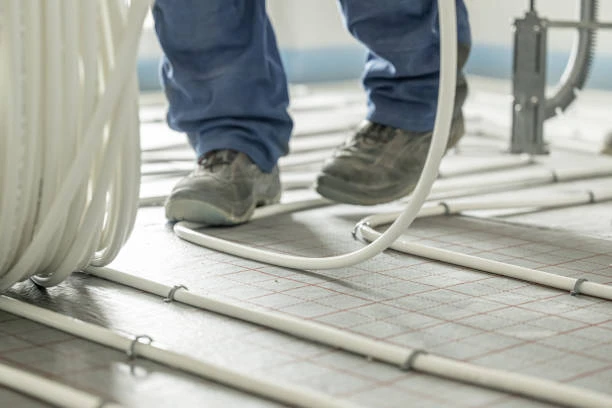
Imagine a cold winter morning where the first step out of bed lands on a surface of welcoming, gentle warmth. This daily luxury stems from one critical process: the expert installation of floor heating pipes. This is where design meets practicality, and precision ensures decades of comfort. Proper installation is not just a step in construction—it is the core factor that determines system efficiency, reliability, and performance. Whether in a new build or a retrofit, the way we lay these pipes impacts everything from energy bills to personal comfort.
Basic Characteristics: What Makes These Systems Work
Floor heating pipes are specialized components designed for longevity and performance. Typically made of cross-linked polyethylene (PEX) or PERT, they are flexible, corrosion-resistant, and durable. Many include an oxygen diffusion barrier to protect the system from internal corrosion. Their flexibility allows installation in continuous loops without joints under the floor, minimizing the risk of leaks. These pipes work efficiently at low water temperatures, making them ideal for use with heat pumps and condensing boilers.
The Installation Process: A Step-by-Step Overview
Installing floor heating requires careful planning and execution.
- Design and Planning: Engineers plan the layout based on room size, heat loss, and desired temperature. They determine pipe spacing, loop length, and flow rates.
- Subfloor Preparation: The surface must be clean, level, and insulated. Insulation boards are often laid down to direct heat upward instead of downward.
- Laying the Pipes: Installers secure the pipes in predefined patterns—typically serpentine or spiral—using clips, rails, or mats. They maintain consistent spacing to ensure even heat distribution.
- Pressure Testing: Before covering the pipes, the system undergoes pressure tests to check for leaks or weaknesses.
- Pouring the Screed: A layer of screed (concrete or anhydrite) encloses the pipes, acting as a thermal mass that stores and evenly radiates heat.
- System Commissioning: After the screed dries, technicians connect the pipes to the manifold and heat source, then balance and test the full system.
Industry Applications: Where Installation Matters Most
Proper installation is crucial across various applications:
- Residential Buildings: From single-family homes to apartments, correct installation ensures comfort and efficiency.
- Commercial Spaces: Offices, hotels, and hospitals use large-area radiant heating for silent, draft-free climate control.
- Retrofit Projects: Modern low-profile systems allow installation under existing floors without major height increase.
- Special Environments: Swimming pools, spas, and ice melt systems for driveways also rely on properly installed heating pipes.
Public Recognition: Why People Trust a Well-Installed System
Homeowners and building operators value a professionally installed floor heating system for multiple reasons:
- Comfort: Even heat distribution without cold spots.
- Energy Efficiency: Lower operating costs due to optimal performance.
- Low Maintenance: A well-installed system requires almost no upkeep.
- Space Saving: No radiators mean more freedom for interior design.
- Noise-Free Operation: Unlike forced-air systems, radiant heat is completely silent.
Frequently Asked Questions (FAQ)
1. How long does the installation process take?
A typical residential installation takes 2–4 days, depending on the size and complexity of the project. This includes laying pipes, screeding, and commissioning.
2. Can floor heating be installed under any type of flooring?
Yes. You can use it with tile, stone, laminate, engineered wood, and even carpet. The key is using appropriate thermal resistance materials and ensuring the system is designed for the covering.
3. What is the ideal pipe spacing?
Usually, installers place pipes 6 to 8 inches (15–20 cm) apart. Areas with higher heat loss, like near windows, may require tighter spacing.
4. Will the pipes leak over time?
High-quality PEX or PERT pipes are extremely durable. When installed correctly without joints in the floor, the risk of leakage is virtually zero.
5. Can I install floor heating myself?
While DIY kits are available, professional installation is strongly recommended. Proper design, pressure testing, and integration with the heat source require technical skill and experience.
Summary
The installation of floor heating pipes is a blend of technical expertise and practical craftsmanship. It transforms advanced materials into a system that delivers silent, efficient, and luxurious comfort. From design to screeding, each step ensures that the end result meets high standards of performance and durability. Whether in homes, businesses, or special applications, a correctly installed floor heating system enhances living and working environments while providing significant energy savings. It’s not just a heating system—it’s a long-term investment in well-being and sustainability.
IFAN’s international standards
IFAN products comply with multiple international standards, including BS 3505, BS 4346, ASTM D1785 SCH40, ASTM D1785 SCH80, DIN, GB, DWV, ASTM D2665, ASTM D2241, ASTM D2729, ASTM F441/F441M, ISO 1452 Series standards, EN ISO 1452, DIN 8061/8062, GB/T 10002 Series standards, AS/NZS 1477, JIS K6741, CSA B137.3, NSF/ANSI 14, TIS 17-2532/1131-2535, among others. These certifications ensure that IFAN piping systems meet global requirements for safety, durability, and performance.
Contact
IFAN is a professional manufacturer with 30 years of experience, dedicated to producing high-quality plastic pipes, fittings, and valves. Our products include brass valves, PPR valves, as well as various pipes and fittings to meet different customer needs. Whether you need plumbing and drainage pipes or valve products. IFAN can provide a diverse range of high-quality, cost-effective products to support your projects. Below is our contact information.
We will reply your email or fax within 24 hours.
You can call us at any time if there is any question on our production.
Pls Mailto:[email protected]











Recent Comments