
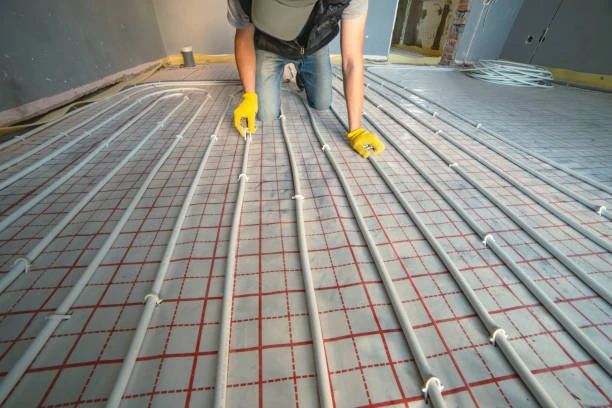
Imagine a home that anticipates the cold snap before it arrives, silently warming the floors to your perfect preference using energy harnessed from the sun. This isn’t science fiction; it’s the imminent future of radiant heating, driven by revolutionary advances in the very pipes that make it all possible. The humble floor heating pipe is evolving from a passive component into an active, intelligent element in the sustainable homes and smart cities of tomorrow. This article explores the exciting future that lies ahead for this transformative technology.
Basic Characteristics: The Next Generation of Performance
The core DNA of future floor heating pipes will focus on enhanced efficiency, intelligence, and environmental harmony.
- Material Science Breakthroughs: We will see the rise of bio-based polymers and composites with even higher thermal conductivity. These new materials will transfer heat more rapidly and efficiently, reducing response times and energy consumption. Some will even incorporate recycled materials, boosting their green credentials.
- Integrated Intelligence: The pipe itself will become a data carrier. Future iterations might feature micro-encapsulated sensors within their walls, capable of monitoring temperature, flow, and even pressure in real-time along the entire loop, providing a constant stream of system health and performance data.
- Multi-Functional Design: Pipes could serve a dual purpose. Imagine a single loop that provides heating in winter and passive cooling in summer, simply by circulating cooler water. Their design will facilitate easier integration with a wider array of renewable energy sources.
- Enhanced Flexibility & Durability: Advances in manufacturing will produce pipes that are even more flexible for complex installations guaranteeing a lifespan that matches the building’s century-long lifecycle.
Industry Applications: Powering the Sustainable Built Environment
The application of these advanced systems will expand far beyond comfort, becoming a critical utility for energy management.
- Grid-Interactive Buildings: Future homes and commercial buildings will use their thermal mass—heated by these advanced pipes—as a thermal battery.
- District Heating Integration: Smart pipes will be the standard for connecting to modernized, low-temperature district heating networks. They will enable seamless and efficient heat transfer from community-wide geothermal or waste-heat recovery systems into individual buildings.
- Precision Agriculture & Urban Farming: The future of food production will rely on hyper-efficient climate control. Advanced radiant systems will provide precise root-zone temperature management in vertical farms and greenhouses, optimizing growth and conserving resources.
- Electrification and Retrofit Markets: As the world moves to electrify everything, heat pumps will become ubiquitous.
Public Recognition: The Demand for Conscious Comfort
Future homeowners will not just buy a heating system; they will invest in an integrated pillar of a healthy, efficient, and smart lifestyle.
- The Sustainability Standard: Consumers will increasingly demand homes that minimize their carbon footprint. A radiant system powered by a heat pump and renewable energy will become a major selling point, a visible commitment to environmental responsibility.
- Health and Wellness Focus: The superior air quality offered by radiant heat—which doesn’t blow allergens or dust—will align perfectly with the growing wellness-real estate trend. People will see their home’s climate system as integral to their family’s health.
- Seamless Smart Home Integration: People will expect their heating to work autonomously with other systems. The floor heating system will automatically adjust based on occupancy sensors, weather forecasts, and personal routines, delivering effortless comfort and efficiency.
- Value Perception: The market will recognize that this technology is a long-term investment that adds tangible value , future-proofing against energy price volatility, and aligning with top-tier sustainability certifications.
Frequently Asked Questions (FAQ)
1. Will future systems be easier to install in existing homes?
Yes! Expect innovations in low-profile systems and specialized screeds that conduct heat more efficiently, significantly reducing installation height and making retrofits in older homes far less invasive and more common.
2. How will AI work with my floor heating?
AI algorithms will learn your schedule and preferences. They will analyze weather forecasts, utility rate schedules, and grid demand signals to pre-heat your home at the most efficient and cost-effective times, all without you lifting a finger.
3. Are these advanced pipes more susceptible to damage?
Quite the opposite. Material science improvements will make future pipes even more resilient to long-term wear and corrosion. Furthermore, integrated smart sensors will provide early warnings of any potential issues long before they become serious problems.
4. Can I use this system for cooling as well?
Absolutely. The concept of “radiant cooling” will become mainstream. Using the same network of pipes with cooler water will draw excess heat from a room, providing a draft-free and highly efficient cooling method in drier climates.
5. Will this technology become more affordable?
As adoption increases and manufacturing scales, costs will decrease. Furthermore, the total cost of ownership—factoring in drastically lower energy bills and minimal maintenance—will make it an increasingly obvious economic choice.
Summary
The future of floor heating pipes is dynamic, intelligent, and central to sustainable living. They are evolving from simple conduits of warm water into sophisticated, integrated systems that provide unparalleled comfort, manage energy intelligently, and reduce our environmental impact. Driven by material innovation and digitalization, these systems will become the heartbeat of grid-interactive buildings and healthy, efficient spaces. The future of comfort is not in the air; it is quietly and efficiently underfoot.
IFAN’s international standards
IFAN products comply with multiple international standards, including BS 3505, BS 4346, ASTM D1785 SCH40, ASTM D1785 SCH80, DIN, GB, DWV, ASTM D2665, ASTM D2241, ASTM D2729, ASTM F441/F441M, ISO 1452 Series standards, EN ISO 1452, DIN 8061/8062, GB/T 10002 Series standards, AS/NZS 1477, JIS K6741, CSA B137.3, NSF/ANSI 14, TIS 17-2532/1131-2535, among others. These certifications ensure that IFAN piping systems meet global requirements for safety, durability, and performance.
Contact
IFAN is a professional manufacturer with 30 years of experience, dedicated to producing high-quality plastic pipes, fittings, and valves. Our products include brass valves, PPR valves, as well as various pipes and fittings to meet different customer needs. Whether you need plumbing and drainage pipes or valve products. IFAN can provide a diverse range of high-quality, cost-effective products to support your projects. Below is our contact information.
We will reply your email or fax within 24 hours.
You can call us at any time if there is any question on our production.
Pls Mailto:[email protected]









Recent Comments