

PPR Quick Connect Elbow: A Practical Guide to Efficient Use in Modern Plumbing
1. Introduction: Streamlining Plumbing with PPR Quick Connect Elbows
In the world of plumbing, efficiency, reliability, and ease of installation have become key priorities for both professionals and DIY enthusiasts. One product that embodies all these qualities is the PPR quick connect elbow. Designed to facilitate seamless pipe direction changes without compromising flow or structural integrity, this component has become increasingly popular across a range of residential, commercial, and industrial applications. In this article, we will explore everything you need to know about using a PPR quick connect elbow—from basic definitions and characteristics to common uses and industry insights. Whether you are new to plumbing or looking to upgrade your installation methods, this guide will help you understand why this fitting is a smart and modern choice.
2. Frequently Asked Questions (FAQ)
1. What is a PPR quick connect elbow used for?
It’s used to connect PPR pipes at a 90-degree angle, especially in tight spaces where a traditional connection might be difficult. The quick connect mechanism simplifies the installation process.
2. Do I need special tools to install it?
No. Unlike traditional PPR fittings that require welding or fusion, a quick connect elbow can be installed without specialized equipment.
3. Is it safe for potable water systems?
Yes. PPR material is non-toxic and resistant to chemical leaching, making it ideal for drinking water applications.
4. Can it be reused or repositioned after installation?
Many quick connect models allow for easy disconnection and reinstallation, but it depends on the manufacturer. Always check product specifications.
5. How durable is a PPR quick connect elbow under high pressure?
These fittings are designed to withstand standard plumbing pressures and temperatures. They offer excellent long-term durability when used as directed.
3. Definition and Key Features of PPR Quick Connect Elbow
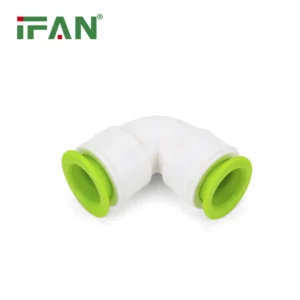
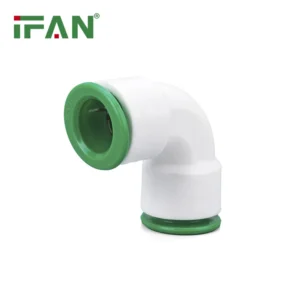
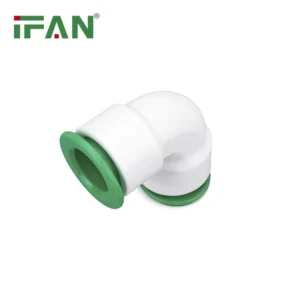
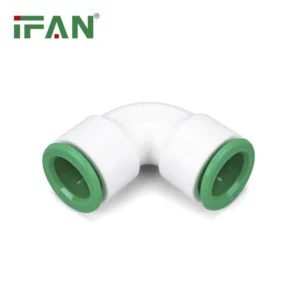
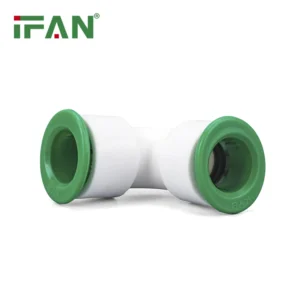
The PPR quick connect elbow is a right-angle (usually 90°) fitting used to redirect the flow of fluid within PPR (Polypropylene Random Copolymer) piping systems. What sets it apart is its quick-connect mechanism, which allows the user to simply push the pipe into the fitting to create a secure seal, eliminating the need for heating, gluing, or threading.
Main features include:
- Ease of Installation: No heating tools or fusion equipment required
- Secure Seal: Built-in O-rings or mechanical clamps ensure leak-proof connections
- Time-Saving: Installation takes a fraction of the time compared to traditional methods
- Versatility: Suitable for both hot and cold water systems
- Non-Corrosive and Hygienic: Resistant to scaling and corrosion, ensuring water quality
- High Pressure Resistance: Typically supports up to PN20 pressure ratings depending on the product
These features make the quick connect elbow an excellent solution for both new constructions and renovation projects.
4. Common Applications and Industries Using PPR Quick Connect Elbows
The wide range of benefits offered by PPR quick connect elbows has made them a staple in many fields. Their ease of use and dependable performance make them especially attractive in time-sensitive or complex installations.
Typical uses include:
- Residential Plumbing: Used in kitchens, bathrooms, and heating systems where layout changes are required
- Commercial Buildings: Ideal for office complexes, shopping malls, and restaurants that require efficient water distribution
- Healthcare Facilities: Preferred due to the hygienic, non-toxic properties of PPR
- Industrial Applications: Used in process piping, cooling systems, and fluid transport lines
- Agricultural Irrigation: Employed in irrigation lines where quick adjustments or repairs are frequently needed
Moreover, the elbows are often used in retrofitting older systems where pipe directions must be changed but access for fusion tools is limited.
5. How to Use and Install a PPR Quick Connect Elbow
Installing a PPR quick connect elbow is straightforward, especially when compared to traditional welding-based systems. Here’s a step-by-step guide to ensure a proper and safe connection:
Step 1: Cut the Pipe Cleanly
Use a pipe cutter to ensure a straight and smooth cut. Rough or angled cuts may compromise the seal.
Step 2: Deburr and Clean
Smooth out the pipe edges and remove any dust or debris. This ensures a tight and secure fit with the connector’s O-ring or clamp.
Step 3: Insert the Pipe
Push the pipe into the quick connect elbow until you hear or feel a ‘click’ indicating it’s fully engaged. Some versions have an indicator line or window for visual confirmation.
Step 4: Test the Connection
Turn on the water and check for leaks. If installed correctly, the seal should be watertight without any additional tools or sealing tape.
Step 5: Secure If Required
Some fittings include locking clips or compression rings. Engage these features if applicable to enhance security.
This tool-free installation makes it an ideal choice for small or awkward spaces, as well as for users without access to welding equipment.
6. Advantages Over Traditional Elbows
PPR quick connect elbows offer a wide array of advantages when compared to standard elbow fittings that require thermal fusion:
- Reduced Installation Time
No need for curing or cooling—connections are instantaneous. - Minimized Risk of Error
The tool-free design reduces the chances of improper welding or over-tightening. - Lower Labor Costs
Fewer tools and less skill are required, allowing for faster project completion. - Adaptability
They’re easy to reposition, which adds flexibility to system design and modification. - Environmental Benefits
Since the process is cleaner and doesn’t involve chemicals or fusion smoke, it is safer for indoor environments.
These qualities make quick connect elbows particularly attractive for fast-paced construction schedules or last-minute layout changes.
7. Market Trends and Future Outlook
The growing popularity of modular plumbing systems has driven demand for innovative fittings like the PPR quick connect elbow. As building codes increasingly emphasize water conservation and efficiency, the appeal of systems that reduce installation errors and energy use continues to rise.
Additionally, rising labor costs and the shortage of skilled welders are pushing the construction industry to adopt easier, smarter plumbing solutions. The quick connect elbow fits perfectly into this context by offering a high-performance, user-friendly alternative.
Moreover, the rise of DIY home improvement culture means even homeowners are starting to use these fittings for small projects. This broadens their market potential beyond professionals alone.
8. Conclusion
The PPR quick connect elbow represents a smart, efficient, and modern solution to a wide range of plumbing challenges. With its simple installation process, strong sealing capabilities, and compatibility with hot and cold water systems, it’s easy to see why this component is gaining traction across industries.
Whether you’re managing a large-scale plumbing project or performing a quick home upgrade, this fitting can save time, reduce costs, and improve the quality of your installation. As plumbing systems evolve toward more user-friendly and sustainable solutions, the PPR quick connect elbow stands out as a future-ready choice worth considering.
For both professionals and DIY users, embracing this technology means working smarter—not harder.
Contact
With 30 years of experience, IFAN is a specialist manufacturer specializing in the production of high quality plastic fittings, fittings and valves. Our products cover copper valves, PPR valves and various fitting and fittingxs to meet different customer needs. No matter what your needs are for plumbing or valves, IFAN offers a wide range of cost-effective products to support your project. Below is our contact information, this is our Whatsapp: + 86 19857948982,Email:[email protected]