
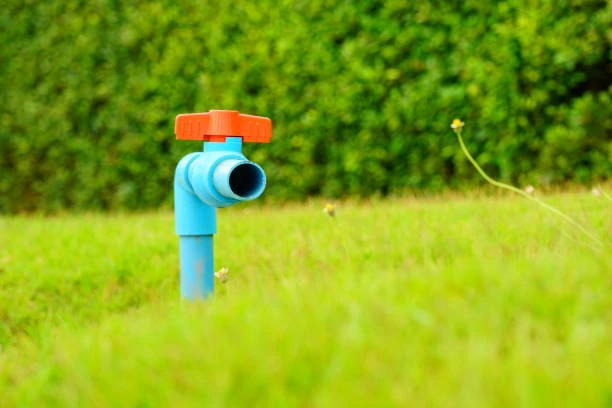
In industries that handle aggressive or hazardous chemicals, choosing the right valve can make the difference between a safe, efficient system and a costly disaster. Among various options, plastic butterfly valves stand out as a smart, reliable solution. This article explores the reasons why plastic butterfly valves are ideal for chemical applications and how they outperform traditional materials in many cases.
Understanding Plastic Butterfly Valves
A plastic butterfly valve is a quarter-turn valve that uses a rotating disc to control flow. Unlike metal valves, its body and components are made from corrosion-resistant plastics such as PVC, CPVC, PP, or PVDF. These materials provide excellent chemical resistance, making them well-suited for harsh environments.
Chemical Resistance: A Major Advantage
Designed to Withstand Aggressive Media
Plastic butterfly valves excel in environments where metal valves would corrode or fail. Plastics like PVDF and CPVC resist acids, alkalis, salts, and solvents commonly found in chemical plants. This ensures long-term performance and reduces the risk of leakage or equipment failure.
No Risk of Rust or Oxidation
Unlike steel or iron valves, plastic valves don’t rust. This is especially important when dealing with corrosive fluids or in systems exposed to moisture and chemical vapors.
➡ Result: Fewer failures, lower maintenance costs, and longer service life.
Lightweight and Easy to Install
Simplifies System Design
Plastic butterfly valves are much lighter than metal alternatives. This simplifies transport, handling, and installation. For large piping systems, this weight reduction translates to lower structural support needs and faster assembly.
Reduces Installation Labor and Costs
Because they’re easier to position and mount, plastic valves help cut installation time and labor costs. They’re also compatible with a variety of plastic piping systems, offering greater design flexibility.
➡ Result: Faster project completion and reduced construction expenses.
Safe and Non-Reactive in Harsh Environments
Avoids Contamination
Many chemicals require materials that will not react or leach into the fluid. High-grade plastics like PVDF and PP are inert, which makes them ideal for maintaining product purity in sensitive processes like pharmaceutical production or food-grade chemical handling.
Excellent for Low-Conductivity Fluids
Plastic materials are non-conductive. This minimizes issues related to electrochemical corrosion, especially important in systems transporting highly reactive chemicals.
➡ Result: Reliable performance in delicate and high-purity applications.
Cost-Effective for Long-Term Operation
Lower Material and Maintenance Costs
Plastic valves are usually more affordable than high-grade metal valves. They don’t require special coatings or corrosion-resistant alloys. Combined with their longer lifespan and minimal maintenance needs, they reduce total ownership costs over time.
Fewer Replacement Cycles
With proper selection and use, plastic butterfly valves can last for years in aggressive environments. Their longevity means less frequent shutdowns and valve replacement, saving both time and money.
➡ Result: Better return on investment for chemical system operators.
Versatile for a Wide Range of Chemical Uses
Plastic butterfly valves are used in:
- Acid handling systems
- Water treatment plants
- Chemical mixing and dosing
- Plating and surface finishing
- Semiconductor and pharmaceutical industries
Because manufacturers offer various grades and configurations, it’s easy to find a plastic butterfly valve that fits your exact application requirements.
➡ Result: One solution for many processes.
Compatible with Automation
Plastic butterfly valves are easily integrated with electric or pneumatic actuators for remote or automated control. This is especially helpful in chemical plants where manual valve operation may be risky or inefficient.
Advanced automation also supports modern process control systems, improving safety and productivity.
➡ Result: Smart systems with real-time control and monitoring.
Safety First: Leak-Proof and Reliable
Precision Sealing
Manufacturers design plastic butterfly valves with tight-tolerance seals to prevent leaks under pressure. They often use EPDM, FKM, or PTFE seats and gaskets to match chemical compatibility and improve sealing performance.
Compliance with Industry Standards
Many plastic butterfly valves are certified to international safety and quality standards such as:
- ISO
- ANSI
- DIN
- NSF (for water applications)
➡ Result: Peace of mind for engineers and operators in safety-critical applications.
Conclusion: The Smart Choice for Chemical Environments
Plastic butterfly valves offer outstanding chemical resistance, lightweight construction, reliable sealing, and cost efficiency. They outperform metal alternatives in many chemical applications and are safer, easier to install, and more adaptable.
For engineers and system designers in the chemical industry, plastic butterfly valves represent a smart, sustainable choice.
IFAN Product International Standard
IFAN designs its piping and valve products to meet a wide range of international standards, ensuring global compatibility and trusted performance. The company strictly follows ISO 15875 and BS EN ISO 15875, which define the requirements for PEX pipes used in hot and cold water systems. IFAN also complies with GB/T 18992, the Chinese national standard, and DIN 16892, the German specification for plastic piping systems, to guarantee regional quality and reliability.
To meet North American requirements, IFAN products are certified under ASTM F877 and ASTM F2788, ensuring safe use in hot and cold water distribution. In the UK, IFAN adheres to the BS 7291 standard, which applies to polybutylene and polyethylene systems in residential and commercial buildings. Additionally, CSA B137 certification confirms IFAN’s compliance with Canadian plumbing standards.
By meeting these rigorous international benchmarks, IFAN delivers high-quality, dependable solutions trusted by professionals worldwide. This comprehensive compliance enhances product safety, boosts customer confidence, and supports IFAN’s strong presence in the global market.
Contact
IFAN is a professional manufacturer with 30 years of experience, dedicated to producing high-quality plastic pipes, fittings, and valves. Our products include brass valves, PPR valves, as well as various pipes and fittings to meet different customer needs. Whether you need plumbing and drainage pipes or valve products. IFAN can provide a diverse range of high-quality, cost-effective products to support your projects. Below is our contact information.
We will reply your email or fax within 24 hours.
You can call us at any time if there is any question on our production.
Pls Mailto:[email protected]





Recent Comments