
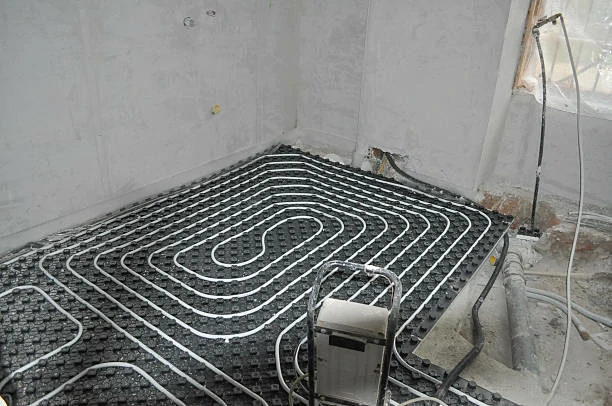
Underfloor heating, also known as radiant floor heating, is a luxurious and efficient way to warm your home. This system works by distributing heat through pipes installed beneath the floor, creating a comfortable and evenly heated environment. In this article, we will delve into the world of floor heating pipes, exploring their types, benefits, and maintenance.
Types of floor Heating Pipes
Floor heating systems primarily utilize two types of pipes: water-based and electric.
Water-based underfloor heating systems distribute heat by utilizing a network of pipes filled with warm water. These pipes, made of durable and flexible plastic like polyethylene (PE) or cross-linked polyethylene (PEX), carry the water. A boiler or heat pump heats the water, and then it is circulated through the pipes.effectively transferring heat to the floor and, consequently, to the entire room.
One of the advantages of water-based systems is their efficiency. They integrate seamlessly with renewable energy sources such as solar panels or ground source heat pumps, positioning them as an environmentally friendly option. Furthermore, water-based systems often incur lower running costs than electric systems, particularly when paired with a condensing boiler or heat pump.
Electric Systems
Electric underfloor heating systems utilize heating cables or mats that are installed directly beneath the floor covering. They offer easier installation as they do not necessitate a boiler or an extensive piping network. These systems are ideal for smaller spaces or retrofit projects where implementing a water-based system may be impractical.
While electric systems are more expensive to run than water-based systems.they offer the advantage of quick heat-up times and zoned control, allowing you to heat only the rooms you are using.
Installation Process
A professional should carry out the installation of underfloor heating pipes, which involves several steps, to ensure optimal performance and safety.
Planning and Design: Plan layout, determine pipe spacing.
Preparation: Prepare floor, lay insulation boards.
Pipe Layout: Lay out the pipes according to the planned design. For water-based systems, connect the pipes to a manifold that distributes hot water from the boiler or heat pump.
Floor Covering: Once the pipes are in place, cover the floor with tiles, wood, or another suitable material. Ensure compatibility of the chosen floor covering with underfloor heating to facilitate efficient heat transfer.
System Testing and Commissioning:
Finally, test the system to confirm proper functionality. Including checking for leaks and verifying that the heat output aligns with the designed specifications.
Benefits of Underfloor Heating Pipes
Underfloor heating pipes offer numerous benefits, making them a popular choice for homeowners.
- Comfort: Underfloor heating provides a gentle, radiant heat that warms the entire room, eliminating cold spots and creating a cozy atmosphere.
- Efficiency: Underfloor heating is more efficient than traditional radiators, as it heats the room from the ground up, reducing heat loss and energy consumption.
- Aesthetics: With underfloor heating, there are no visible radiators or heaters, allowing for a clean and minimalist design aesthetic.
- Health: Underfloor heating can help to reduce allergens and dust circulation, as there is no convection current that stirs up particles in the air.
Maintenance and Care
Underfloor heating systems require minimal maintenance. To ensure optimal performance, it is recommended to conduct regular inspections and occasional cleaning of the system components. It’s also important to check the floor covering for any signs of damage or wear that could affect the heat transfer.
In conclusion, underfloor heating pipes offer a luxurious and efficient way to warm your home. Whether you choose a water-based or electric system, the key to a successful installation is careful planning, professional installation, and regular maintenance. With the right system in place, you can enjoy the comfort and benefits of underfloor heating for years to come.
The best pex pipe material manufacturer
IFAN is a brand that offers products that meet a wide range of international standards, ensuring the quality and reliability of every product.PEX Product standard including:ISO15875, GB-T 18992, DIN 16892, ASTM F877, ASTM F2788, BS 7291, BS EN ISO15875, CSA B137. IFAN is committed to providing high quality products and excellent service!
Contact
IFAN is a professional manufacturer with 30 years of experience, dedicated to producing high-quality plastic pipes, fittings, and valves. Our products include brass valves, PPR valves, as well as various pipes and fittings to meet different customer needs. Whether you need plumbing and drainage pipes or valve products, IFAN can provide a diverse range of high-quality, cost-effective products to support your projects. Below is our contact information.
We will reply your email or fax within 24 hours.
You can call us at any time if there is any question on our production.
For more information,pls visit our webside https://pipefittingpro.com/
Pls Mailto: [email protected]
Whatsapp: + 86 19857948982








Recent Comments