
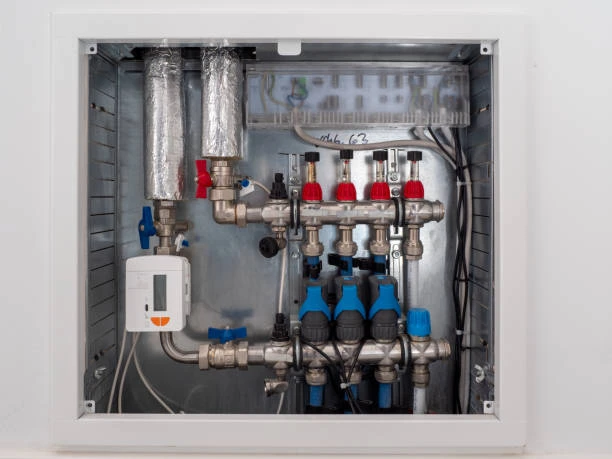
The manifold pressure sensor plays a key role in monitoring and controlling pressure levels in systems like engines, heating systems, and industrial setups. Its accurate pressure readings help maintain performance, efficiency, and safety. When purchasing a manifold pressure sensor, buyers need to consider several factors to ensure compatibility and reliability for their specific applications.
Identifying the Application Requirements
Before purchasing a manifold pressure sensor, identifying the specific requirements of the application is essential. Buyers must determine the type of system, the range of pressure it operates under, and the environmental conditions it will face. For example, an automotive engine may need a sensor with a different range and durability compared to one used in HVAC systems. Tailoring the purchase to the application ensures proper functionality.
Evaluating the Pressure Range
The pressure range supported by a manifold pressure sensor must match the system’s operating parameters. Sensors designed for low-pressure applications will not work properly in high-pressure systems, and vice versa. Buyers should consult the system’s specifications and choose a sensor that covers the expected minimum and maximum pressure levels. Selecting the right pressure range prevents damage to the sensor and ensures accurate readings.
Considering Material and Durability
Material and durability play a significant role when selecting a manifold pressure sensor. Systems that operate in harsh environments, such as high heat, humidity, or exposure to chemicals, require sensors made from robust materials like stainless steel or corrosion-resistant plastics. Buyers should ensure the sensor can withstand these conditions without compromising its performance or lifespan.
Compatibility with Existing Systems
Compatibility with the system’s design and interface remains a critical factor when buying a manifold pressure sensor. Buyers must confirm that the sensor fits physically within the system and connects easily with existing electronics or control units. Checking the sensor’s output type, such as analog voltage, digital signals, or CAN bus compatibility, ensures smooth integration with the system.
Researching Sensor Brands and Quality
Reputable manufacturers often provide higher-quality manifold pressure sensors that deliver reliable and accurate readings. Buyers should research trusted brands and read reviews or recommendations from industry professionals. Opting for well-known brands reduces the risk of purchasing substandard products and ensures access to technical support and warranty services.
Comparing Prices and Warranty Options
Price comparisons help buyers find the best value when choosing a manifold pressure sensor. While the cheapest option may seem appealing, it might compromise quality or durability. Buyers should balance affordability with reliability and consider warranty options. A longer warranty period indicates confidence in the sensor’s quality and provides peace of mind in case of defects or malfunctions.
Purchasing from Reliable Suppliers
Reliable suppliers ensure buyers receive authentic products and proper after-sales support. Buyers should choose suppliers with a proven track record and positive customer reviews. Purchasing directly from manufacturers or authorized distributors adds an extra layer of security. Reliable suppliers also offer expert guidance during the buying process, helping customers make informed decisions.
Testing and Installation
After purchasing a manifold pressure sensor, testing it in the system verifies its performance. Ensuring accurate readings and proper functionality confirms the suitability of the sensor. Installation instructions provided by the manufacturer simplify the process and prevent errors. Following these steps ensures that the new sensor operates as intended and contributes to the system’s overall efficiency.
The best brass fitting manufacturer
| Brand | Founded Year | Company Address |
| IFAN | 1993 | Zhejiang,China |
| TOMOX | 2014 | Shanghai, China |
| PNTEK | 2011 | Tianjin, Zhejiang |
| OUTSHINE | 2009 | Ningbo, Zhejiang |
| DALON | 2006 | Ningbo, Zhejiang |
IFAN delivers top-quality PPH products designed to meet the highest global standards, including ISO 15494 series, EN ISO 15494, DIN 8077/8078, ASTM F2389, GB/T 19472 series, and NBR 15494. We ensure unmatched performance, durability, and reliability across a wide range of industrial applications. By adhering to these rigorous standards, IFAN guarantees superior chemical resistance, precision engineering, and long-lasting solutions for every project. Choose IFAN for quality you can trust and standards you can rely on.
Contact
IFAN is a professional manufacturer with 30 years of experience, dedicated to producing high-quality plastic pipes, fittings, and valves. Our products include brass valves, PPR valves, as well as various pipes and fittings to meet different customer needs. Whether you need plumbing and drainage pipes or valve products. IFAN can provide a diverse range of high-quality, cost-effective products to support your projects. Below is our contact information.
We will reply your email or fax within 24 hours.
You can call us at any time if there is any question on our production.
Pls Mailto: [email protected]
Whatsapp: + 86 19857948982











Recent Comments