
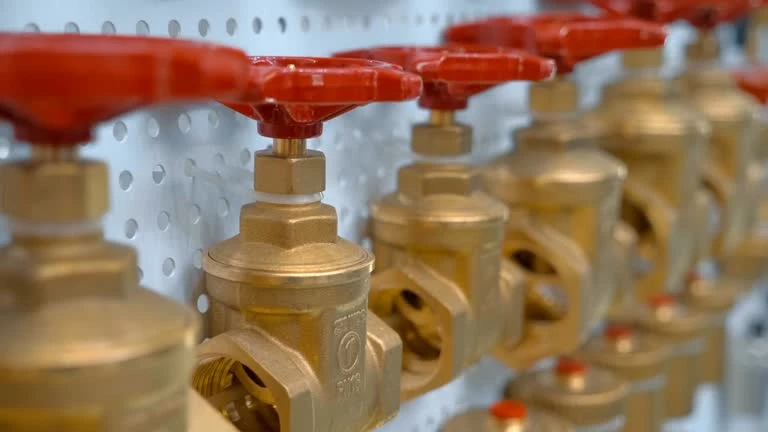
1. Introduction to Trim Valve Components
Trim valves consist of multiple precision-engineered parts that collectively regulate fluid flow in industrial systems. Manufacturers design these components to withstand high pressures, corrosive environments, and extreme temperatures. Key elements include the valve body, trim (internal parts), seat, stem, and actuator. Each part plays a distinct role in ensuring precise control and reliability.
2. Valve Body: The Structural Foundation
The valve body serves as the primary housing for all internal components. Constructed from materials like stainless steel, carbon steel, or alloy metals, it provides structural integrity and resistance to external stresses. The body features inlet and outlet ports that direct fluid flow, while its internal geometry aligns with the trim to optimize performance. Engineers often coat the body with anti-corrosion layers to extend its lifespan in harsh environments.
3. Trim Assembly: The Heart of Precision
The trim comprises components directly interacting with the fluid, including the plug, cage, and seat ring. The plug adjusts the flow area by moving toward or away from the seat, while the cage stabilizes fluid dynamics to minimize turbulence. High-performance trims use hardened materials like tungsten carbide or Stellite to resist erosion. Customizable trim geometries allow operators to tailor flow characteristics for specific applications, such as high-pressure steam or abrasive slurries.
4. Seat and Seal Systems
The seat forms a tight seal with the plug to halt fluid flow when the valve closes. Materials like PTFE, elastomers, or metal alloys ensure leak-proof operation under varying temperatures. Dual-seat designs enhance sealing reliability in critical applications, such as toxic chemical handling. Advanced sealing technologies, including spring-loaded seals, automatically compensate for wear, maintaining consistent performance over time.
5. Stem and Actuator: Motion Control
The stem connects the actuator to the trim, translating rotational or linear motion into precise plug movement. Manufacturers often use forged steel or nickel alloys for stems to prevent bending or galling. Electric, pneumatic, or hydraulic actuators power the stem, enabling automated adjustments. Smart actuators integrate sensors to provide real-time feedback on valve position, pressure, and flow rates, improving system responsiveness.
6. Material Science: Enhancing Durability
Material selection directly impacts trim valve longevity. A 2022 study by the Global Valve Technology Consortium found that valves with tungsten carbide-coated trims last 60% longer in abrasive slurry applications than standard steel variants. Similarly, ceramic composite seats reduce maintenance intervals by 35% in high-temperature steam systems. These advancements underscore how innovative materials elevate reliability and reduce lifecycle costs.
7. Role of Advanced Manufacturing Techniques
Modern trim valves benefit from technologies like 3D printing and laser machining. Additive manufacturing allows for complex trim geometries that traditional methods cannot replicate, such as lattice-structured cages for noise reduction. Precision laser etching ensures micron-level accuracy in seat surfaces, minimizing leakage risks. Such techniques enable bespoke designs for niche industries, including nuclear energy and semiconductor manufacturing.
8. Integration with Smart Systems
Contemporary trim valves increasingly incorporate IoT-enabled sensors and AI-driven diagnostics. Wireless sensors embedded in the stem or trim monitor parameters like vibration, temperature, and wear rates. Predictive analytics software uses this data to forecast maintenance needs, reducing downtime by up to 50% in oil and gas pipelines, according to a 2023 McKinsey report. This shift toward digitization transforms trim valves into proactive components within industrial ecosystems.
IFAN PEX fittings meet ISO 15875, GB/T 18992, DIN 16892, ASTM F877/F2788, BS 7291, BS EN ISO 15875 and CSA B137 standards for optimum quality and compatibility.
Contact
IFAN is a professional manufacturer with 30 years of experience, dedicated to producing high-quality plastic pipes, fittings, and valves. Our products include brass valves, PPR valves, as well as various pipes and fittings to meet different customer needs. Whether you need plumbing and drainage pipes or valve products. IFAN can provide a diverse range of high-quality, cost-effective products to support your projects. Below is our contact information.
We will reply your email or fax within 24 hours.
You can call us at any time if there is any question on our production.
Pls Mailto:[email protected]










Recent Comments