
1. Introduction to Throttle Valve Connections
Throttle valves play a critical role in regulating fluid and gas flow across various industries. Their effectiveness depends not only on their design but also on the way they connect to piping and control systems. Engineers and technicians carefully select connection types to ensure secure installation, optimal performance, and easy maintenance. Understanding different connection methods helps improve system reliability and efficiency.
2. Threaded Connections: Simple and Versatile
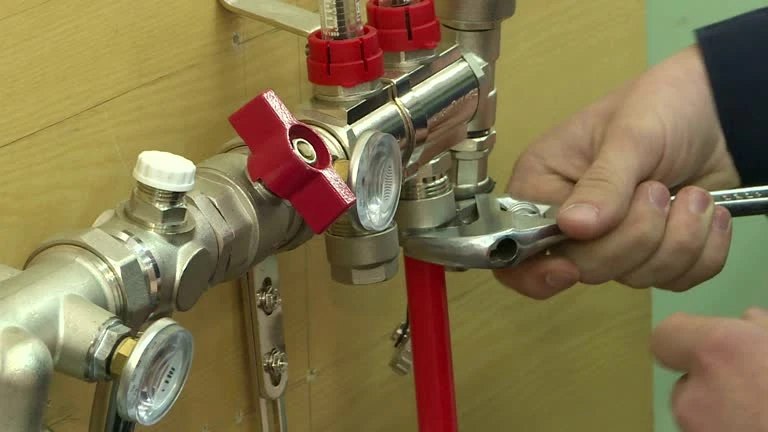
Threaded connections offer a straightforward and widely used method for installing throttle valves. Standardized threading ensures compatibility with various pipe sizes and materials. These connections work best for small to medium-sized systems where moderate pressure levels exist. Installation requires only basic tools, making it a convenient choice for applications that need quick assembly and disassembly.
3. Flanged Connections: Secure and Leak-Resistant
Flanged connections provide a strong and reliable sealing mechanism for throttle valves. Bolted flanges create a tight fit, reducing the risk of leaks even under high-pressure conditions. Various flange standards, such as ANSI, DIN, and JIS, ensure compatibility with global piping systems. Maintenance crews benefit from the ability to remove and replace valves without cutting pipes, simplifying repair procedures.
4. Welded Connections: Permanent and Durable
Welded connections ensure maximum durability and leak prevention, making them ideal for high-pressure and high-temperature applications. By permanently attaching throttle valves to piping systems, welding eliminates potential weak points associated with gaskets or seals. Industries such as petrochemicals and power plants rely on welded connections to maintain safety and efficiency in extreme conditions.
5. Compression Fittings: Quick and Reliable Assembly
Compression fittings allow fast and secure connections without requiring welding or threading. These fittings use compression rings or ferrules to create a tight seal around the pipe. Throttle valves with compression connections work well in small-diameter applications, such as laboratory equipment, refrigeration systems, and hydraulic circuits. Their ability to withstand vibration and pressure fluctuations makes them a preferred choice for dynamic environments.
6. Clamp and Grooved Connections: Flexible and Easy to Maintain
Clamp and grooved connections provide flexibility for quick installation and maintenance. These connection types use grooved pipe ends and mechanical couplings to secure throttle valves in place. Fire protection systems, HVAC installations, and water treatment plants benefit from the ease of assembly and disassembly that grooved connections offer. Their ability to accommodate slight movement in the piping system enhances durability.
7. Integration with Control Systems and Actuators
Throttle valves connect not only to pipelines but also to control systems and actuators. Pneumatic, electric, and hydraulic actuators allow automated regulation of fluid flow. Sensors and controllers integrate with throttle valves to optimize performance based on real-time data. Smart systems in industries such as chemical processing and energy management depend on seamless valve integration for efficiency and precision.
8. Conclusion: Choosing the Right Connection for Optimal Performance
Selecting the appropriate connection method for throttle valves ensures safe, efficient, and reliable operation. Threaded, flanged, welded, compression, and grooved connections each offer unique advantages suited to specific applications. Proper integration with control systems further enhances functionality. Engineers and system designers must consider factors such as pressure, temperature, and maintenance requirements when choosing connections. The right selection leads to improved performance, longevity, and ease of operation in any flow control system.
Product Standards
PPR ball valves comply with several international standards to ensure quality and performance. ISO 15874 and EN 15874 establish the requirements for PPR piping systems, including mechanical properties and durability. ASTM F2389 defines the specifications for polypropylene pipes and fittings used in pressurized applications. DIN 8077/8078 sets the dimensional and material requirements for PPR pipes, ensuring compatibility with various valve types. GB/T 18742 outlines the technical parameters for PPR piping systems in China, covering aspects such as pressure resistance and thermal stability. NBR 15884 serves as the Brazilian standard for PPR pipes, guaranteeing compliance with local plumbing regulations. These standards ensure that PPR ball valves deliver reliable performance in residential, commercial, and industrial applications.
Contact
IFAN is a professional manufacturer with 30 years of experience, dedicated to producing high-quality plastic pipes, fittings, and valves. Our products include brass valves, PPR valves, as well as various pipes and fittings to meet different customer needs. Whether you need plumbing and drainage pipes or valve products. IFAN can provide a diverse range of high-quality, cost-effective products to support your projects. Below is our contact information.
We will reply your email or fax within 24 hours.
You can call us at any time if there is any question on our production.
Pls Mailto:[email protected]









Recent Comments