
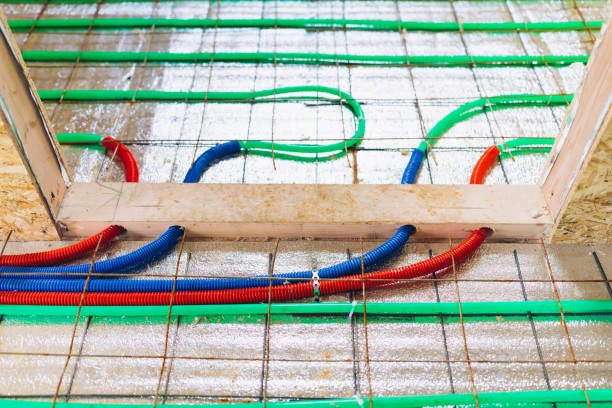
Radiant floor heating is revolutionizing the way we heat our homes and commercial spaces, moving away from drafty vents and towards consistent, comfortable warmth that emanates from the ground up. At the very heart of this efficient system lie the floor heating pipes, the unsung heroes that carry warm water beneath the floors. This comprehensive guide delves into everything you need to know about these pipes, from their basic structure and installation nuances to their wide-ranging applications. Whether you are a homeowner considering an upgrade, a builder specifying materials, or simply curious about the technology, understanding these components is the first step to unlocking a new level of indoor comfort and energy efficiency.
Basic Definition and Key Characteristics
Floor heating pipes, often called PEX (cross-linked polyethylene) pipes in radiant heating systems, are flexible, durable tubes specifically designed to circulate warm water under a floor surface. Unlike traditional radiator systems that heat the air, these pipes radiate heat directly to the floor and the people and objects in the room, providing a more even and efficient distribution of warmth.
Modern floor heating pipes boast several key features that make them ideal for this demanding application:
- Exceptional Flexibility: Their flexible nature allows installers to snake them in continuous loops throughout a floor area. This design eliminates the need for many fittings and joints under the slab, significantly reducing the risk of future leaks.
- High Durability and Longevity: Made from robust materials like PEX-a, PEX-b, or PERT (polyethylene of raised temperature resistance), these pipes resist corrosion, scaling, and chemical damage. They typically have a lifespan exceeding It depends on the actual situation., often outlasting the building itself.
- Oxygen Barrier: Most high-quality pipes include an oxygen diffusion barrier layer (often EVOH). This layer prevents oxygen from permeating the pipe wall and entering the water circuit, which protects ferrous components in the boiler and other metal parts from corrosion, extending the entire system’s life.
Common Uses and Application Industries
The use of radiant floor heating pipes has expanded far beyond luxury homes. Their superior comfort and efficiency make them a preferred choice across numerous sectors.
- Residential Construction: This is the most common application. Homeowners install these systems in bathrooms, kitchens, living areas, and even basements for ultimate comfort. They work beautifully with all types of floor coverings, including tile, stone, laminate, and even engineered wood.
- Commercial Buildings: Offices, hotels, and retail spaces benefit greatly from radiant heating. It eliminates cold spots in large, open areas, provides silent operation, and improves air quality by not stirring up dust and allergens like forced-air systems.
- Institutional Facilities: Schools, hospitals, and nursing homes prioritize patient and student comfort and air quality. The gentle, even heat is perfect for patient recovery rooms, classrooms, and common areas.
- Industrial Applications:Factories and warehouses use radiant floor heating to provide localized warmth in large, high-ceilinged spaces where heating the entire volume of air would be prohibitively expensive and inefficient. It also keeps floors dry, improving safety.
- Specialty Applications: You will find these systems melting snow and ice on driveways, sidewalks, and ramps in cold climates, as well as in agricultural settings like greenhouses to maintain optimal root zone temperatures for plants.
Frequently Asked Questions (FAQ)
1. What is the best type of pipe for a radiant floor heating system?
PEX-a pipe is widely considered the premium choice. PEX-b is also a common and cost-effective option with excellent durability. The key is to always choose a pipe with an integrated oxygen barrier for a closed-loop heating system.
2. How are the pipes installed under the floor?
Installation typically follows a meticulous process. The spacing between the pipes is critical and depends on the heat loss calculations for the room.
3. How long do floor heating pipes last?
When properly installed and maintained within its specified pressure and temperature ratings, a high-quality PEX or PERT piping system can last for more than It depends on the actual situation.. The materials are designed to be highly resistant to the chemical and thermal stresses of a heating system, effectively making them a permanent fixture in the building.
4. Can a leaking pipe be repaired, or does the entire floor need to be torn up?
Thanks to modern installation and leak detection technology, locating and repairing a leak is more straightforward than many people think. Installers use thermal imaging cameras or acoustic listening devices to pinpoint the exact location of the leak with minimal invasiveness. Only a small section of the floor needs to be carefully opened up for the repair. Because the pipe is flexible and comes in long coils, most systems have very few joints under the floor, making leaks an extremely rare occurrence.
5. Can I use any floor covering with a radiant heating system?
While radiant heating works with many floor types, some are much more effective than others. Tile and stone are the best choices because they excellent conductors and store heat beautifully. Laminate, vinyl, and engineered wood are also good options, but you must check the manufacturer’s specifications to ensure they can handle the heat.
Conclusion
In summary, floor heating pipes represent a sophisticated and highly efficient core technology within radiant heating systems. Their flexible, durable, and intelligent design allows for the creation of unparalleled comfort in any space, from cozy living rooms to vast industrial warehouses. The installation process, while requiring precision, results in a low-maintenance and incredibly long-lasting heating solution. Understanding their characteristics, applications, and the fundamentals of their installation empowers property owners and professionals alike to make informed decisions, investing in a technology that provides warmth, comfort, and value for decades to come.
IFAN’s international standards
IFAN products comply with multiple international standards, including BS 3505, BS 4346, ASTM D1785 SCH40, ASTM D1785 SCH80, DIN, GB, DWV, ASTM D2665, ASTM D2241, ASTM D2729, ASTM F441/F441M, ISO 1452 Series standards, EN ISO 1452, DIN 8061/8062, GB/T 10002 Series standards, AS/NZS 1477, JIS K6741, CSA B137.3, NSF/ANSI 14, TIS 17-2532/1131-2535, among others. These certifications ensure that IFAN piping systems meet global requirements for safety, durability, and performance.
Contact
IFAN is a professional manufacturer with 30 years of experience, dedicated to producing high-quality plastic pipes, fittings, and valves. Our products include brass valves, PPR valves, as well as various pipes and fittings to meet different customer needs. Whether you need plumbing and drainage pipes or valve products. IFAN can provide a diverse range of high-quality, cost-effective products to support your projects. Below is our contact information.
We will reply your email or fax within 24 hours.
You can call us at any time if there is any question on our production.
Pls Mailto:[email protected]








Recent Comments