

In today’s industrial landscape, the demand for efficient, reliable, and sustainable piping solutions continues to grow. Industries ranging from chemical processing to food and beverage rely heavily on advanced piping systems to ensure the smooth flow of materials. Plastic fittings, an integral component of these systems, have gained significant popularity due to their versatility and performance characteristics. This article explores the vital role of plastic fitting in modern piping solutions, highlighting their advantages, applications, and future potential.
1. Understanding Plastic Fittings
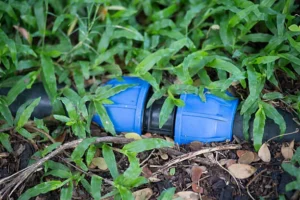
Plastic fittings encompass a variety of connectors used in piping systems, including elbows, tees, couplings, and adapters. Common materials for these fittings include polyvinyl chloride (PVC), polyethylene (PE), and polypropylene (PP). Each type of plastic offers unique properties, making them suitable for various applications across multiple industries.
a. Durability and Resistance
Plastic fittings exhibit excellent durability and resistance to corrosion, chemicals, and extreme temperatures. Unlike metal fittings that can corrode over time, plastic fitting maintain their integrity, ensuring long-lasting performance. This resistance to degradation minimizes the risk of leaks and failures, which can lead to costly downtime and maintenance.
b. Lightweight and Easy Installation
The lightweight nature of plastic fitting simplifies transportation and installation. Workers can handle these fittings easily, reducing the physical strain associated with heavier materials. This ease of installation not only speeds up the assembly process but also allows for flexibility in design and layout, making them ideal for various piping configurations.
2. Advantages of Plastic Fittings in Piping Solutions
Plastic fittings offer numerous advantages that enhance the performance of piping systems in industrial applications:
a. Cost-Effectiveness
One of the most significant benefits of plastic fitting lies in their cost-effectiveness. Their lower initial purchase price, combined with reduced maintenance costs, leads to substantial savings over time. Industries can allocate resources more efficiently, enhancing overall operational profitability.
b. Energy Efficiency
Plastic fittings contribute to energy efficiency in piping systems. Their smooth inner surfaces promote better fluid flow, reducing friction losses and energy consumption in pumping systems. This efficiency translates into lower operational costs and a reduced carbon footprint.
c. Sustainability and Environmental Impact
As industries increasingly focus on sustainability, plastic fitting present an environmentally friendly option. Many plastic fitting are recyclable, allowing for a closed-loop system where materials can be repurposed at the end of their life cycle. This characteristic aligns with the principles of a circular economy, minimizing waste and conserving natural resources.
3. Applications of Plastic Fittings in Piping Solutions
Plastic fittings find diverse applications across various sectors, showcasing their versatility and performance:
a. Chemical Processing
In the chemical processing industry, plastic fittings play a critical role in transporting corrosive substances. The ability of plastic to resist chemical reactions ensures safe handling of acids, bases, and solvents. This reliability enables industries to operate with confidence, knowing that their piping systems will withstand harsh conditions without failure.
b. Water and Wastewater Management
Plastic fittings serve as essential components in water and wastewater management systems. Their resistance to corrosion and ability to handle varying pressures make them suitable for both potable water distribution and sewage applications. Industries can ensure the safe transport of water while minimizing leaks and environmental contamination.
c. Food and Beverage Industry
The food and beverage industry demands high hygiene standards, and plastic fitting meet these requirements. Many plastic materials used in fitting comply with food safety regulations, ensuring that they do not contaminate products. Their smooth surfaces also allow for easy cleaning, maintaining sanitation in processing environments.
4. Overcoming Challenges in Piping Solutions
While plastic fittings offer numerous benefits, industries must also address potential challenges associated with their use:
a. Temperature Limitations
Some plastic fittings may have limitations regarding temperature tolerance. Industries should carefully evaluate the specific temperature ranges of their applications and select fittings designed for those conditions. Choosing fittings with appropriate thermal resistance ensures reliable performance in high-temperature environments.
b. UV Degradation
Certain plastic fittings may degrade when exposed to ultraviolet (UV) light. Industries operating in outdoor settings or areas with direct sunlight should consider UV-resistant fittings or implement protective measures. This proactive approach helps prolong the lifespan of the fittings and prevents premature failure.
5. Best Practices for Implementing Plastic Fittings in Piping Solutions
To maximize the benefits of plastic fittings in piping solutions, organizations should adopt best practices during selection and implementation:
a. Material Compatibility
Choosing the right type of plastic fitting based on the specific application is crucial. Factors such as chemical compatibility, temperature tolerance, and pressure ratings should guide material selection. Consulting with manufacturers and industry experts can provide valuable insights into the best options for particular needs.
b. Quality Assurance
Investing in high-quality plastic fittings from reputable manufacturers ensures reliability and performance. Low-quality fittings may compromise safety and lead to costly failures. Organizations should prioritize quality assurance processes to guarantee that the fittings meet industry standards.
c. Regular Maintenance and Inspections
Implementing a routine maintenance and inspection schedule helps identify potential issues early. Regular checks allow for timely replacements or repairs, ensuring the integrity of the piping system and minimizing operational disruptions.
6. Future Trends in Plastic Fittings and Piping Solutions
As technology continues to advance, the future of plastic fittings in piping solutions looks promising. Innovations in materials and manufacturing processes will likely lead to even more efficient and sustainable options. The development of new polymers with enhanced properties can expand the range of applications for plastic fittings, making them suitable for even more demanding environments.
Additionally, the integration of smart technologies into piping systems will enable real-time monitoring and maintenance. These advancements can further enhance the efficiency and reliability of plastic fittings, providing industries with valuable insights to optimize their operations.
Best PE pipe fittings Manufacturer
| Brand | Establishment | Adress |
| IFAN | 1993 | Zhejiang,China |
| CHANGHRONG | 1998 | Chengdu,China |
| KANGYU | 2000 | Shangdou,China |
| PNTEK | 2011 | Ningbo,China |
| ALIAXIS | 2003 | Belgium |
IFAN is a brand that offers products that meet a wide range of international standards, ensuring the quality and reliability of every product. Product standard including:ISO 15494 series standards, EN ISO 15494, DIN 8077/8078, ASTM F2389, GB/T 19472 series standards, NBR 15494. IFAN is committed to providing high quality products and excellent service!
7. Conclusion
Plastic fittings play a vital role in the development of modern piping solutions, offering durability, cost-effectiveness, and sustainability. Their unique properties make them suitable for a wide range of applications, from chemical processing to water management. By selecting the right materials, adhering to best practices, and prioritizing quality, industries can leverage plastic fittings to enhance operational efficiency and reduce environmental impact.
As industries evolve, the integration of plastic fitting into piping solutions will continue to drive innovation and support sustainable practices. By embracing these components, organizations can improve their infrastructure while contributing to a greener future. The ongoing commitment to developing advanced piping solutions will ensure that plastic fittings remain a key player in the quest for efficiency, reliability, and environmental responsibility in the industrial sector.
Contact
IFAN is a professional manufacturer with 30 years of experience, dedicated to producing high-quality plastic pipes, fittings, and valves. Our products include brass valves, PPR valves, as well as various pipes and fittings to meet different customer needs. Whether you need plumbing and drainage pipes or valve products, IFAN can provide a diverse range of high-quality, cost-effective products to support your projects. Below is our contact information.
We will reply your email or fax within 24 hours.
You can call us at any time if there is any question on our production.
Pls Mailto: [email protected]
Whatsapp: + 86 19857948982





Recent Comments