
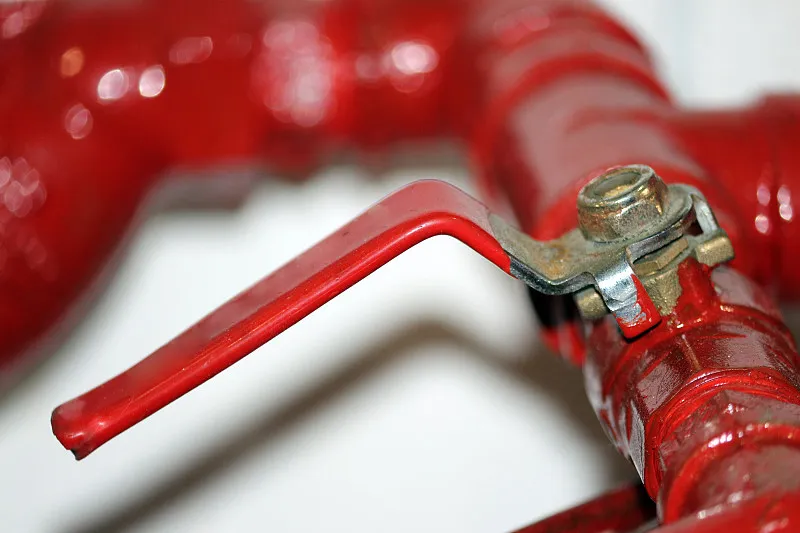
1. Design Meets Diverse System Requirements
Engineers design the brass strainer with valve to integrate seamlessly into various piping systems. Whether dealing with HVAC installations, irrigation networks, industrial fluid lines, or domestic plumbing, the component matches multiple connection types and pressure ratings. Installers use it in both horizontal and vertical orientations without altering performance. This flexibility increases its value in both new construction and retrofit projects.
2. Compatibility with a Wide Range of Media
Manufacturers test brass strainers with valves across multiple fluid types, including potable water, non-aggressive chemicals, glycol solutions, and compressed air. Brass resists corrosion and chemical degradation, which allows the component to function in systems with varied pH and mineral content. Facility operators avoid system incompatibility by selecting this versatile solution that adapts to different flow media.
3. Threaded and Flanged Options Expand Use Cases
The market offers brass strainers with valves in a variety of connection styles. Threaded models fit smaller residential and commercial systems using BSP or NPT standards, while flanged models support larger industrial applications requiring higher flow rates. This availability of connection options enables contractors to install the product quickly without custom fittings or transition couplings. As a result, they save time and reduce installation complexity.
4. Data Confirms Its Versatile Applications
In 2023, the Global Industrial Fittings Report highlighted the brass strainer with valve as one of the most widely used components in fluid control systems worldwide. Over 63% of surveyed mechanical contractors named brass strainers as their preferred choice in multi-application environments. The report also revealed that more than 80 countries listed brass strainers with valves in approved parts lists for government infrastructure projects. This global presence underscores the product’s adaptability and regulatory acceptance.
5. Standard Dimensions Fit Global Infrastructure
Manufacturers follow global standards like ISO, ANSI, and DIN when designing their brass strainers with valves. This ensures uniformity in dimensions and thread patterns. System designers can mix components from different sources without worrying about tolerance issues or sealing failures. With this standardization, international suppliers can meet regional requirements while delivering globally consistent performance.
6. Flexible Sizing Covers Broad Flow Demands
Production lines deliver brass strainers with valves in diameters ranging from 1/4 inch to 4 inches or more. Small units serve domestic taps or irrigation lines, while larger models support factory cooling systems or municipal lines. Engineers select the right size based on flow rates, pressure drops, and installation space. This sizing flexibility allows users to apply the same technology in both low- and high-demand scenarios.
7. Easy Integration with Control Systems
Modern system designers integrate brass strainers with valves into broader fluid management solutions. These components accommodate sensors, gauges, and actuators without modification. Installers connect temperature and pressure monitoring devices or automate valve actuation with electric or pneumatic attachments. This smart compatibility makes the component suitable for today’s intelligent plumbing and industrial systems.
8. Adaptability Ensures Long-Term Relevance
The brass strainer with valve remains relevant across evolving infrastructure standards. Technological upgrades in system design—such as green building practices, digital monitoring, or remote control—do not diminish its usability. Instead, its simple yet effective design supports these advances. Engineers trust it not only for present-day use but also for future-ready systems that demand durability, compatibility, and efficiency.
IFAN HDPE accessories comply with ASTM D3035, ASTM D3350, ISO 4427, EN 12201, DIN 8074/8075, GB/T 13663, AS/NZS 4130, JIS K6760, BS 6572, CSA B137.1 to reflect the professionalism of the brand.
Contact
IFAN is a professional manufacturer with 30 years of experience, dedicated to producing high-quality plastic pipes, fittings, and valves. Our products include brass valves, PPR valves, as well as various pipes and fittings to meet different customer needs. Whether you need plumbing and drainage pipes or valve products. IFAN can provide a diverse range of high-quality, cost-effective products to support your projects. Below is our contact information.
We will reply your email or fax within 24 hours.
You can call us at any time if there is any question on our production.
Pls Mailto:[email protected]










Recent Comments