
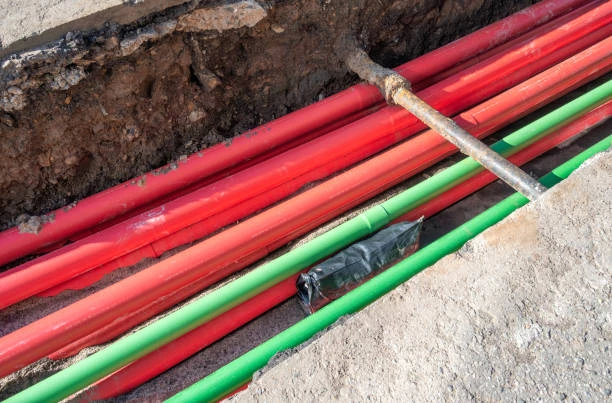
The size of PPR (Polypropylene Random Copolymer) fittings plays a critical role in the overall performance of a plumbing system. The right size ensures a secure, leak-proof connection and supports efficient fluid flow. Mismatched sizes, on the other hand, can lead to a range of issues, from water leakage to reduced system efficiency. In this article, we will explore how the size of PPR fittings affects plumbing systems, the factors to consider when selecting the right size, and the potential consequences of poor sizing.
Impact on Flow Efficiency and Pressure
One of the most significant factors affected by the size of PPR fittings is the flow efficiency and pressure within the plumbing system. Properly sized fittings allow water to flow smoothly through the pipes, maintaining consistent pressure throughout the system. If the fittings are too small for the pipes, they can create blockages, reducing the flow rate and causing an increase in water pressure. Conversely, oversized fittings can result in weak connections, leading to leaks and inefficient flow. Maintaining the right size compatibility helps ensure smooth water distribution and prevents potential damage to the plumbing infrastructure.
Leak Prevention and Durability
The size of PPR fittings directly impacts the ability to prevent leaks and maintain the durability of a plumbing system. When fittings are mismatched with the pipe sizes, they create gaps or improper seals, allowing water to escape. Even small leaks can lead to long-term damage, including water wastage and corrosion. By selecting the correct size of fittings, plumbers can create a tight, secure connection that prevents leaks and enhances the system’s overall longevity. Durable connections are essential for reducing maintenance costs and preventing frequent repairs or replacements.
Energy Efficiency and Cost Savings
Incorrect sizing of PPR fittings can result in energy inefficiencies that increase operating costs. For example, undersized fittings can cause friction and turbulence, leading to higher energy consumption to maintain water flow and pressure. This increases the system’s operational costs, especially in large-scale commercial or industrial plumbing systems. On the other hand, properly sized fittings contribute to a more energy-efficient system, reducing energy consumption and ensuring that the system operates at peak performance. Over time, this leads to significant cost savings and enhances the overall cost-effectiveness of the plumbing system.
Impact on System Expansion and Modification
When expanding or modifying an existing plumbing system, the size of the fittings plays a crucial role in ensuring a smooth and efficient transition. For instance, when increasing the size of pipes to handle higher water demand, selecting the appropriate fitting size ensures that new pipes integrate seamlessly with the existing infrastructure. Using the wrong size can lead to incompatibilities that may require costly adjustments or complete replacements. With the right size fittings, plumbing systems can easily be adapted to changing needs, allowing for efficient upgrades without significant disruptions to the system.
Compatibility with Other Plumbing Materials
PPR fittings are often used in conjunction with other materials, such as PVC, copper, or steel. When transitioning between different materials, size compatibility is essential for ensuring a secure connection. Transition fittings, designed to link PPR pipes with other materials, must match the sizes of both the PPR fittings and the connecting material. Incorrect sizing can cause leaks, weak connections, and poor flow performance. By ensuring proper size compatibility between PPR fittings and other materials, plumbers can create a reliable, integrated system that functions effectively across different materials.
Adapting to Different Applications and Environments
The size of PPR fittings also affects how well the plumbing system adapts to various applications and environments. For example, residential plumbing systems often require smaller fittings, such as 20mm or 32mm, while industrial applications may require larger sizes like 63mm, 90mm, or 110mm to handle higher water volumes. In environments where the plumbing system needs to withstand high pressures or temperatures, choosing the right size of fittings is even more critical. Proper sizing helps ensure that the system can handle specific demands, whether for household use, irrigation, or industrial cooling systems, without compromising performance or safety.
Conclusion
The size of PPR fittings significantly influences the overall performance, efficiency, and longevity of a plumbing system. From ensuring smooth water flow and preventing leaks to maintaining energy efficiency and system durability, proper sizing is essential for a reliable plumbing infrastructure. Plumbers must carefully consider the needs of the system, the application, and the compatibility with other materials when selecting the correct size of PPR fittings. By prioritizing the right size, plumbers can avoid common issues such as leaks, reduced flow, and increased operational costs, ultimately ensuring a long-lasting, efficient plumbing system.
Contact
IFAN is a professional manufacturer with 30 years of experience, dedicated to producing high-quality plastic pipes, fittings, and valves. Our products include brass valves, PPR valves, as well as various pipes and fittings to meet different customer needs. Whether you need plumbing and drainage pipes or valve products. IFAN can provide a diverse range of high-quality, cost-effective products to support your projects. Below is our contact information.
We will reply your email or fax within 24 hours.
You can call us at any time if there is any question on our production.
Pls Mailto: [email protected]
Whatsapp: + 86 19857948982









Recent Comments