
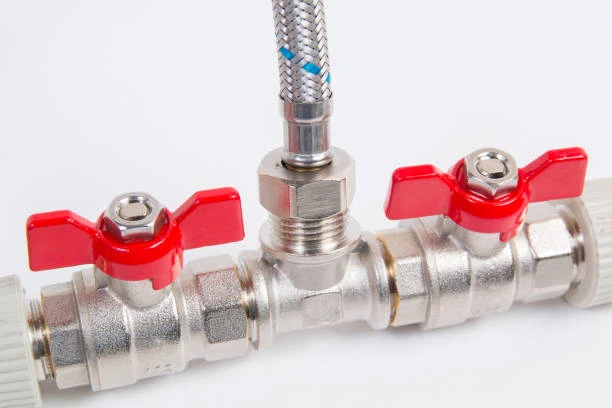
The price of copper valves, integral to numerous industries like plumbing, construction, and manufacturing, is not solely influenced by market forces. Government policies, both domestic and international, play a significant role in shaping the price of copper valves. These policies encompass trade regulations, environmental standards, and taxation, which all contribute to the production, distribution, and final pricing of copper valves. This article explores how various policy decisions affect the copper valve market and its pricing structure.
Trade Policies and Tariffs
Trade policies, particularly tariffs, significantly affect the price of copper valves. Countries that impose tariffs on imported copper or finished products like valves make it more expensive to source materials or products from overseas. If a nation introduces tariffs on copper imports, the price of raw copper rises, directly influencing the cost of manufacturing copper valves. Additionally, if countries place tariffs on finished copper valves, this can raise the price for consumers, as manufacturers and suppliers pass on the added costs. On the other hand, trade agreements that remove tariffs or reduce import duties can lower the price of copper valves by easing the cost of raw materials and finished products in international markets.
Environmental Regulations and Sustainability
Government policies aimed at environmental protection significantly impact the cost structure of copper valve production. Regulations on emissions, waste disposal, and resource conservation can lead to higher manufacturing costs. Manufacturers must invest in cleaner technologies and adopt sustainable practices to comply with these rules. For example, if a government mandates the reduction of carbon emissions during the production process, manufacturers may need to invest in new equipment or alternative energy sources, which raises production costs. These additional costs often lead to higher prices for copper valves. However, policies promoting sustainability, such as tax incentives for environmentally friendly manufacturing practices, can provide manufacturers with financial relief and help stabilize valve prices.
Export and Import Regulations
Government policies that regulate the export and import of copper or copper products have a direct influence on copper valve prices. Restrictions on the export of raw copper from a particular country can cause supply shortages in the global market, driving up prices. Similarly, import quotas or bans on copper valves from specific countries can limit supply in certain markets, leading to higher prices. For example, if a country that is a major copper producer suddenly restricts the export of copper to safeguard its resources, the global supply chain is affected, and the price of copper valves can increase. Conversely, the removal of export restrictions or the introduction of free trade agreements can lead to a reduction in prices by increasing the supply of copper and copper products.
Subsidies and Financial Incentives
Governments often offer subsidies or financial incentives to manufacturers in industries that produce essential goods like copper valves. These subsidies can help reduce production costs, allowing manufacturers to lower prices for consumers. For example, in some countries, governments offer subsidies for manufacturers who use recycled copper, thus encouraging sustainable production methods. Financial incentives for energy efficiency, such as tax breaks for companies that invest in renewable energy or energy-saving technology, can also lower overall production costs. By reducing the financial burden on manufacturers, such policies can help keep copper valve prices stable or even lower them, benefiting both businesses and consumers.
Industrial and Safety Standards
The implementation of industrial standards and safety regulations plays an important role in determining the price of copper valves. Government-mandated standards for product quality, safety, and durability can lead to higher production costs, as manufacturers need to meet these stringent requirements. For instance, if new safety regulations require copper valves to withstand higher pressure or meet more rigorous durability standards, manufacturers may need to invest in advanced technologies or higher-quality materials, which increases production costs. These increased costs often result in higher prices for consumers. On the flip side, uniform standards can help streamline production processes and reduce costs in the long term, which can stabilize or lower valve prices.
Monetary and Fiscal Policies
Monetary and fiscal policies set by a country’s central bank or government can indirectly influence the price of copper valves. For example, inflationary policies that lead to a depreciation of the national currency can make imports more expensive. If the price of copper or other raw materials rises due to currency devaluation, the cost of copper valves also increases. Similarly, if the government reduces interest rates to stimulate economic growth, businesses may borrow more and invest in expansion, which could increase demand for copper valves. As demand rises, so do prices. On the other hand, policies aimed at reducing inflation or stabilizing the currency may have a moderating effect on prices, helping to prevent sharp increases in the cost of copper valves.
Local and Regional Policy Influences
Local and regional policies can also affect the price of copper valves, particularly in areas where copper is mined or where major manufacturing hubs are located. For example, if local governments impose stricter environmental regulations on copper mining or manufacturing within their jurisdiction, this could increase production costs for companies operating in those areas. Similarly, regional trade policies that affect the movement of copper between countries can influence pricing. In regions with lower production costs due to more favorable policies or cheaper labor, the price of copper valves may be lower. Local tax incentives, regional development grants, and infrastructure investments can also affect the cost structure for manufacturers, which may, in turn, influence valve prices.
Conclusion
Government policies play a crucial role in shaping the pricing landscape for copper valves. From trade regulations and environmental standards to subsidies and fiscal measures, policies at the national and international levels affect every stage of copper valve production and distribution. By understanding how these policies impact the copper valve market, manufacturers and consumers can better navigate price fluctuations and anticipate future trends. As global economic conditions evolve, the influence of policies on the copper valve market will continue to shape the dynamics of supply, demand, and price.
Contact
IFAN is a professional manufacturer with 30 years of experience, dedicated to producing high-quality plastic pipes, fittings, and valves. Our products include brass valves, PPR valves, as well as various pipes and fittings to meet different customer needs. Whether you need plumbing and drainage pipes or valve products. IFAN can provide a diverse range of high-quality, cost-effective products to support your projects. Below is our contact information.
We will reply your email or fax within 24 hours.
You can call us at any time if there is any question on our production.
Pls Mailto: [email protected]
Whatsapp: + 86 19857948982








Recent Comments