
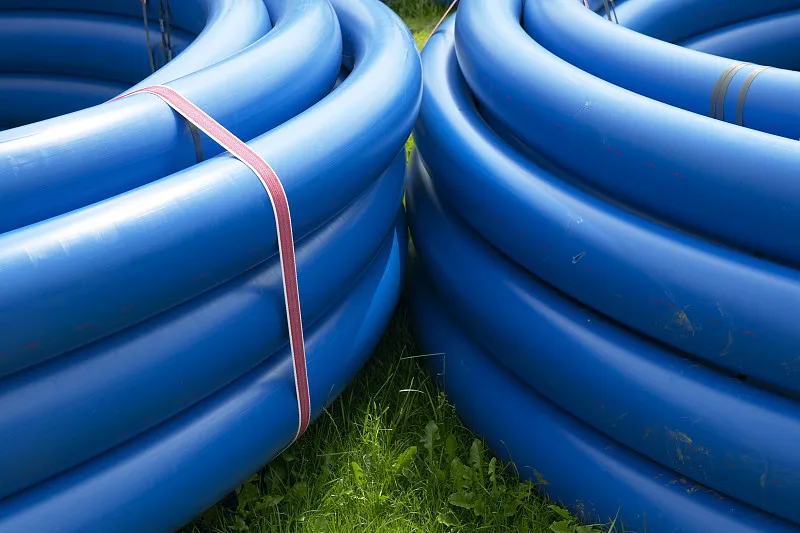
The rise of plastic pipes has transformed the way industries approach the transportation of water, gas, chemicals, and other essential materials. Plastic pipe manufacturers play a pivotal role in driving this change, providing innovative, cost-effective, and durable solutions that are increasingly being adopted across various sectors. The impact of plastic pipe manufacturing goes beyond just offering a material alternative to traditional metal or clay pipes. It extends into environmental, economic, and societal benefits. This article explores how plastic pipe manufacturers are shaping the future of infrastructure, sustainability, and overall efficiency.
1. Revolutionizing Infrastructure Development
Plastic pipes have become a key component in modern infrastructure development. From residential plumbing to large-scale industrial projects, plastic pipes offer a versatile solution that meets the needs of a wide range of applications. The influence of plastic pipe manufacturers can be seen in the shift from traditional piping materials like steel, copper, and cast iron to more efficient and cost-effective alternatives.
Plastic pipes are not only easier to manufacture and transport, but they also reduce installation costs due to their lightweight nature. These benefits have significantly impacted the way infrastructure is planned, built, and maintained, making it more affordable and accessible for developers and contractors. The widespread use of plastic pipes has helped speed up construction timelines and has reduced the overall cost of building water, gas, and sewer systems in urban and rural areas alike.
2. Boosting Water and Energy Efficiency
Water and energy efficiency are among the most pressing concerns in modern construction, particularly in the face of global climate change. Plastic pipes have contributed to improving both these aspects in a variety of ways. Plastic pipe manufacturers have developed products that are resistant to corrosion, scaling, and blockages, ensuring that water systems run efficiently over time. This resistance to buildup reduces the frequency of maintenance and repairs, contributing to long-term savings and minimized resource wastage.
In addition, plastic pipes are often used in applications that require temperature regulation, such as hot water distribution systems. The insulating properties of materials like PEX and CPVC help to reduce energy loss, which can lead to lower heating costs in residential and commercial buildings. By improving the overall efficiency of plumbing and heating systems, plastic pipes play a significant role in reducing the environmental footprint of construction projects.
3. Enhancing Sustainability and Environmental Benefits
As sustainability becomes an increasingly important goal in the construction and infrastructure sectors. Plastic pipe manufacturers are rising to the challenge by developing more eco-friendly products. Many manufacturers now produce pipes from recycled plastic or use materials that can be fully recycled at the end of their lifespan. This move toward circular economy practices helps to reduce the environmental impact associated with the production and disposal of pipes.
Furthermore, plastic pipes are lighter and easier to transport, which reduces the carbon footprint of shipping and handling. Their longevity and resistance to corrosion also mean fewer replacements and repairs, reducing the amount of waste generated over time. These factors contribute to making plastic pipes an environmentally responsible choice for infrastructure projects. Especially when compared to metal pipes, which are more resource-intensive to produce and maintain.
4. Economic Impact and Cost Savings
The economic impact of plastic pipe manufacturers extends far beyond the construction industry. The cost-effectiveness of plastic pipes has made them a popular choice for contractors, developers, and municipalities alike. Due to their lower production costs, plastic pipes are significantly more affordable than many traditional piping materials. Allowing developers to allocate resources to other areas of construction.
The ease of installation further reduces costs, as plastic pipes can be cut, joined, and fitted quickly, requiring less labor and fewer specialized tools. In large-scale projects, these cost savings add up, making plastic pipes an attractive option for government-funded infrastructure projects, commercial developments, and residential buildings. Over time, the reduced need for maintenance and repairs adds to the overall savings. Making plastic pipes a sound investment for both short-term and long-term projects.
5. Improving Safety and Health Standards
Plastic pipes have also had a significant impact on public health and safety. Unlike metal pipes, which can corrode over time and contaminate the water supply with rust or other harmful particles, plastic pipes remain inert and do not react with the water they carry. This resistance to contamination ensures that water systems remain safe for human consumption. Reducing the risk of waterborne diseases and improving overall public health.
Additionally, plastic pipes are less prone to leaks and breakages than their metal counterparts. These pipes can withstand external pressures such as soil movement or temperature fluctuations, making them more resilient in areas prone to environmental changes. The improved durability of plastic pipes reduces the likelihood of hazardous leaks or ruptures, contributing to the safety and reliability of essential utilities.
6. Global Access and Development
Plastic pipes have also facilitated the growth of infrastructure in developing regions around the world. Because they are cost-effective, lightweight, and easy to transport, plastic pipes have become a key solution for regions where access to quality plumbing materials was once limited. In remote areas or emerging markets, plastic pipes are often the go-to choice for water distribution systems, sewage systems, and irrigation networks.
Plastic pipe manufacturers have played a crucial role in making these products accessible to a wider audience. Helping to improve living conditions and promote public health in underserved regions. The adoption of plastic pipes has allowed developing countries to build essential infrastructure quickly and affordably. Reducing the barriers to economic and social development.
IFAN is a brand that offers products that meet a wide range of international standards, ensuring the quality and reliability of every product. Product standard including:ISO 15494 series standards, EN ISO 15494, DIN 8077/8078, ASTM F2389, GB/T 19472 series standards, NBR 15494. IFAN is committed to providing high quality products and excellent service!
Conclusion
The impact of plastic pipe manufacturers on modern infrastructure is undeniable. These manufacturers have revolutionized the way water, gas, and other utilities are transported, offering solutions that are more efficient, affordable, and sustainable. From reducing construction costs to improving public health and safety. Plastic pipes have become an essential part of modern infrastructure development. As manufacturers continue to innovate and focus on environmental responsibility. The influence of plastic pipes will only continue to grow, shaping the future of construction and sustainability.
Contact
IFAN is a professional manufacturer with 30 years of experience, dedicated to producing high-quality plastic pipes, fittings, and valves. Our products include brass valves, PPR valves, as well as various pipes and fittings to meet different customer needs. Whether you need plumbing and drainage pipes or valve products, IFAN can provide a diverse range of high-quality, cost-effective products to support your projects. Below is our contact information.
We will reply your email or fax within 24 hours.
You can call us at any time if there is any question on our production.
Pls Mailto: [email protected]
Whatsapp: + 86 19857948982







Recent Comments