
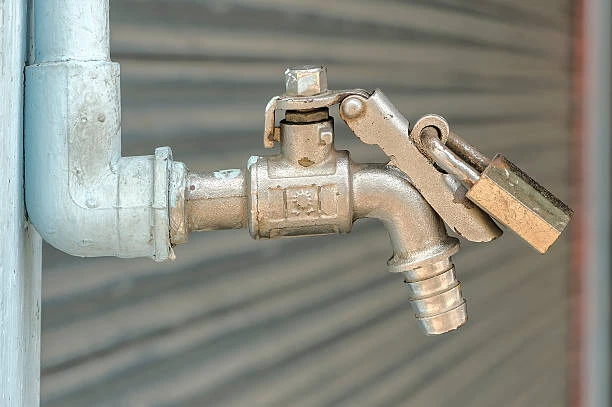
Tap water remains a cornerstone of daily hydration worldwide, yet its safety and usability spark ongoing debates shaped by regional regulations, environmental factors, and public health priorities. This article explores the complexities of tap water consumption, addressing its benefits, risks, and evolving solutions.
1. Tap Water Safety: A Global Patchwork of Standards
Municipal tap water quality varies dramatically across regions. In the UK, for instance, cold tap water meets safety standards for direct consumption, but recent studies detected per- and polyfluoroalkyl substances (PFAS) in 45% of tested samples in England, with 10% exceeding the EU’s stricter threshold of 2.2 ng/l. While Scotland plans to adopt EU guidelines, England and Wales lag in regulatory updates. Similarly, nearly half of U.S. tap water samples tested positive for PFAS, surpassing proposed federal limits. These “forever chemicals” link to health risks like thyroid disorders and cancer, raising concerns despite official assurances of safety.
2. Infrastructure and Health Implications
Aging infrastructure exacerbates contamination risks. In the U.S., corroded pipes in cities like Flint, Michigan, have leached lead into drinking water, while urban areas globally face higher PFAS exposure due to industrial runoff. Hard water, prevalent in southern England, contains high mineral concentrations that may contribute to hair damage and plumbing issues, though it remains safe to drink. Public health agencies emphasize that proper treatment—such as chlorine disinfection—neutralizes pathogens like COVID-19, ensuring tap water’s role in hygiene remains irreplaceable.
3. Filtration Systems: Bridging Trust Gaps
To address quality concerns, households increasingly adopt filtration technologies. Brita and Aqua Optima dominate markets with activated carbon filters that reduce chlorine, heavy metals, and limescale. Brita’s smart filter-life indicators and portable bottles cater to on-the-go needs, while brands like Bobble focus on taste enhancement. Shower filters also gain traction in hard-water regions to mitigate hair damage. However, filters vary in efficacy; some models cannot remove dissolved minerals or PFAS, necessitating informed consumer choices.
4. Bottled Water: Convenience vs. Sustainability
Skepticism toward tap water fuels a booming bottled water industry. In the UK, supermarkets offer still, sparkling, and mineral waters, with brands like Evian and Buxton appealing to taste preferences. Yet plastic bottle production emits 0.5 kg of CO₂ per unit and contributes to landfill waste, prompting environmental backlash. Poland’s tap water revival—99.7% of which now meets EU standards—showcases how infrastructure upgrades can reduce reliance on bottled alternatives.
5. Cultural and Regional Consumption Patterns
Attitudes toward tap water reflect cultural norms. Britons commonly drink cold tap water at restaurants, while Americans exhibit higher distrust, with 45% of urban residents facing elevated PFAS risks. In Poland, decades of infrastructure modernization reversed historical skepticism, with tap water now recognized for its mineral richness, rivaling bottled options in calcium and magnesium content. Conversely, developing regions often lack access to treated water, perpetuating health disparities.
6. Health Guidelines and Hydration Myths
The “8×8 rule” (eight 8-ounce glasses daily) oversimplifies hydration needs. Individual requirements depend on activity levels, climate, and health conditions. While excessive water intake rarely causes harm, balanced consumption supports kidney function, digestion, and metabolic health. Urine color—ideally pale yellow—serves as a practical hydration gauge.
7. Future Directions: Technology and Policy
Innovations like IoT-enabled water quality sensors and nano-coated filtration materials promise real-time contamination monitoring and enhanced PFAS removal. Regulatory harmonization, such as Scotland’s alignment with EU PFAS limits, could pressure lagging regions to prioritize stricter standards. Public education campaigns must demystify tap water safety while promoting sustainable alternatives like reusable bottles and home carbonation systems (e.g., SodaStream).
Conclusion
Tap water’s role in global hydration hinges on transparency, infrastructure investment, and consumer empowerment. While filtration and bottled water offer short-term solutions, long-term sustainability demands systemic upgrades and policy reforms. By balancing safety, convenience, and environmental stewardship, societies can transform tap water from a contested resource into a universal pillar of public health.
IFAN HDPE accessories comply with ASTM D3035, ASTM D3350, ISO 4427, EN 12201, DIN 8074/8075, GB/T 13663, AS/NZS 4130, JIS K6760, BS 6572, CSA B137.1 to reflect the professionalism of the brand.
Contact
IFAN is a professional manufacturer with 30 years of experience, dedicated to producing high-quality plastic pipes, fittings, and valves. Our products include brass valves, PPR valves, as well as various pipes and fittings to meet different customer needs. Whether you need plumbing and drainage pipes or valve products. IFAN can provide a diverse range of high-quality, cost-effective products to support your projects. Below is our contact information.
We will reply your email or fax within 24 hours.
You can call us at any time if there is any question on our production.
Pls Mailto:[email protected]




Recent Comments