
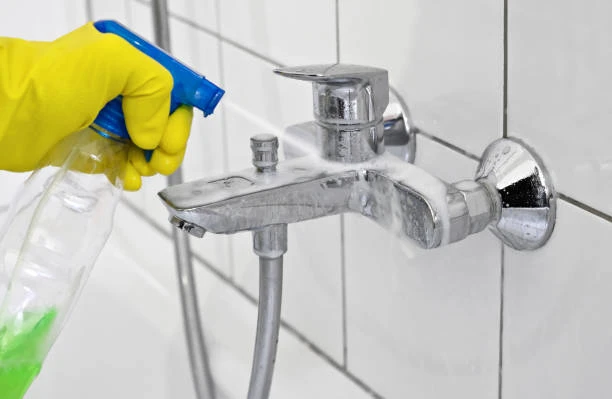
1. Introduction: Reimagining the Kitchen with Instant Hot Water
Water boiler taps are on the cusp of a transformative era, reshaping how households and businesses access hot water. Once confined to luxury kitchens, these taps are evolving into smart, eco-friendly hubs that blend convenience, technology, and sustainability. This article explores the untapped potential of water boiler taps, from groundbreaking innovations to untapped markets, and how they could become indispensable in daily life.
2. Smart Home Integration: The Tap as a Connected Device
The future of water boiler taps lies in their integration with smart home ecosystems. Imagine taps that sync with voice assistants like Alexa or Google Assistant, allowing users to preheat water remotely or adjust temperatures via a smartphone app. Brands are already experimenting with AI-driven models that learn user habits—for instance, automatically heating water to 85°C for tea at 7 a.m. A tech strategist predicted, “By 2030, boiler taps will anticipate your needs, much like a smart thermostat.” Such connectivity will turn taps into central nodes of a connected home.
3. Health and Wellness: Beyond Boiling Water
Health-conscious consumers are pushing taps beyond basic functionality. Future models may incorporate advanced filtration systems to remove contaminants, UV sterilization for pathogen-free water, or even mineral-enrichment features for nutritional benefits. A startup founder envisioned, “Why stop at boiling? Our tap will add electrolytes or vitamin C to your water, tailored to your health goals.” Brands that prioritize wellness will tap into a growing market of consumers treating their kitchen as a personal wellness center.
4. Sustainability 2.0: Zero-Waste and Renewable Energy
The next frontier for boiler taps is sustainability. Innovations like solar-powered heating, rainwater harvesting compatibility, or zero-plastic designs (e.g., refillable filter cartridges) will align with global climate goals. Imagine taps that offset their energy use by feeding surplus heat back into a home’s water system. An environmental engineer noted, “A circular economy approach—where taps are designed for disassembly and recycling—could reduce e-waste by 80%.” Eco-brands that lead this charge will dominate the conscious consumer segment.
5. Commercial Expansion: From Kitchens to Offices and Hospitals
Water boiler taps are poised to disrupt commercial spaces. Offices could adopt taps with usage analytics to optimize energy consumption, while hospitals might use them for sterile water in patient care. Restaurants could leverage taps with precision temperature control for cooking or beverage service. A facilities manager shared, “Our staff saves 2 hours daily using a boiler tap instead of multiple kettles.” As businesses prioritize efficiency and hygiene, taps will become critical infrastructure.
6. Customization and Personalization: Taps for Every Lifestyle
The future of water boiler taps is personal. Brands will offer modular designs, allowing users to swap spouts, handles, or finishes to match evolving kitchen aesthetics. Users might customize temperature profiles (e.g., “baby bottle mode” at 70°C) or even program the tap to dispense water in specific volumes. A design expert remarked, “Your tap will reflect your identity—much like a smartphone case or a pair of sneakers.” Such customization will drive brand loyalty and premium pricing.
7. Emerging Markets and Affordability: Democratizing Access
While current markets skew toward affluent buyers, emerging economies hold vast potential. Brands are developing affordable, compact taps for small apartments or regions with unreliable electricity. Solar-powered models for off-grid communities or pay-as-you-go systems for low-income households could democratize access. A social entrepreneur stated, “A $50 tap that runs on sunlight could transform rural health by providing safe, hot water for sterilization.” Inclusivity will be key to unlocking global growth.
8. The Road Ahead: Collaboration and Disruption
The future of water boiler taps hinges on collaboration. Partnerships between tech firms, plumbing manufacturers, and sustainability advocates will drive innovation. For instance, a tech giant might partner with a tap brand to integrate AI, while a water nonprofit could co-develop affordable models for disaster zones. A venture capitalist warned, “Innovators who isolate themselves will lose. The future belongs to ecosystems, not silos.”
Conclusion: A Tap That Transforms Lives
Water boiler taps are no longer just appliances—they are gateways to a smarter, healthier, and more sustainable future. From AI-powered convenience to zero-waste designs, the potential is limitless. Brands that embrace collaboration, prioritize user needs, and think beyond traditional boundaries will lead this revolution. As the world grapples with climate change, urbanization, and health crises, the humble tap could emerge as a symbol of progress—one that heats, filters, and connects us to a better tomorrow. The question is no longer if boiler taps will transform our lives, but how swiftly and creatively we let them.
IFAN PPH products comply with international standards such as ISO 15494 series standards, EN ISO 15494, DIN 8077/8078, ASTM F2389, GB/T 19472 series standards, and NBR 15494.
Contact
IFAN is a professional manufacturer with 30 years of experience, dedicated to producing high-quality plastic pipes, fittings, and valves. Our products include brass valves, PPR valves, as well as various pipes and fittings to meet different customer needs. Whether you need plumbing and drainage pipes or valve products. IFAN can provide a diverse range of high-quality, cost-effective products to support your projects. Below is our contact information.
We will reply your email or fax within 24 hours.
You can call us at any time if there is any question on our production.
Pls Mailto:[email protected]


Recent Comments