
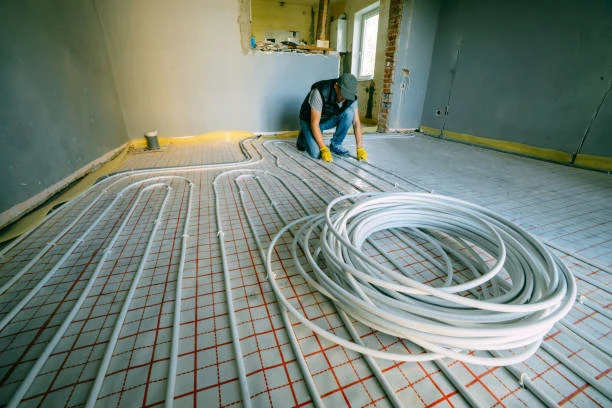
The growing popularity of radiant floor heating systems is no accident. Homeowners and builders alike are recognizing the unparalleled comfort, energy efficiency, and design flexibility these systems provide. While the boiler or heat pump often gets the spotlight, the true heroes of any radiant system are the floor heating pipes silently working beneath the surface. Their performance, durability, and overall success hinge entirely on their intrinsic material properties and design characteristics. We will define what they are, break down their critical characteristics, examine their wide-ranging applications, and answer the most pressing questions to provide a complete understanding of why choosing the right pipe is the most fundamental decision in creating a warm and efficient living environment.
Basic Definition and Key Characteristics
Primarily made from various grades of plastic polymer, such as PEX (Cross-Linked Polyethylene) or PERT (Polyethylene of Raised Temperature Resistance), these pipes form a continuous, reliable loop that acts as the system’s circulatory system.
The exceptional suitability of these pipes for radiant heating stems from a combination of meticulously engineered characteristics:
- Outstanding Flexibility and Coil Memory: This is a foundational trait. The pipes must be flexible enough to be snaked in long, continuous loops from a central manifold without kinking or requiring numerous connections under the floor. High-quality pipes, especially those made from PEX-a, possess excellent coil memory and can even have accidental kinks repaired with careful heat application, preserving the integrity of the loop.
- Exceptional Thermal Resistance and Durability: These pipes constantly endure a demanding environment, facing high temperatures (typically up to 200°F/93°C under pressure), constant water pressure, and potential chemical exposure from water additives. PEX and PERT polymers are specifically formulated to resist thermal degradation, creep, and stress cracking over decades of use, ensuring a lifespan often quoted at It depends on the actual situation. or more.
- Integrated Oxygen Diffusion Barrier: A critical feature for closed-loop hydronic systems is an oxygen barrier. This is typically a middle layer of EVOH (Ethylene Vinyl Alcohol) co-extruded within the pipe wall. This barrier is essential because it prevents oxygen from permeating through the pipe and dissolving into the water. Oxygen in the system leads to corrosion and oxidation of ferrous components like boilers, circulators, and valves, which can cause premature system failure.
Common Uses and Application Industries
The unique combination of traits possessed by floor heating pipes makes them the preferred solution across a diverse spectrum of industries, far beyond the familiar residential bathroom.
- Whole-Home Residential Comfort: The primary market is in residential new construction and renovations. Homeowners use these pipes to provide silent, even heat throughout every room, eliminating cold spots and drafts. Their compatibility with almost all floor types, including tile, stone, laminate, and engineered wood, makes them a versatile choice for any design aesthetic.
- Commercial and Institutional Buildings: Offices, luxury hotels, museums, and libraries utilize radiant heating for its comfort and its practical benefits. The invisible system preserves architectural design and provides significant energy savings in large spaces with high ceilings. Schools and hospitals benefit from the improved hygiene, as the system does not circulate air, allergens, or dust, creating a healthier environment.
- Industrial and Agricultural Applications: In warehouses, workshops, and airplane hangars, radiant floor heating provides targeted comfort in specific work areas without the massive energy waste of heating vast volumes of air.
- Snow and Ice Melting Systems: This is a premium application that showcases the system’s reliability. Activated by a sensor, the system automatically melts snow and ice upon contact, providing safety, convenience, and eliminating the need for harmful salt or chemicals.
- Sports and Recreation: From warming the turf of a soccer stadium to keeping the concrete around an outdoor pool comfortable, radiant heating pipes find specialized uses in recreational facilities, enhancing usability and safety in all weather conditions.
Frequently Asked Questions (FAQ)
1. What is the difference between PEX and PERT pipes for floor heating?
Both are excellent choices. PEX (Cross-Linked Polyethylene) undergoes a process that creates cross-links between polymer chains, giving it superior high-temperature strength, thermal memory, and resistance to stress cracking. PEX-a, made with the peroxide method, is often considered the premium grade. PERT (Polyethylene of Raised Temperature Resistance) is a more recent, non-cross-linked material that is highly durable and temperature resistant.
2. Why is an oxygen barrier so important?
An oxygen barrier is absolutely crucial for protecting the entire heating system. Without it, oxygen can slowly diffuse through the walls of the pipe and enter the water circuit. Oxygenated water causes rapid oxidation and corrosion of any iron or steel components it contacts, such as the boiler heat exchanger, circulator pump, and valves. This corrosion can lead to sludge buildup, reduced efficiency, noisy operation, and ultimately, complete component failure, which is costly to repair.
3. How do these pipes handle expansion and contraction with temperature changes?
Plastic pipes naturally expand and contract more than metal pipes when heated and cooled. This is a normal characteristic that installers account for during the design phase. The flexibility of PEX and PERT allows them to absorb this stress without issue.
4. Are there any environmental benefits to using these specific pipes?
Yes, there are several. Firstly, the incredible energy efficiency of radiant floor heating itself lowers the carbon footprint of a building. Secondly, the manufacturing process for PEX and PERT generally requires less energy than for metal pipes. Thirdly, their long lifespan (50+ years) and corrosion resistance mean they won’t need replacing, reducing waste. Finally, the smooth interior reduces pumping energy requirements, adding to overall system efficiency.
Conclusion
In summary, the remarkable effectiveness of a radiant floor heating system is a direct result of the sophisticated engineering behind its most fundamental component: the heating pipe. These inherent traits unlock a world of applications, from delivering ultimate residential comfort to solving complex heating challenges in commercial, industrial, and agricultural settings. Understanding these core characteristics empowers homeowners, architects, and installers to make informed decisions, ensuring that the selected pipe not only meets but exceeds the demands of the project. By choosing the right pipe for the job, one invests in a system that promises silent, invisible, and supremely comfortable warmth for generations, truly building a foundation of comfort from the ground up.
IFAN’s international standards
IFAN products comply with multiple international standards, including BS 3505, BS 4346, ASTM D1785 SCH40, ASTM D1785 SCH80, DIN, GB, DWV, ASTM D2665, ASTM D2241, ASTM D2729, ASTM F441/F441M, ISO 1452 Series standards, EN ISO 1452, DIN 8061/8062, GB/T 10002 Series standards, AS/NZS 1477, JIS K6741, CSA B137.3, NSF/ANSI 14, TIS 17-2532/1131-2535, among others. These certifications ensure that IFAN piping systems meet global requirements for safety, durability, and performance.
Contact
IFAN is a professional manufacturer with 30 years of experience, dedicated to producing high-quality plastic pipes, fittings, and valves. Our products include brass valves, PPR valves, as well as various pipes and fittings to meet different customer needs. Whether you need plumbing and drainage pipes or valve products. IFAN can provide a diverse range of high-quality, cost-effective products to support your projects. Below is our contact information.
We will reply your email or fax within 24 hours.
You can call us at any time if there is any question on our production.
Pls Mailto:[email protected]







Recent Comments