
The Importance of Corrosion Resistance
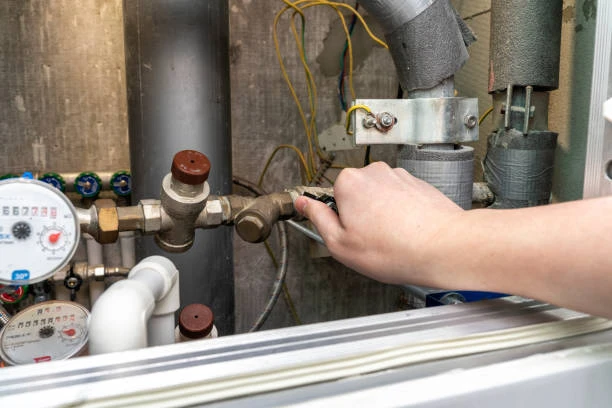
Copper joints play a crucial role in plumbing, HVAC systems, gas distribution, and industrial applications. One of their most valuable properties lies in their exceptional resistance to corrosion. Corrosion can compromise the integrity of piping systems, leading to leaks, contamination, and costly repairs. Copper joints provide a durable and long-lasting solution by maintaining structural integrity even in harsh environments. This article explores the mechanisms behind copper’s corrosion resistance, the benefits it offers, and why it remains a preferred choice for piping systems worldwide.
Natural Protective Layer Formation
Copper joints resist corrosion due to their ability to form a natural protective layer. When exposed to air and moisture, copper reacts with oxygen to create a thin, stable oxide layer. This layer prevents further degradation by acting as a shield against corrosive elements. Unlike iron or steel, which rusts and weakens over time, copper joints develop a patina that enhances their longevity. This self-protecting characteristic makes copper joints ideal for environments where moisture and oxygen exposure frequently cause damage to other metals.
Performance in Water Systems
Copper joints excel in plumbing systems that carry both hot and cold water. Water quality, pH levels, and mineral content can accelerate corrosion in many materials, but copper joints handle these variations effectively. Their resistance to pitting and dezincification ensures a long service life, even in regions with aggressive water chemistry. Additionally, copper’s antimicrobial properties help prevent bacterial growth within pipes, reducing the risk of contamination in drinking water systems. By maintaining clean and durable connections, copper joints contribute to safer and more reliable water distribution.
Suitability for Harsh Environments
Copper joints withstand extreme environmental conditions, making them an excellent choice for industrial applications. Chemical exposure, fluctuating temperatures, and high humidity levels can rapidly degrade many metals, but copper joint remain stable. In coastal areas, where salt-laden air accelerates corrosion in steel and iron, copper maintains its integrity. Similarly, in industrial plants that handle corrosive gases or chemicals, copper joint offer superior performance. This resilience allows copper joints to function reliably in applications where other materials may fail, reducing maintenance costs and system downtime.
Resistance to Galvanic Corrosion
Copper joints demonstrate strong resistance to galvanic corrosion, a common issue in mixed-metal systems. When different metals come into contact in the presence of an electrolyte, one metal corrodes faster due to electrochemical reactions. Copper, when paired with compatible materials such as brass or bronze, minimizes the risk of galvanic corrosion. Proper installation techniques and the use of dielectric unions further enhance copper joint’ longevity in multi-metal piping networks. This advantage ensures that copper joints maintain their performance, even when integrated into complex systems.
Long-Term Cost Efficiency
The corrosion resistance of copper joints translates into significant cost savings over time. Frequent repairs, premature pipe failures, and system replacements increase maintenance expenses for homeowners, businesses, and industries. Copper joint reduce these risks by offering a durable and reliable solution that requires minimal upkeep. Their ability to resist corrosion extends the lifespan of piping systems, lowering long-term operational costs. Additionally, copper joint contribute to sustainability, as their long service life reduces material waste and resource consumption.
Conclusion
Copper joints provide unparalleled corrosion resistance, ensuring durability and reliability in various applications. Their natural protective layer, suitability for water systems, and resilience in harsh environments make them a preferred choice for plumbing, HVAC, and industrial piping. Their ability to resist galvanic corrosion further enhances their longevity, while their cost efficiency benefits both short-term budgets and long-term infrastructure planning. Whether in residential, commercial, or industrial settings, copper joint remain a trusted solution for corrosion-resistant piping systems.
Contact
IFAN is a professional manufacturer with 30 years of experience, dedicated to producing high-quality plastic pipes, fittings, and valves. Our products include brass valves, PPR valves, as well as various pipes and fittings to meet different customer needs. Whether you need plumbing and drainage pipes or valve products. IFAN can provide a diverse range of high-quality, cost-effective products to support your projects. Below is our contact information.
We will reply your email or fax within 24 hours.
You can call us at any time if there is any question on our production.
Pls Mailto: [email protected]
Whatsapp: + 86 19857948982





Recent Comments