
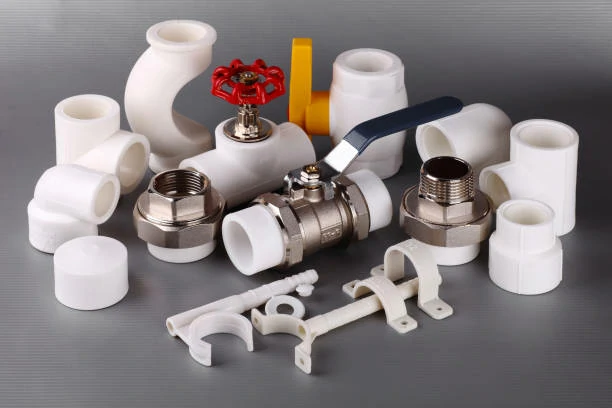
Polypropylene Random Copolymer (PPR) pipes have revolutionized the plumbing industry due to their exceptional durability, corrosion resistance, and ease of installation. However, the cost of these pipes can vary significantly based on several factors. This article delves into the primary factors that influence PPR pipe prices, providing insights for both consumers and professionals.
Material Quality and Composition
One of the fundamental factors affecting PPR pipe prices is the quality and composition of the material. High-quality PPR pipes are made from virgin polypropylene resin, which ensures optimal strength, flexibility, and longevity. These pipes often come with higher price tags compared to those made from recycled or lower-grade materials. The addition of special additives for enhanced UV resistance, flame retardancy, or chemical compatibility can further elevate costs.
Pipe Dimensions and Specifications
Pipe dimensions, including diameter and wall thickness, play a pivotal role in determining price. Larger diameter pipes generally cost more due to the increased material usage. Similarly, pipes with thicker walls, which can withstand higher pressures and temperatures, are priced higher than their thinner counterparts. The pressure rating of the pipe, indicated by MPa (Megapascal), also influences price, with higher ratings demanding more robust materials and thus higher costs.
Brand Reputation and Manufacturing Standards
Brand reputation and manufacturing standards significantly impact PPR pipe prices. Well-established brands with a history of producing high-quality pipes often charge a premium. These brands often adhere to stringent quality control measures and international standards, ensuring that their products meet or exceed industry benchmarks. Consumers willing to pay for brand reliability and peace of mind contribute to the pricing differential.
Regional Market Conditions
Regional market conditions, including supply and demand dynamics, labor costs, and transportation expenses, influence PPR pipe prices. Areas with high demand and limited manufacturing capacity tend to have higher prices. Conversely, regions with abundant manufacturing plants and lower labor costs may offer more competitive pricing. Transportation costs, especially for bulk orders, can also add to the final price, varying based on distance and logistics infrastructure.
Economic Factors and Currency Fluctuations
Global economic factors and currency fluctuations play a significant role in the pricing of imported PPR pipes. Countries dependent on imports may experience price variations due to changes in exchange rates. Additionally, economic downturns or inflationary pressures can affect raw material costs, manufacturing expenses, and consumer purchasing power, all of which contribute to fluctuations in pipe prices.
Additional Features and Customization
PPR pipes can come with additional features such as color coding for easy identification, special coatings for enhanced durability, or integrated insulation for thermal efficiency. These features can increase the price but offer practical benefits for specific applications. Customization options, such as bespoke lengths, specialized fittings, or branding, can also add to the cost, catering to niche market demands.
Installation and Ancillary Costs
When considering the overall cost of a plumbing project, it’s essential to factor in installation and ancillary costs. Professional installation services, while adding to the initial expenditure, can ensure the correct and efficient installation of PPR pipes, minimizing future maintenance and repair costs. Ancillary costs, such as pipe cutters, fittings, clamps, and adhesives, should also be budgeted for, as they can contribute significantly to the total project cost.
Conclusion: Balancing Cost and Value
Understanding the factors that influence PPR pipe prices is crucial for making informed purchasing decisions. By evaluating material quality, pipe specifications, brand reputation, regional market conditions, economic factors, additional features, and installation costs, consumers and professionals can balance cost and value, ensuring that the chosen pipes meet project requirements while staying within budget constraints. With this comprehensive analysis, making the right choice becomes a more straightforward process.
Best PPR pipe fitting supplier
| Brand | Establishment Date | Company Address |
| IFAN | 1993 | Zhejiang,China |
| chuangrong | 1998 | Shangdong,China |
| kangyu | 2000 | Taizhou,China |
| SAM-UK | 2006 | Chengdu,China |
| DONSEN | 2006 | Zhejiang,China |
| RAK | 1963 | United Arab Emirates |
IFAN brand stands out in the market by offering PPR products that adhere to a wide array of international standards. These products meet the rigorous requirements of ISO 15874 series standards, ensuring quality and reliability. They also align with EN 15874 series standards, which testifies to their compliance with European norms. Additionally, IFAN PPR products conform to ASTM F2389, providing assurance of their compatibility with American standards. The adherence to DIN 8077/8078 guarantees their suitability for German specifications, while compliance with GB/T 18742 series standards reflects their alignment with Chinese regulations. Furthermore, IFAN meets the NBR 15884 standard, showcasing their commitment to Brazilian market requirements. This comprehensive compliance underscores IFAN’s dedication to producing versatile and globally accepted PPR solutions.
Contact
IFAN is a professional manufacturer with 30 years of experience, dedicated to producing high-quality plastic pipes, fittings, and valves. Our products include brass valves, PPR valves, as well as various pipes and fittings to meet different customer needs. Whether you need plumbing and drainage pipes or valve products. IFAN can provide a diverse range of high-quality, cost-effective products to support your projects. Below is our contact information.
We will reply your email or fax within 24 hours.
You can call us at any time if there is any question on our production.
Pls Mailto: [email protected]
Whatsapp: + 86 19857948982





Recent Comments