
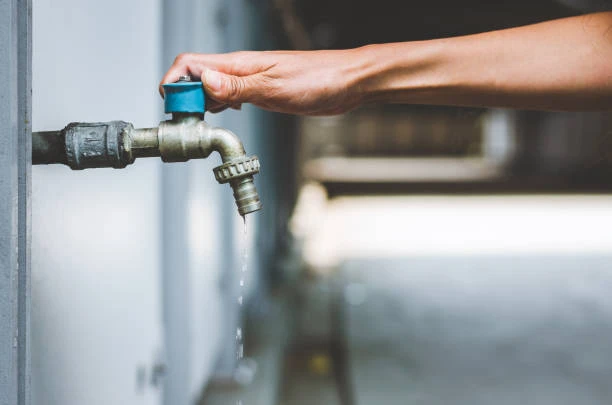
1. Filter Care 101: Don’t Let Your Guard Down
As a tap water advocate, I learned the hard way: Filters only work if you maintain them. My Brita pitcher’s “replace filter” light once stayed ignored for weeks—until my coffee started tasting like a swimming pool. Now, I religiously swap cartridges every 40 gallons (about 2 months). For under-sink reverse osmosis (RO) systems, membrane changes ($80/year) are non-negotiable. Pro tip: Mark filter dates on your calendar. A 2023 NSF study found 60% of households use expired filters, letting contaminants like lead and chlorine sneak back in.
2. Pipe TLC: Preventing the Invisible Enemy
Old pipes can turn clean water toxic. After buying a 1980s home, I discovered galvanized steel pipes leaching zinc and iron. Replacing them with PEX ($2,500) was pricey but critical. For renters, flushing taps for 30 seconds each morning clears stagnant water that absorbs metals. I also installed a $20 lead test kit—peace of mind in cities with aging infrastructure. Bonus: Insulating pipes in winter prevents bursts and keeps water tasting fresh.
3. Hard Water Hassles: Fighting Limescale Without the Waste
My tap water’s hardness (180 ppm) left dishes spotty and skin itchy. A $40 water softener saved the day—but maintenance is key. Monthly salt refills ($6) and annual resin cleans keep it efficient. For a low-tech fix, white vinegar descales kettles and showerheads weekly. Hard water isn’t just annoying; it costs households $800/year in appliance damage (Water Quality Association).
4. Fridge Filters: The Silent Saboteurs
That filtered water from your fridge? It’s a breeding ground for bacteria if neglected. I replaced my Samsung filter every 6 months ($50) but still got a slimy surprise when mold grew in the drip tray. Now, I deep-clean it monthly with hydrogen peroxide and track filter life via the Glacier Fresh app. A Purdue study found 40% of fridge water has higher bacteria counts than tap—maintenance matters!
5. Emergency Prep: When the System Fails
During a 2023 boil advisory (thanks to a water main break), I realized tap water’s fragility. My emergency kit now includes:
- LifeStraw ($20): Filters bacteria and parasites.
- Bleach (unscented): 8 drops per gallon for disinfection.
- Sealed containers: For 3-day reserves (1 gallon/person/day).
Testing water post-crisis with a $15 kit revealed lingering chlorine—safe but foul. Letting it sit in an open pitcher for 24 hours fixed the taste.
6. Eco-Maintenance: Saving Water and the Planet
Fixing leaks isn’t just frugal; it’s eco-warrior work. My smart water meter detected a toilet leak wasting 200 gallons/month—now fixed for $10. Low-flow aerators ($5 each) cut usage by 30% without sacrificing pressure. For outdoor taps, I use a rain barrel ($80) to water plants, saving 1,300 gallons yearly. Every drop conserved reduces strain on treatment plants and energy grids.
7. Community Vigilance: Holding Systems Accountable
I once blindly trusted my city’s water reports—until PFAS were found locally at 4x the EPA limit. Now, I:
- Attend town halls demanding infrastructure upgrades.
- Use the EWG Tap Water Database to check contaminants.
- Push for lead pipe replacement programs (like the 2021 Bipartisan Infrastructure Law).
After petitioning, our town added 2 new water testing labs. Safe tap water isn’t just personal—it’s political.
Conclusion: Maintenance Is Power
Maintaining tap water isn’t chores—it’s empowerment. For $150/year in filters and vigilance, I’ve dodged plastic waste, saved $600 on bottled water, and protected my family from hidden toxins. Yes, it’s work, but so is brushing teeth or paying bills. In a world where 2 billion lack safe water, this small stewardship feels revolutionary. Grab a wrench, test your water, and join the fight—one drip at a time.
IFAN PPH products comply with international standards such as ISO 15494 series standards, EN ISO 15494, DIN 8077/8078, ASTM F2389, GB/T 19472 series standards, and NBR 15494.
Contact
IFAN is a professional manufacturer with 30 years of experience, dedicated to producing high-quality plastic pipes, fittings, and valves. Our products include brass valves, PPR valves, as well as various pipes and fittings to meet different customer needs. Whether you need plumbing and drainage pipes or valve products. IFAN can provide a diverse range of high-quality, cost-effective products to support your projects. Below is our contact information.
We will reply your email or fax within 24 hours.
You can call us at any time if there is any question on our production.
Pls Mailto:[email protected]





Recent Comments