
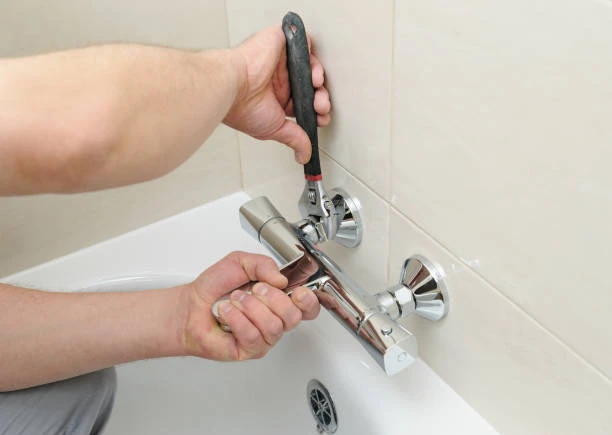
The global reliance on tap water as a primary drinking source demands systems that adapt to regional contaminants, infrastructure limitations, and user behaviors. This article examines how adaptable technologies, policies, and practices ensure safe tap water access across varying contexts.
1. Regional Contaminant Challenges
Municipal water systems must address location-specific pollutants. In Flint, Michigan, lead pipe corrosion forced utilities to add orthophosphate inhibitors—a solution irrelevant in New Delhi, where arsenic and fecal bacteria dominate. Japan’s Tokyo Waterworks adapts by employing advanced ozone treatment to neutralize odor-causing geosmin from algae blooms, while Singapore’s NEWater plant uses reverse osmosis (RO) to recycle wastewater into drinkable tap water. Such tailored treatments show how adaptability combats regional threats without universal over-engineering.
2. Household Filtration Customization
No single filter suits all homes. I recommend under-sink RO systems for families in PFAS-heavy zones like North Carolina’s Cape Fear Basin, where DuPont chemicals plagued supplies. Conversely, calcium-rich Barcelona tap water only needs ion-exchange softeners to prevent appliance scaling. For renters, faucet-mounted filters like PUR Plus offer modular adaptability, removing chlorine and lead without permanent installs. Brands now provide online water quality databases—enter a ZIP code, and algorithms suggest ideal products.
3. Infrastructure Resilience in Climate Crises
Adaptive engineering safeguards tap water during disasters. After Hurricane Maria, Puerto Rico’s Dorado district installed solar-powered purification units to maintain supply amid grid failures. California’s Orange County retrofitted aquifers with injection wells to prevent saltwater intrusion as sea levels rise. Such solutions exemplify climate adaptability, contrasting with reactive measures like bottled water rationing.
4. Behavioral Adaptations for Safe Consumption
User habits bridge systemic gaps. In Lagos, Nigeria, where inconsistent treatment forces boiling, startups like Safi offer $10 UV pens for on-the-go sterilization. Bostonians, wary of aging lead pipes, adopt “flushing first draws” each morning—a free, if tedious, workaround. Apps like MyTapWater gamify testing, rewarding users with discounts for submitting local quality data. These micro-adaptations empower individuals where macro solutions lag.
5. Policy Agility in Regulation
Dynamic regulations keep pace with emerging threats. When the EU’s 2023 PFAS limits rendered 30% of Danish tap water non-compliant, utilities accelerated granular activated carbon (GAC) filter retrofits. Conversely, Rwanda’s decentralized “water kiosks” bypass costly pipe networks, serving rural areas with modular treatment units. Such policy flexibility rejects one-size-fits-all mandates, prioritizing context over dogma.
6. Technological Hybridization
Emerging tech merges old and new methods. AI-powered sensors in South Korea’s smart pipes detect heavy metals in real time, triggering localized filtration bursts. Meanwhile, Arizona’s Sun Corridor combines ancient aquifer storage with modern electrocoagulation to remove nitrates from farm runoff. Even low-tech adaptations thrive: Kenyan schools use moringa seed powder—a natural coagulant—to clarify murky tap water during turbidity spikes.
7. Equity-Driven Adaptability
True adaptability prioritizes marginalized groups. Detroit’s Water Access Volunteer Program installs free filters in low-income homes flagged for shutoffs. In India’s slums, community-managed ATMs dispense RO-treated water at $0.01 per liter, avoiding privatized bottle dependence. Such models prove adaptability isn’t just technical—it’s socio-economic, ensuring innovations don’t bypass those needing them most.
Conclusion
Tap water’s role as humanity’s lifeline hinges on its adaptability to environmental, technological, and human variables. From AI-enhanced treatment plants to grassroots filtration cooperatives, the most effective solutions mirror nature’s resilience—evolving, diversifying, and persisting against odds. By championing context-aware adaptability over rigid systems, we transform tap water from a privilege into a universal right.
Adaptability Benchmarks
- Cost: Solutions under 1% of household income
- Speed: Deployable within 72 hours of contamination alerts
- Modularity: Compatible with existing infrastructure
- Inclusivity: Co-designed with end-users, not just engineers
IFAN HDPE accessories comply with ASTM D3035, ASTM D3350, ISO 4427, EN 12201, DIN 8074/8075, GB/T 13663, AS/NZS 4130, JIS K6760, BS 6572, CSA B137.1 to reflect the professionalism of the brand.
Contact
IFAN is a professional manufacturer with 30 years of experience, dedicated to producing high-quality plastic pipes, fittings, and valves. Our products include brass valves, PPR valves, as well as various pipes and fittings to meet different customer needs. Whether you need plumbing and drainage pipes or valve products. IFAN can provide a diverse range of high-quality, cost-effective products to support your projects. Below is our contact information.
We will reply your email or fax within 24 hours.
You can call us at any time if there is any question on our production.
Pls Mailto:[email protected]




Recent Comments