
Introduction
PPR tubes have become essential in modern plumbing systems due to their combination of strength, lightweight design, and durability. Made from polypropylene random copolymer, these pipes offer excellent resistance to high temperature, pressure, and corrosion. They provide safe and efficient solutions for transporting hot and cold water, making them ideal for residential, commercial, and industrial applications. Compared to traditional materials like copper, PVC, or galvanized iron, PPR tubes are easier to handle, install, and maintain, while ensuring long-term reliability. This article explores the definition, features, applications, buying considerations, comparisons, and advantages of PPR tubes, highlighting why they meet the demands of contemporary piping systems.
Frequently Asked Questions (FAQ)
1. What is a PPR tube?
A PPR tube is a type of plastic pipe made from polypropylene random copolymer, designed to transport water in plumbing systems safely and efficiently.
2. Are PPR tubes safe for drinking water?
Yes, PPR tubes are non-toxic and do not release harmful substances, ensuring safe and hygienic water supply for residential and commercial use.
3. How strong are PPR tubes?
PPR tubes have high tensile strength and pressure resistance, allowing them to handle hot and cold water systems without deformation or cracking.
4. Can PPR tubes handle hot water?
Yes, they are heat-resistant and can carry water at temperatures up to 95°C, making them suitable for heating and hot water supply applications.
5. How long do PPR tubes last?
With proper installation and care, PPR tubes can last over It depends on the actual situation., offering a long-term, cost-effective solution for modern plumbing systems.
Definition and Key Features of PPR Tube
PPR tubes are plastic pipes manufactured from polypropylene random copolymer, which gives them a combination of flexibility, strength, and chemical resistance. These pipes feature smooth inner and outer surfaces that reduce friction loss, ensuring efficient water flow and energy savings.
Key features of PPR tubes include high temperature and pressure resistance, corrosion and chemical stability, and a non-toxic composition. Unlike metal pipes, they do not corrode, rust, or leach harmful substances into the water. Their lightweight design allows for easier handling and faster installation, reducing labor costs in large-scale projects.
Additionally, PPR tubes are compatible with heat fusion joints, which create strong, leak-proof connections that are often more durable than the pipe itself. These features make PPR tubes reliable, efficient, and well-suited for modern plumbing requirements.
Common Uses and Industries
PPR tubes are versatile and widely used across different sectors. In residential applications, they are installed in kitchens, bathrooms, and hot water systems. Their ability to resist high temperatures ensures efficient operation of heating and water supply systems.
Commercial facilities such as hotels, hospitals, schools, and office buildings benefit from PPR tubes for water supply and heating networks. They provide reliable performance, minimize maintenance, and reduce system downtime.
Industrial applications also leverage PPR tubes for transporting chemicals, compressed air, and even food-grade liquids, thanks to their chemical resistance and hygienic properties. In agriculture, PPR tubes are used for irrigation systems, providing durability and resistance to outdoor weather conditions while maintaining consistent water flow for crops.
Buying Guide for PPR Tube
When choosing PPR tubes, it is important to consider several factors to ensure performance, safety, and longevity.
First, check the material quality. High-grade PPR tubes offer superior strength and resistance to high pressure and temperature. Avoid products made from recycled materials, which may compromise durability.
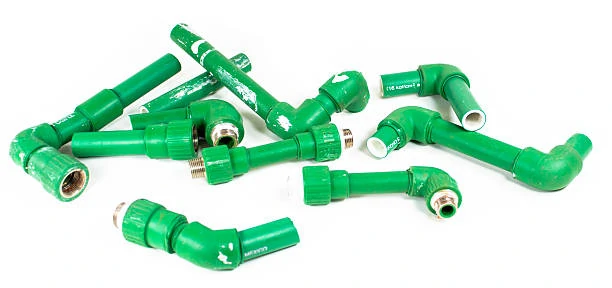
Second, look at the color and finish. Common colors such as green, white, and gray indicate manufacturer standards and may assist in system identification.
Third, certifications matter. PPR tubes that meet ISO, DIN, or ASTM standards ensure safety, hygiene, and compliance with international regulations, especially important for potable water systems.
Fourth, consider wall thickness and pressure rating. PPR tubes are categorized into different series (S2.5, S3.2, S4) designed to handle specific pressure levels. Choosing the correct series ensures safe and efficient operation.
Finally, consider fittings and installation compatibility. Using proper heat fusion or mechanical joints ensures leak-proof connections and optimal system integrity, providing a reliable long-term solution.
Advantages Based on Strong and Lightweight Design
The main advantage of PPR tubes is their combination of strength and lightweight design. Their robust construction ensures they can withstand high pressures and extreme temperatures without compromising safety or performance. At the same time, their lightweight nature makes them easy to transport, handle, and install, reducing labor and project time.
The strong design also ensures resistance to mechanical stress, scaling, and corrosion. PPR tubes maintain consistent water quality and flow efficiency, which is critical in residential, commercial, and industrial plumbing systems. Their heat fusion connections create leak-free joints that further enhance reliability, making them a preferred choice for modern piping needs.
PPR Tube vs Other Pipe Materials
| Feature | PPR Tube | PVC Pipe | Copper Pipe | Galvanized Iron Pipe |
|---|---|---|---|---|
| Durability | Very high, lasts over It depends on the actual situation. | Moderate, brittle in cold weather | High, may oxidize over time | Moderate, prone to rust |
| Weight | Lightweight, easy to handle | Lightweight, but less strong | Heavy, requires careful handling | Very heavy, difficult to install |
| Heat Resistance | Excellent, up to 95°C | Poor, not ideal for hot water | Excellent, high temperature resistant | Fair, affected by heat |
| Pressure Resistance | High, handles medium to high pressures | Low to medium | High | Medium |
| Safety for Drinking Water | Non-toxic, hygienic | Limited, may release chemicals | Safe but may corrode slightly | Not ideal, rust affects water quality |
| Installation Ease | Easy with heat fusion, lightweight | Easy, but joints weaker | Requires soldering or welding | Heavy, labor-intensive |
This comparison highlights why PPR tubes outperform traditional materials. They combine long-term durability, lightweight handling, and high performance at a competitive cost.
Conclusion
Strong and lightweight PPR tubes provide a reliable, efficient, and safe solution for modern plumbing needs. Their high strength, temperature and pressure resistance, chemical stability, and ease of installation make them suitable for residential, commercial, and industrial applications.
Compared with PVC, copper, and galvanized iron, PPR tubes offer superior durability, safety, and cost-effectiveness. Choosing high-quality, certified PPR tubes ensures a long-lasting water supply system with minimal maintenance. For anyone looking for a modern piping solution that balances strength, reliability, and convenience, PPR tubes remain the ideal choice.
IFAN’s international standards
IFAN adheres to a comprehensive set of international and national standards to ensure the highest quality and reliability of its products. These standards include ISO 15874 Series, EN 15874 Series, ASTM F2389, DIN 8077/8078, GB/T 18742 Series, NBR 15884, and others. By following these rigorous benchmarks, IFAN guarantees durable, safe, and efficient piping and fitting solutions for various applications.
Contact
IFAN is a professional manufacturer with 30 years of experience, dedicated to producing high-quality plastic pipes, fittings, and valves. Our products include brass valves, PPR valves, as well as various pipes and fittings to meet different customer needs. Whether you need plumbing and drainage pipes or valve products. IFAN can provide a diverse range of high-quality, cost-effective products to support your projects. Below is our contact information.
We will reply your email or fax within 24 hours.
You can call us at any time if there is any question on our production.
Pls Mailto:[email protected]









Recent Comments