
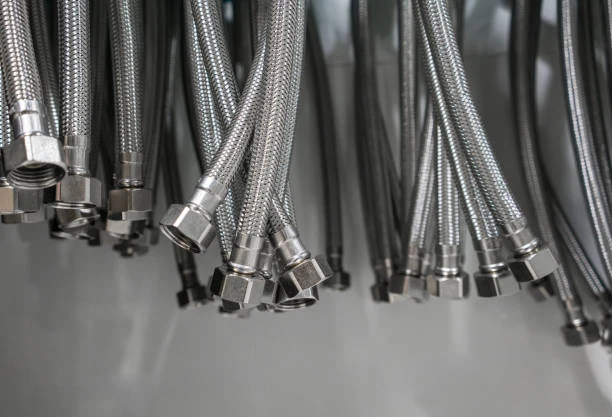
In construction, every component must perform under pressure—literally and figuratively. From high-rise plumbing systems to temporary water supply on job sites, stainless steel braided hoses offer unmatched flexibility, strength, and reliability. These hoses not only support essential water and gas distribution but also simplify installation, reduce system failures, and ensure long-term safety. This article explores the role of stainless steel braided hoses in construction, their features, use cases, and how they outperform other types of flexible hoses in durability and efficiency.
Frequently Asked Questions (FAQ)
1. Why are stainless steel braided hoses used in construction?
They are widely used because they resist high pressure, are easy to install, and can handle temperature fluctuations common in construction environments.
2. Can these hoses be buried or embedded in concrete?
While the stainless steel braid offers protection, they are generally not recommended for direct burial or embedding without protective sleeves.
3. Are they suitable for both temporary and permanent installations?
Yes. Stainless steel braided hoses are flexible enough for temporary setups yet durable for permanent installations in buildings.
4. Do construction sites require certified hoses?
Yes. Certified hoses (e.g., WRAS, NSF, ISO) ensure safety and compliance with plumbing and construction codes.
5. How do these hoses reduce labor time on job sites?
They arrive pre-assembled, are flexible for tight spaces, and reduce the need for cutting or threading, which speeds up installations.
Definition and Key Features
Stainless steel braided hoses consist of an inner tube—typically made from rubber (EPDM, NBR) or polymer (PTFE)—reinforced by an outer layer of stainless steel wire braid. This braided layer gives the hose superior tensile strength while maintaining flexibility.
Key features include:
- High pressure resistance: Ideal for water and gas under construction site conditions
- Flexibility: Easy to install around beams, through walls, or tight mechanical shafts
- Corrosion resistance: Suitable for outdoor or wet conditions
- Vibration absorption: Reduces stress on joints in mechanical systems
- Fire resistance: Stainless steel doesn’t burn or melt under normal conditions
These properties make them highly effective in demanding environments found in all stages of construction.
Common Construction Applications
Stainless steel braided hoses are versatile tools in modern building projects. They appear in both infrastructure and internal building systems.
Plumbing and HVAC systems:
- Connecting water heaters, boilers, and pumps
- Temporary water lines for site usage
- Flexible connectors for radiators and fan coils
- Drainage connections for greywater and storm systems
Gas and fuel installations:
- Natural gas or LPG connections in modular structures
- Fuel delivery lines for generators or mobile equipment
Fire protection systems:
- Flexible sprinkler system branches
- Emergency water supply links
Concrete and surface work:
- Watering curing concrete with controlled flow
- Hook-ups for on-site mixers or wash stations
Because they reduce vibration and movement stress, stainless steel braided hoses prevent fatigue in mechanical systems and extend the lifespan of fittings and appliances.
Buying Guide: What to Look for in Construction-Grade Hoses
Selecting the right hose can prevent costly errors and ensure project timelines are met. Here’s what to consider:
1. Inner tube material:
- EPDM: Ideal for potable water and heating systems
- PTFE: Great for chemical compatibility and high temperature
- NBR: Suitable for fuel and oil applications
2. Stainless steel braid type:
- 304 stainless steel: Standard for most water and HVAC systems
- 316 stainless steel: Recommended for aggressive environments (coastal, chemical plants)
3. Hose diameter and length:
- Choose sizes based on flow rate requirements and available space
- Custom lengths reduce joint numbers and labor time
4. Certification and compliance:
- WRAS / NSF: Confirms safe use for drinking water
- ISO 10380: Validates mechanical and fatigue performance
- CE / EN standards: Ensure compliance in European markets
5. Fittings and connections:
- Pre-installed fittings (e.g., BSP, NPT, compression) simplify work
- Ensure compatibility with existing piping systems
Reliable suppliers should offer full technical datasheets, material specs, and pressure/temperature ratings for each hose.
Installation Tips for Construction Sites
Correct installation is vital for performance and safety. In construction settings, the following tips ensure a smooth and secure setup:
- Avoid tight bends: Maintain minimum bend radius to prevent damage
- Leave movement allowance: Allow for expansion or vibration without stress
- Use proper sealing tape or washers: Prevent leaks at threaded or compression connections
- Check for debris: Flush systems before connection to avoid clogging
- Label and tag hoses: For easy identification and maintenance in complex systems
Stainless steel braided hoses reduce the need for precision pipe cutting, threading, or welding on-site, which speeds up installation and improves worker safety.
Comparison with Other Hose Types
| Feature | Stainless Steel Braided Hose | Rubber Hose | PVC Hose | Copper Piping |
|---|---|---|---|---|
| Flexibility | High | Medium | High | Low |
| Installation speed | Fast | Moderate | Fast | Slow (requires welding or soldering) |
| Pressure resistance | Excellent | Moderate | Low | Excellent |
| Durability in construction | Excellent | Moderate | Poor | High |
| Reusability | Yes | Limited | Rare | No |
| Suitability for temporary use | Excellent | Moderate | High | Poor |
| Environmental resistance | High | Low | Low | High |
Stainless steel braided hoses balance the speed and flexibility of synthetic hoses with the strength and longevity of metal piping, offering the best of both worlds for construction projects.
Conclusion
In construction, time is money, and reliability is essential. Stainless steel braided hoses are the go-to solution for both temporary and permanent connections across residential, commercial, and industrial sites. Their flexibility, strength, and safety certifications make them a dependable component in a wide range of applications—from water supply to gas distribution.
Choosing stainless steel braided hoses not only reduces installation time but also ensures a long-lasting system with minimal maintenance needs. For any construction project looking to optimize cost, safety, and performance, these hoses offer a smart and future-proof solution.
IFAN Quality and Construction Standards
IFAN manufactures stainless steel braided hoses with strict adherence to global construction and plumbing requirements. Our products support reliable construction outcomes with the following guarantees:
- Certified according to ISO 10380 for mechanical and fatigue resistance
- Tested under EN and ASTM standards for water and gas use
- Available with WRAS and NSF approvals for potable water installations
- Robust stainless steel braiding (304 and 316) for site durability
- Customized assemblies available for large-scale construction supply chains
With over 30 years of experience in fluid systems, IFAN continues to support modern construction through innovation, quality, and responsive service.
Contact
IFAN is a professional manufacturer with 30 years of experience, dedicated to producing high-quality plastic pipes, fittings, and valves. Our products include brass valves, PPR valves, as well as various pipes and fittings to meet different customer needs. Whether you need plumbing and drainage pipes or valve products. IFAN can provide a diverse range of high-quality, cost-effective products to support your projects. Below is our contact information.
We will reply your email or fax within 24 hours.
You can call us at any time if there is any question on our production.
Pls Mailto:[email protected]




Recent Comments