
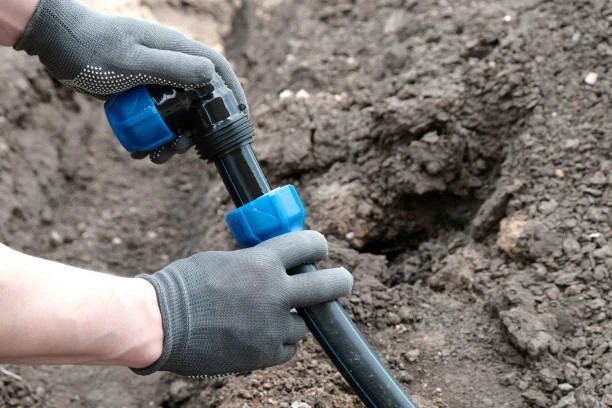
High-density polyethylene (HDPE) plumbing offers a combination of durability, flexibility, and environmental benefits that sets it apart from other plumbing materials. Among its many advantages, the recyclability of HDPE stands out as a key feature that supports sustainability and resource efficiency. Understanding the recyclability of HDPE plumbing helps in recognizing its role in creating a more sustainable construction industry.
Understanding HDPE as a Material
HDPE, a thermoplastic polymer made from petroleum, boasts a high strength-to-density ratio, making it both lightweight and durable. This material exhibits excellent resistance to chemicals, moisture, and impact, which contributes to its widespread use in various applications, including plumbing, packaging, and construction. However, one of HDPE’s most significant features lies in its recyclability.
The Process of Recycling HDPE Plumbing
Recycling HDPE plumbing involves several steps that transform old or discarded pipes into new, usable products. The process begins with the collection of HDPE materials from construction sites, old plumbing systems, or other sources. After collection, the materials undergo sorting to separate HDPE from other types of plastics and contaminants.
Following sorting, the HDPE pipes go through cleaning to remove any dirt, debris, or residues. This step ensures that the recycled material retains its quality and integrity. After cleaning, the HDPE pipes undergo shredding or grinding into small pellets or flakes. These pellets then undergo melting and reprocessing into new products, which can include new HDPE pipes, containers, or other plastic goods.
This recycling process not only conserves raw materials but also reduces the energy required to produce new HDPE products. By using recycled HDPE, manufacturers lower their environmental impact while maintaining the high quality and performance standards expected from HDPE plumbing.
Environmental Benefits of HDPE Recycling
Recycling HDPE plumbing contributes significantly to environmental sustainability. By diverting HDPE pipes from landfills and reintroducing them into the production cycle, the construction industry reduces the amount of plastic waste that accumulates in the environment. This reduction in plastic waste lessens the burden on landfills and minimizes the risk of environmental pollution.
Furthermore, the recycling of HDPE requires less energy compared to producing new HDPE from raw materials. This reduction in energy consumption translates to lower greenhouse gas emissions, which helps in the fight against climate change. The use of recycled HDPE in manufacturing processes also conserves natural resources, as less petroleum is needed to produce new HDPE products.
Economic Advantages of Recycling HDPE Plumbing
The recyclability of HDPE plumbing not only benefits the environment but also offers economic advantages. Recycling HDPE reduces the cost of raw materials, which can lower production costs for manufacturers. These savings often pass on to consumers, making HDPE products more affordable.
In addition, the recycling industry creates jobs and stimulates economic activity. From the collection and sorting of HDPE materials to the processing and manufacturing of new products, the recycling process supports a wide range of employment opportunities. This economic activity contributes to the growth of the green economy, promoting sustainable practices across various sectors.
HDPE Plumbing in the Circular Economy
The recyclability of HDPE plumbing aligns with the principles of the circular economy, which focuses on keeping materials in use for as long as possible. In a circular economy, products and materials continuously cycle through reuse, repair, and recycling, minimizing waste and conserving resources.
HDPE plumbing fits well within this framework due to its durability and ease of recycling. After serving its purpose in a plumbing system, HDPE can return to the production cycle, either as new pipes or other plastic products. This continuous cycle reduces the demand for virgin materials and supports a more sustainable approach to resource management.
Applications of Recycled HDPE
Recycled HDPE finds use in a variety of applications, further extending its value. In the construction industry, recycled HDPE can return to service as new plumbing pipes, drainage systems, or protective pipe liners. Its use in creating other plastic products, such as bottles, containers, and plastic lumber, demonstrates its versatility and functionality.
Beyond construction, recycled HDPE also serves in producing items like playground equipment, outdoor furniture, and automotive parts. These diverse applications highlight the material’s adaptability and the wide-ranging benefits of recycling HDPE.
Challenges and Solutions in HDPE Recycling
While the recyclability of HDPE plumbing offers many benefits, the recycling process does face certain challenges. Contamination of HDPE materials, either through mixing with other plastics or exposure to chemicals, can reduce the quality of the recycled product. Effective sorting and cleaning processes address these challenges, ensuring the integrity of recycled HDPE.
Another challenge lies in the availability of recycling facilities and infrastructure. In some regions, limited access to recycling programs may reduce the amount of HDPE that enters the recycling stream. Expanding recycling facilities and increasing awareness of HDPE recycling options can help overcome this barrier, encouraging more widespread recycling efforts.
The Role of Industry and Consumers in Promoting Recycling
Both industry professionals and consumers play a crucial role in promoting the recyclability of HDPE plumbing. For the industry, designing products with recyclability in mind enhances the overall sustainability of HDPE systems. Manufacturers can label products clearly, providing information on how to recycle them properly.
Consumers, on the other hand, contribute by choosing HDPE products and participating in recycling programs. By understanding the benefits of recycling HDPE plumbing and taking active steps to recycle old pipes, consumers support a more sustainable and circular economy.
Best HDPE Pipe Manufacturers
| Company Name | Headquarter/Location | Year Founded |
| Celanese Corporation | Irving, Texas, in the United States | 1921 |
| Dow | Midland, Michigan, in the United States | 1897 |
| JM Eagle | Livingston, New Jersey | 1982 |
| Cresline Plastic Pipe Co inc | Mechanicsburg, Pennsylvania, Council Bluffs, Iowa, Corsicana, Texas | 1949 |
| Gill Kenya | Nairobi, Kenya. | 1972 |
Conclusion
The recyclability of HDPE plumbing underscores its role as a sustainable and environmentally friendly choice for modern plumbing systems. By recycling HDPE, the construction industry conserves resources, reduces energy consumption, and minimizes waste, all while maintaining the material’s high performance standards. As the demand for sustainable practices continues to grow, HDPE plumbing stands out as a prime example of how recycling can benefit both the environment and the economy. Embracing HDPE recycling not only supports the circular economy but also contributes to a more sustainable future for all.
Contact
IFAN is a professional manufacturer with 30 years of experience, dedicated to producing high-quality plastic pipes, fittings, and valves. Our products include brass valves, PPR valves, as well as various pipes and fittings to meet different customer needs. Whether you need plumbing and drainage pipes or valve products, IFAN can provide a diverse range of high-quality, cost-effective products to support your projects. Below is our contact information.
We will reply your email or fax within 24 hours.
You can call us at any time if there is any question on our production.
For more information,pls visit our webside https://pipefittingpro.com/
Pls Mailto: [email protected]
Whatsapp: + 86 19857948982









Recent Comments