
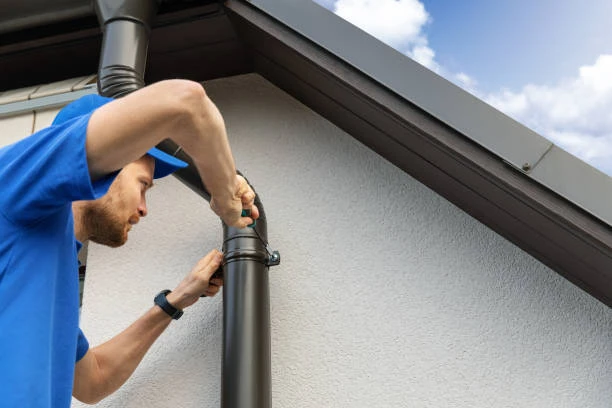
PPR fitting materials ensure durable, reliable connections in quick-connect plumbing systems, making them essential for assembling effective repair kits. This guide explores recommended quick repair kits for PPR quick-connect pipes, focusing on the role of high-quality PPR fitting materials. You’ll find answers to common questions, a buying guide, installation tips for fast repairs, and a comparison of PPR with other materials. By choosing the right fittings and tools, you can address leaks or damages efficiently. Whether you’re a homeowner fixing a pipe or a professional managing a commercial system, this article helps you select and use PPR repair kits for quick, lasting solutions.
Common Questions About PPR Fitting Materials
1. What Are PPR Fitting Materials?
PPR fitting materials are components made from polypropylene random copolymer, used to create connectors like elbows, tees, and couplings for quick-connect PPR piping systems. They’re durable and ideal for repair kits.
2. Why Are PPR Fitting Materials Ideal for Quick Repairs?
Their tool-free, quick-connect design allows fast replacements or fixes, minimizing downtime while ensuring secure, leak-free connections in plumbing systems.
3. Can PPR Fitting Materials Handle Both Hot and Cold Water Repairs?
Yes, they withstand temperatures up to 95°C (203°F), making them versatile for repairing hot and cold water lines in various systems.
4. What Causes Failures in PPR Quick-Connect Repairs?
Failures often stem from improper pipe cuts, mismatched fittings, or low-quality materials. Using reliable PPR fitting materials and proper techniques prevents issues.
5. How Long Do Repairs Using PPR Fitting Materials Last?
With high-quality fittings and correct installation, repairs last over It depends on the actual situation.. Their corrosion-resistant material ensures long-term reliability.
What Is a PPR Piping System?
A PPR piping system uses polypropylene random copolymer, a lightweight and durable thermoplastic, to create pipes and fittings for fluid transport. PPR systems excel in corrosion resistance, thermal stability up to 95°C, and ease of installation, making them ideal for quick repairs. PPR fitting materials, such as couplings, tees, and end caps, enable fast, secure connections without welding or glue, perfect for addressing leaks or damages. Their smooth inner surfaces reduce friction, ensuring efficient water flow and minimizing clogs, even after repairs. PPR is eco-friendly, recyclable, and energy-efficient to produce, offering a sustainable alternative to metal pipes. These qualities make PPR fitting materials a top choice for reliable repair kits.
Common Uses and Industry Applications
PPR fitting materials are versatile, supporting quick repairs across various sectors. Here’s where they’re commonly used:
- Residential Plumbing: Homeowners use PPR fitting materials in repair kits to fix leaks in water lines for kitchens, bathrooms, or heating systems, ensuring minimal disruption.
- Commercial Maintenance: Hotels, offices, and retail spaces rely on PPR for rapid repairs in water or HVAC systems, with fittings enabling quick fixes in busy environments.
- Industrial Facilities: Factories use PPR fittings for fluid transport repairs, leveraging their quick-connect design to minimize downtime in production lines.
- Agricultural Irrigation: Farmers use PPR repair kits to fix irrigation systems, with fittings ensuring fast, secure connections for water delivery.
- Public Infrastructure: Municipalities use PPR fittings for quick repairs in public water systems, such as parks or community centers, maintaining reliable service.
Their speed and reliability make PPR fitting materials a top choice for quick repair kits in diverse applications.
Buying Guide for PPR Fitting Materials
Choosing high-quality PPR fitting materials ensures effective repairs and system reliability. Consider these factors:
- Material Quality: Select fittings made from virgin polypropylene for durability and corrosion resistance. Low-grade materials may fail, leading to recurring leaks.
- Color Consistency: PPR fittings come in green, white, or gray. While color doesn’t affect performance, green is common for water systems, ensuring a cohesive look.
- Size Compatibility: Match the fitting’s diameter to your pipes (e.g., 20mm, 25mm, or 32mm). Proper sizing ensures secure, leak-free repairs.
- Certifications: Look for fittings meeting standards like ISO 15874 or DIN 8077/8078. These certifications guarantee quality and reliability for repair kits.
- Brand Reliability: Choose trusted brands like IFAN, with 30 years of experience in producing PPR fittings. Reputable manufacturers ensure durable products.
Buying from reliable suppliers prevents issues with counterfeit fittings that could compromise repair efforts.
Installation Tips for Quick Repairs
To create effective repair kits using PPR fitting materials for quick-connect systems, follow these installation tips:
- Assemble a Comprehensive Repair Kit: Include PPR couplings, tees, end caps, a pipe cutter, deburring tool, and a pressure gauge in your kit for versatile repairs.
- Cut Pipes Precisely: Use a sharp pipe cutter for clean, straight cuts and smooth edges with a deburring tool. Precise cuts ensure tight, leak-free seals during repairs.
- Inspect Fittings Before Use: Check O-rings and locking mechanisms in PPR fittings for damage or debris. Replace faulty components to ensure reliable repairs.
- Secure Connections Firmly: Push pipes fully into fittings until they click or lock. Verify connections to prevent leaks under pressure after repairs.
- Test Repairs Thoroughly: After fixing a leak, run water through the system at operating pressure (4–8 bar for PPR) and use a pressure gauge to confirm no leaks or pressure drops.
These tips, combined with the manufacturer’s guidelines, ensure PPR fitting materials deliver fast, durable repairs.
PPR vs. Other Piping Materials
To understand why PPR fitting materials excel in quick repairs, here’s a comparison with other piping materials:
| Feature | PPR | Copper | PVC | CPVC |
|---|---|---|---|---|
| Repair Speed | Fast (quick-connect) | Slow (soldering) | Moderate (glue) | Moderate (glue) |
| Corrosion Resistance | Excellent; no rust | Prone to corrosion | Good; no rust | Good; no rust |
| Temperature Tolerance | Up to 95°C | Up to 200°C | Up to 60°C | Up to 82°C |
| Durability | 50+ years | 50+ years | 25–40 years | 25–40 years |
| Cost | Affordable | Expensive | Very affordable | Affordable |
| Eco-Friendliness | Recyclable, low energy | Recyclable, high energy | Non-recyclable | Limited recyclability |
| Weight | Lightweight | Heavy | Lightweight | Lightweight |
PPR’s quick-connect design enables faster repairs than copper’s labor-intensive soldering or PVC/CPVC’s gluing. PPR matches copper’s durability while being more affordable and eco-friendly, making it ideal for repair kits in various plumbing systems.
Conclusion
PPR fitting materials provide a reliable, quick-connect solution for assembling repair kits, enabling fast fixes for leaks or damages in plumbing systems. By including essential tools, cutting pipes precisely, and testing repairs thoroughly, you can ensure lasting performance. Their versatility spans residential, commercial, and industrial applications, making them a top choice for efficient repairs. Compared to copper, PVC, or CPVC, PPR offers unmatched repair speed, affordability, and sustainability. For your next plumbing repair, trust PPR fitting materials and these strategies to deliver quick, durable solutions.
Connect
IFAN is a professional manufacturer with 30 years of experience, dedicated to producing high-quality plastic pipes, fittings, and valves. Our products include brass valves, PPR valves, as well as various pipes and fittings to meet different customer needs. Whether you need plumbing and drainage pipes or valve products. IFAN can provide a diverse range of high-quality, cost-effective products to support your projects. Below is our contact information.
We will reply your email or fax within 24 hours.
You can call us at any time if there is any question on our production.
Pls Mailto:[email protected]



Recent Comments