
Introduction
When working with plumbing, irrigation, or industrial systems, you will often encounter terms like PVC tubing and PVC hose. At first glance, they may seem similar, but they serve different purposes and have distinct features. Understanding these differences helps you select the right product for your project.
This article will explain what PVC tubing and PVC hose are, highlight their differences, and guide you on when to use each type. Whether you’re a DIYer or a professional, this guide clarifies these commonly confused materials.
What Is PVC Tubing?
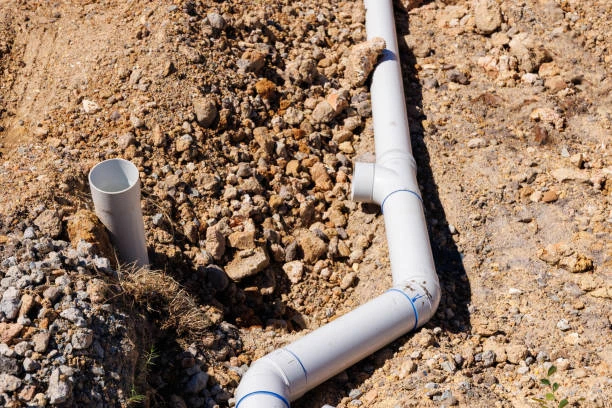
PVC tubing is a rigid or semi-rigid plastic pipe made from polyvinyl chloride (PVC). It usually has a smooth, hard surface and comes in precise sizes. Tubing is often used in applications that require consistent shape and strength, such as:
- Water supply lines
- Laboratory and medical equipment
- Aquarium systems
- Industrial fluid transport
PVC tubing provides excellent chemical resistance and durability. Its rigid nature keeps its shape under pressure, making it ideal for systems where the flow must remain steady and the tubing must hold its form.
What Is PVC Hose?
PVC hose is a flexible, bendable tube also made from polyvinyl chloride. Unlike tubing, hoses are designed to be pliable and easy to move. They often have reinforcement layers inside, such as textile or wire, which provide strength while maintaining flexibility.
PVC hoses are commonly used for:
- Garden watering
- Air and gas transport
- Fuel and chemical transfer
- Drainage and sewage
Due to their flexibility, PVC hoses are perfect for applications requiring movement, bending, or temporary connections.
Key Differences Between PVC Tubing and PVC Hose
To understand which one fits your needs, let’s compare PVC tubing and hose based on several important factors.
1. Flexibility
- PVC Tubing: Usually rigid or semi-rigid. It holds its shape and resists bending.
- PVC Hose: Very flexible and can bend easily without kinking.
2. Strength and Durability
- PVC Tubing: Stronger under pressure because of its rigid walls.
- PVC Hose: Flexible but reinforced to handle pressure; however, generally less strong than tubing.
3. Applications
- PVC Tubing: Ideal for fixed installations where shape stability matters.
- PVC Hose: Best for applications requiring bending or movement.
4. Wall Thickness
- PVC Tubing: Typically has thicker walls, contributing to its rigidity.
- PVC Hose: Walls may be thinner but often reinforced with fibers or wire.
5. Appearance
- PVC Tubing: Clear or opaque, smooth surface.
- PVC Hose: Often transparent or colored, sometimes ribbed or textured.
When to Use PVC Tubing
Use PVC tubing when your project demands:
- Rigid structure: The tubing should not collapse or bend easily.
- Precision: Exact diameter and shape are needed for connectors or fittings.
- Chemical resistance: Tubing is often used in labs or industries where chemicals flow.
- Permanent installation: Tubing works well in fixed plumbing or industrial systems.
When to Use PVC Hose
PVC hose is the right choice when:
- Flexibility is needed: For watering plants, transferring air, or connecting moving parts.
- Temporary setups: Easily repositioned or replaced hoses work well.
- Pressure handling: Reinforced hoses can handle moderate pressure in irrigation or fuel transport.
- Cost-effectiveness: Hoses are generally less expensive for flexible applications.
How to Identify PVC Tubing and Hose
Sometimes, the difference is not obvious. Here are tips to distinguish:
- Feel the material: Tubing is stiff, hose is soft and bendable.
- Check wall thickness: Tubing feels thicker and harder.
- Look for reinforcement: Hoses often show fiber or wire inside.
- Assess purpose: Ask yourself if flexibility or rigidity is more important.
Installation Tips
Regardless of your choice, proper installation ensures long-lasting performance.
- Cut tubing or hose with a sharp blade for clean edges.
- Use correct fittings sized for tubing or hose diameter.
- For tubing, solvent cement creates a permanent seal.
- For hoses, clamps secure the connections and prevent leaks.
- Avoid sharp bends in hoses to prevent kinking.
- Follow manufacturer’s pressure and temperature limits.
Conclusion
In summary, PVC tubing and PVC hose serve different roles despite being made from the same base material. Tubing offers rigidity, precise dimensions, and chemical resistance, making it perfect for fixed, controlled systems. Hose provides flexibility, ease of movement, and convenience for temporary or flexible connections.
Choosing the right one depends on your project requirements—consider flexibility, strength, application, and installation needs. With this understanding, you can make confident decisions for plumbing, irrigation, or industrial tasks.
IFAN international standard
IFAN products adhere to leading international standards, including ASTM D2846 for CPVC piping, DIN 8079/8080 for PP-R pipes, and ASTM F441/F441M SCH80 for PVC pressure systems. Our solutions also meet GB/T 18993 (China), AS/NZS 1477 (Australia/New Zealand), CSA B137.6 (Canada), NSF/ANSI 14 (U.S. safety), TIS 17-2532/1131-2535 (Thailand), and other DIN specifications, ensuring global reliability for plumbing, industrial, and drinking water applications. Trust IFAN for certified quality across markets.
Contact
IFAN is a professional manufacturer with 30 years of experience, dedicated to producing high-quality plastic pipes, fittings, and valves. Our products include brass valves, PPR valves, as well as various pipes and fittings to meet different customer needs. Whether you need plumbing and drainage pipes or valve products. IFAN can provide a diverse range of high-quality, cost-effective products to support your projects. Below is our contact information.
We will reply your email or fax within 24 hours.
You can call us at any time if there is any question on our production.
Pls Mailto:[email protected]



Recent Comments