
Introduction
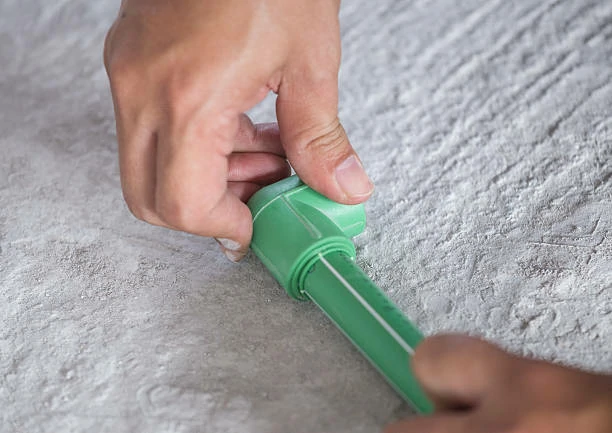
A PPR tube is one of the most widely used piping materials in modern plumbing systems. It is recognized for its safety, reliability, and durability in transporting hot and cold water. Unlike traditional materials such as iron or PVC, PPR (Polypropylene Random Copolymer) offers excellent resistance to temperature, pressure, and corrosion. These qualities make it suitable not only for residential water supply but also for commercial and industrial applications. Choosing PPR tubes ensures a safe, long-lasting plumbing system with minimal maintenance. This article explains the definition, characteristics, applications, buying guide, comparisons, and reasons why PPR tubes are considered one of the best options for plumbing solutions.
Frequently Asked Questions (FAQ)
1. What is a PPR tube?
A PPR tube is a type of plastic pipe made from polypropylene random copolymer, designed for carrying hot and cold water in plumbing systems.
2. Is PPR safe for drinking water?
Yes, PPR is safe and hygienic. It does not release harmful chemicals, making it suitable for potable water supply.
3. Can PPR tubes handle hot water?
PPR pipes have excellent heat resistance and can safely carry water at temperatures up to 95°C, making them suitable for both domestic hot water and heating systems.
4. How long do PPR tubes last?
With proper installation, PPR tubes can last more than It depends on the actual situation. under normal operating conditions.
5. Are PPR tubes environmentally friendly?
Yes, PPR tubes are recyclable and energy-efficient to produce, making them an eco-friendly choice compared to other piping materials.
Definition and Key Features of PPR Tube
A PPR tube is made from polypropylene random copolymer, a type of plastic that combines flexibility, strength, and resistance to chemical corrosion. It is produced using advanced extrusion technology to ensure smooth inner and outer surfaces, which help reduce friction loss and improve water flow efficiency.
The key features of PPR tubes include high temperature and pressure resistance, excellent chemical stability, and non-toxic properties. Unlike metal pipes, they do not corrode, rust, or affect the taste of water. Their lightweight design makes them easy to install, while their durability ensures long-term use without frequent replacement.
In addition, PPR tubes are highly energy-efficient in production and operation. They have low thermal conductivity, which helps in maintaining water temperature, especially in heating and hot water supply systems. These features make PPR tubes a reliable option for modern plumbing networks.
Common Uses and Industries
PPR tubes are used in a wide variety of applications due to their versatility. In residential buildings, they are commonly installed in water supply lines for kitchens, bathrooms, and heating systems. Their ability to withstand high temperatures makes them perfect for domestic hot water systems.
In commercial settings, PPR tubes are used in hotels, hospitals, office buildings, and schools. These environments require reliable, hygienic, and long-lasting water supply systems, which PPR tubes can provide.
In industrial applications, PPR tubes are used for transporting chemicals, compressed air, and even food-grade liquids. Their chemical resistance and non-toxic properties make them suitable for sensitive industries such as pharmaceuticals and food processing.
Additionally, PPR tubes are widely used in agriculture for irrigation systems. Their durability and resistance to outdoor weather conditions ensure efficient water delivery in farming operations.
Buying Guide for PPR Tube
When choosing PPR tubes for plumbing systems, several factors should be considered to ensure performance and reliability.
First, check the material quality. High-grade PPR ensures better durability and resistance to pressure and temperature. The tube should be made from 100% new raw materials rather than recycled plastics, which may compromise strength.
Second, look at the color. Common PPR tube colors include green, white, and gray. While the color does not affect performance, it often indicates manufacturer branding and quality standards.
Third, certifications are critical. PPR tubes that meet ISO, DIN, or ASTM standards guarantee safety and compliance with international requirements. Certified products are more reliable and suitable for potable water supply.
Fourth, consider the wall thickness and pressure rating. PPR tubes are available in different series (S2.5, S3.2, S4, etc.) that correspond to pressure and temperature capacities. Selecting the correct series ensures the pipe can handle your system’s conditions.
Finally, check the fittings and installation compatibility. Using the correct fittings ensures leak-free joints and long-lasting performance. Choosing a trusted brand with strong after-sales support is also important for long-term satisfaction.
Safe and Reliable Plumbing with PPR Tubes
The greatest advantage of using PPR tubes is their ability to provide safe and reliable plumbing solutions. Since they are made from non-toxic material, they do not affect the quality of drinking water. This makes them a healthier alternative to materials that may release harmful substances over time.
Reliability comes from their long service life, which can exceed It depends on the actual situation. when properly installed. They resist scale build-up and corrosion, ensuring consistent water flow and reducing maintenance costs. Their high resistance to pressure and temperature changes also makes them ideal for both hot and cold water systems.
Furthermore, PPR tubes are easy to install. With heat fusion technology, joints become leak-proof and stronger than the pipe itself. This ensures long-term system integrity, whether used in homes, commercial buildings, or industrial facilities. For anyone seeking a combination of safety, durability, and cost-effectiveness, PPR tubes are an excellent choice.
PPR Tube vs Other Materials
| Feature | PPR Tube | PVC Pipe | Copper Pipe | Galvanized Iron Pipe |
|---|---|---|---|---|
| Durability | Very high, lasts It depends on the actual situation. or more | Moderate, brittle in cold conditions | High, resists heat and pressure | Moderate, prone to rust |
| Safety for Drinking Water | Safe, non-toxic, hygienic | Limited, may release chemicals | Safe but may corrode slightly over time | Not ideal, rust affects water quality |
| Heat Resistance | Excellent, up to 95°C | Poor, not suitable for hot water | Excellent, handles high temperatures | Fair, affected by heat |
| Installation Ease | Easy with heat fusion, lightweight | Easy, but weaker joints | Difficult, requires welding or solder | Heavy, labor-intensive |
| Cost-effectiveness | Affordable with long service life | Very cheap but short lifespan | Expensive, high initial investment | Moderate cost but frequent maintenance |
| Corrosion Resistance | Excellent, no scaling or rust | Good, but degrades with chemicals | Moderate, prone to oxidation | Poor, rusts easily |
This table shows why PPR tubes have become the preferred choice in modern plumbing. They offer a balance of safety, durability, and affordability that outperforms traditional materials.
Conclusion
PPR tubes have become one of the most trusted solutions for safe and reliable plumbing systems. They combine non-toxic materials, high durability, and excellent resistance to temperature and pressure. From homes to hotels, factories to farms, their versatility ensures they meet the demands of different industries.
By selecting high-quality, certified PPR tubes, buyers can ensure long service life, safe water supply, and reduced maintenance costs. Compared with alternatives such as PVC, copper, and galvanized iron, PPR tubes stand out as a cost-effective and hygienic choice. For anyone seeking long-lasting plumbing solutions, PPR tubes represent the modern standard in safety, efficiency, and reliability.
IFAN’s international standards
IFAN adheres to a comprehensive set of international and national standards to ensure the highest quality and reliability of its products. These standards include ISO 15874 Series, EN 15874 Series, ASTM F2389, DIN 8077/8078, GB/T 18742 Series, NBR 15884, and others. By following these rigorous benchmarks, IFAN guarantees durable, safe, and efficient piping and fitting solutions for various applications.
Contact
IFAN is a professional manufacturer with 30 years of experience, dedicated to producing high-quality plastic pipes, fittings, and valves. Our products include brass valves, PPR valves, as well as various pipes and fittings to meet different customer needs. Whether you need plumbing and drainage pipes or valve products. IFAN can provide a diverse range of high-quality, cost-effective products to support your projects. Below is our contact information.
We will reply your email or fax within 24 hours.
You can call us at any time if there is any question on our production.
Pls Mailto:[email protected]








Recent Comments